Biocoop Matcha: choosing organic tea in a specialist store

Step into a Biocoop store and you know you'll find products that are good for you and kind to the planet. Matcha is no exception. This Japanese green tea powder, prized for its depth of flavour and natural properties, is something Biocoop takes seriously. Here's why choosing your matcha there is a genuine commitment to authenticity and quality.
Key takeaways
- Certified organic: All Biocoop matchas are grown using organic farming methods
- Verified origins: Sourced directly from Japan, including prestigious terroirs such as Uji
- A range for every use: From culinary-grade to premium ceremonial matcha
- Fair pricing: A commitment to keeping organic products genuinely accessible
- Expert guidance: Staff trained to help you find the right match for your needs
What sets Biocoop matcha apart?
At Biocoop, matcha is far more than a product on a shelf. It's the result of careful selection guided by the cooperative's core values: organic farming, fair trade and uncompromising quality.
Every matcha they carry comes exclusively from Japanese producers with certified organic status, primarily from the Uji region, the historic heartland of this prized powder. Uji benefits from an ideal climate and a craft tradition passed down through generations.
Unlike industrial matchas found elsewhere, Biocoop's selection preserves the full nutritional depth of the leaf. The tea plants are shade-grown for several weeks before harvest, a process that boosts chlorophyll content and concentrations of L-theanine, the amino acid behind matcha's famously calm, focused energy.
The Biocoop matcha range: from kitchen to ceremony
Biocoop offers several types of matcha to suit different uses and budgets. Each has its own character and its ideal moment.
Culinary matcha: your kitchen companion
A great starting point and a natural fit for cooking, Biocoop's culinary matcha offers excellent value. Its slightly bolder flavour and approachable price make it the ideal ingredient for baking, smoothies and homemade matcha lattes.
It pairs beautifully with white chocolate, vanilla or coconut, and works equally well in cakes, macarons, ice cream or even a simple crêpe batter for a touch of the unexpected.
Ceremonial matcha: purity at its finest
For those who want the full experience, Biocoop stocks exceptional ceremonial-grade matchas. These ultra-fine powders, in vivid jade green, reveal complex aromas and a remarkable natural sweetness.
Prepared the traditional Japanese way with a bamboo whisk (chasen), they deliver a tasting experience that is truly its own. The velvety texture and delicate, bitter-free flavour more than justify the higher price.
How to choose your matcha at Biocoop
The right matcha depends on how you plan to use it. A few pointers to help you choose:
For cooking and drinks: Go for a culinary-grade matcha. It will bring colour and flavour to your recipes without stretching your budget.
For drinking as it is: Look to a ceremonial matcha. Its finesse and aromatic depth are best appreciated on their own, with nothing to distract from the flavour.
If you're just starting out: A mid-range matcha is a good first step. It lets you get a feel for this distinctive flavour before committing to a premium option.
Don't hesitate to ask the Biocoop team for advice. They know their products well and are happy to point you in the right direction based on your taste and budget.
The benefits of Biocoop organic matcha
Choosing an organic matcha at Biocoop means getting the full benefit of everything this green powder has to offer. It's packed with antioxidants, particularly catechins, which help protect cells from oxidative stress.
The L-theanine in matcha supports both focus and calm, producing a state of relaxed alertness that many people find uniquely valuable. Unlike coffee, the energy matcha provides builds gradually and lasts, with no sharp peak or sudden drop.
Biocoop's organic matcha is also a natural source of vitamins A, C and E, along with minerals including potassium and iron. Enjoyed regularly, it can help support the immune system and contribute to a healthy metabolism.
Preparing your Biocoop matcha like a tea master
Preparing matcha is an art that rewards a little practice, and the results are well worth the effort. Here is the traditional method:
Start by sifting your matcha powder to remove any clumps. Pour 70 ml of hot water (70 to 80°C, never boiling) over 1 to 2 grams of matcha. Whisk briskly in an M-shaped motion with your chasen until you have a fine, even froth.
For a matcha latte, add warm plant-based milk and a touch of natural sweetener to taste. Oat and almond milk both pair particularly well with matcha's distinctive flavour.
Where to find Biocoop matcha near you
With over 700 stores across France, Biocoop makes organic matcha easy to find wherever you are. As each store is independently run, the selection may vary slightly, but you'll always find at least one quality matcha option on the shelves.
Some Biocoop stores even host tastings or workshops where you can learn to prepare matcha the traditional way, a perfect introduction to this Japanese treasure in the best possible setting.
For those short on time, online ordering is also available through many stores, with in-store collection or home delivery depending on your area.
Frequently asked questions about Biocoop matcha
- It genuinely is. Organic certification rules out pesticides and synthetic fertilisers. On top of that, Biocoop selects its suppliers against strict standards for both quality and ethics, and that comes through in the final product.
- Technically yes, but it's a little like cooking with a fine wine. Ceremonial matcha is made to be savoured on its own. For the kitchen, culinary-grade matcha will serve you just as well and is much better value.
- Keep it cool, away from light and moisture. Once opened, use it within 6 months to enjoy it at its aromatic best. Some people store it in an airtight container in the fridge for extra freshness.
- Matcha does contain caffeine, though less than coffee. In small amounts and on occasion, it can be fine for children, particularly in sweet preparations such as cakes or ice cream.
- Culinary matcha typically costs between €15 and €25 per 50g, while ceremonial grade can range from €30 to €60 for the same quantity. The difference reflects the quality of the leaves and the more meticulous production process involved.
Tempted to try it?
Our selection related to this article, loose leaf and organic.
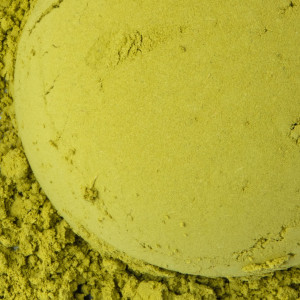
Matcha Aura Organic
Matcha Aura Organic is a finely milled green tea powder crafted for the perfect organic matcha latte.
€14.90Discover
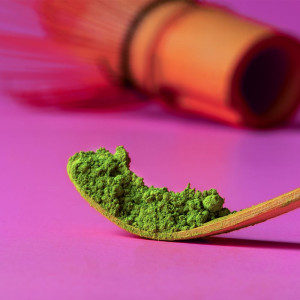
Shizuku Organic Ceremonial Japanese Matcha
Shizuku organic ceremonial Japanese matcha is a vibrant green powder, finely stone-ground, with silky umami notes and a delicat…
€16.90Discover
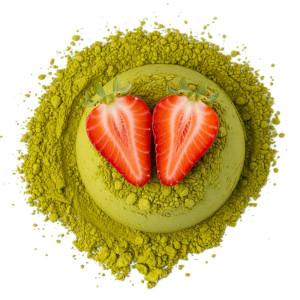
Strawberry Matcha Latte
Strawberry matcha latte, also loved as a strawberry matcha or matcha with strawberry, brings together the gentle vegetal depth …
€18.90Discover