Kumiko Matcha: our review of this artisan brand

Kumiko Matcha: our review of this artisan brand
Updated 25/02/2026
When it comes to organic premium matcha, Kumiko Matcha is one of those brands that naturally sparks curiosity. This French company, presented as founded in 2013 by Val, set out to share the authentic world of Japanese matcha. But what does this artisan brand actually deliver? Here is our analysis, keeping things factual and genuinely useful for anyone trying to find the right matcha.
Key takeaways
- A French brand specialising in organic premium matcha since 2013 (according to the brand)
- Matcha sourced directly from Japan, including the island of Kyushu (based on information provided by the brand)
- A range built around an artisan approach: small batches, careful selection, traceability
- Prices positioned at the premium end, justified by origin and sourcing practices
- A strong commitment to authenticity and traditional methods
The story behind Kumiko Matcha
Val, the founder of Kumiko Matcha, is said to have discovered real matcha during a professional trip to China, before turning to Japan to source artisan producers. The name "Kumiko" is generally presented as evoking Japanese beauty and craftsmanship.
This artisan approach is central to Kumiko's identity: rather than chasing volume, the brand focuses on small harvests, traditional methods and closer relationships with Japanese growers. On paper, it is a coherent position for anyone in search of a genuine premium matcha.
Assessing organic premium matcha: what to look for
The brand's flagship product, its organic premium matcha, is typically described as having an intense colour and a well-balanced aromatic profile. When evaluating any premium matcha, these are the key criteria:
- Colour: bright green or jade (often a sign of freshness and quality)
- Texture: very fine powder (careful milling)
- Aroma: fresh, vegetal, with no "hay-like" notes
- Taste: a balance of umami, sweetness and gentle bitterness
- Foam: ability to produce a fine, even froth when whisked with a chasen
In a traditional preparation, a premium matcha is best enjoyed with water around 70 to 80°C. With a quality matcha, expect a smooth, velvety texture rather than anything grainy.
The Saemidori range: a step above?
For more discerning enthusiasts, Kumiko Matcha offers a Saemidori range. Saemidori is a Japanese cultivar known for producing particularly smooth, often deeply green matchas, with restrained bitterness and a refined aromatic profile.
The price is generally higher, which can be explained by the relative scarcity of certain lots and a higher level of selection. For a first experience, starting with the organic premium is usually the most straightforward approach, then moving on to Saemidori if you are looking for greater refinement and the budget allows.
Quality and authenticity: the strengths
Several elements set Kumiko Matcha apart:
Traceability: the brand highlights its ability to link batches to specific producers and harvest areas. If this matters to you, check the product page for available details such as region, batch number and harvest date.
Freshness: the small-batch approach and regular stock rotation can be a genuine advantage for a product as sensitive to oxidation as matcha. Packaging also plays a significant role (tin or pouch, light and air protection).
Organic certification: the brand presents its matchas as organically certified. As always, make sure the certification applies to the specific product you are buying by checking the label or product page.
Value for money: an honest look
To be straightforward: Kumiko Matcha does not compete in the entry-level category. With prices often ranging from around €35 to €50 depending on the format and range, the brand is firmly in premium territory.
To assess whether the price makes sense, the simplest approach is to consider:
- price per gram
- price per serving (usually 1 to 2 g, depending on usucha or latte preparation)
- perceived quality (taste, smoothness, foam, consistency)
At this price point, the real test is consistency: batch after batch, does the quality hold up? That is what separates a genuinely premium brand from one that is simply marketed as such.
Who is this brand for?
Kumiko Matcha is aimed at informed enthusiasts and curious newcomers willing to invest in quality. If you are new to matcha, this brand can be a good introduction to a more authentic experience, as long as you are comfortable with the price of entry.
Matcha latte lovers will often appreciate the fineness, which pairs well with plant-based milk. The versatility also makes it suitable for both pure tasting and baking, though a dedicated culinary-grade matcha is usually more economical for everyday cooking use.
If you are looking for an everyday matcha at a lower price point, other more accessible options may be a better fit.
Looking for an alternative to Kumiko Matcha?
When comparing premium brands, keep a simple checklist in mind: origin, intended use (ceremonial, latte or culinary), transparency (clear information, certifications, lab results where available) and price per gram.
At Thés & Traditions, we offer a selection of Japanese matcha suited to different uses (ceremonial and latte), with fast shipping from France.
Our final verdict
Kumiko Matcha occupies a clear artisan premium position: careful selection, traceability, Japan-sourced batches and a quality-first ethos. If the key criteria (clear origin, certification, freshness and consistency) are well documented on the product pages, this is a brand that can genuinely suit those looking to explore a more authentic matcha.
Our recommendation: start with the organic premium matcha to get a feel for the brand's approach, then explore the Saemidori range if you are after greater refinement. In all cases, prepare your matcha with water that is not too hot (70 to 80°C) and a proper whisk: technique matters as much as the powder itself.
Frequently asked questions about Kumiko Matcha
The difference usually comes down to origin, freshness, fineness of the grind and leaf selection. Supermarket matchas tend to be duller in colour, more bitter and less refined. A premium matcha like Kumiko aims for a smoother, greener, more frothy and more consistent result.
Keep it tightly sealed, away from light, heat and humidity. The fridge can work if you avoid condensation: take it out a few minutes before use and reseal it promptly. The essentials are an airtight container and a stable environment.
Yes. A premium matcha will bring a more refined flavour and a better colour to baked goods. That said, for regular culinary use, a dedicated culinary-grade matcha (where available) is usually more economical.
Often, yes: a premium matcha tends to have a more controlled bitterness than a lower-grade one. If you are just starting out, try it as a latte first (oat milk works well), then move on to a traditional bowl preparation.
Follow the best-before date on the packaging. In practice, matcha is at its best when fresh: even unopened, its aromas fade over time. For the best experience, use it relatively soon after purchase.
Note: this article is written for informational purposes only and reflects an independent perspective. Details such as composition, certifications, origin, availability and pricing are given as a guide and may change. All brand names mentioned remain the property of their respective owners. Certain information is presented as "according to the brand" where it originates from the brand's own communications.
To prepare your bowl, browse our matcha shop, from ceremonial to latte.
Tempted to try it?
Our selection related to this article, loose leaf and organic.
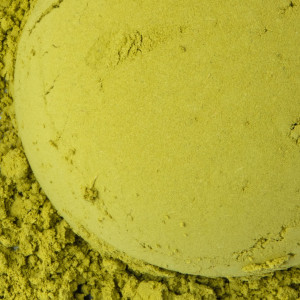
Matcha Aura Organic
Matcha Aura Organic is a finely milled green tea powder crafted for the perfect organic matcha latte.
€14.90Discover
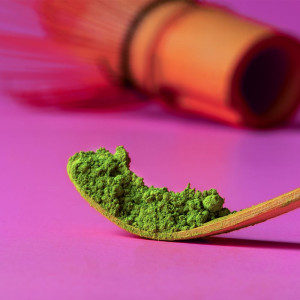
Shizuku Organic Ceremonial Japanese Matcha
Shizuku organic ceremonial Japanese matcha is a vibrant green powder, finely stone-ground, with silky umami notes and a delicat…
€16.90Discover
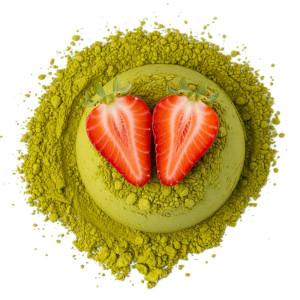
Strawberry Matcha Latte
Strawberry matcha latte, also loved as a strawberry matcha or matcha with strawberry, brings together the gentle vegetal depth …
€18.90Discover