Jasmine Tea: Buying Guide, Benefits and Pairings
With its captivating fragrance and a subtle balance between fresh vegetal notes and soft florals, jasmine tea has enchanted drinkers for centuries. Born in China more than a thousand years ago, this scented tea remains one of the most beloved in the world. Yet with so many brands and quality levels on the market, how do you choose the right one? This buying guide walks you through the varieties of jasmine tea, its benefits, the ideal brewing method and our selection of the finest Thés & Traditions references.
Jasmine Tea: A Thousand-Year-Old Chinese Tradition
Jasmine tea was born in Fujian province, China, during the Song dynasty (960–1279). At the time, wild jasmine (jasminum officinale) growing in the humid mountains of the south would naturally scent nearby stored tea leaves. Tea masters quickly recognised the value of this pairing and developed a traditional method of making jasmine tea that has barely changed in eight centuries.
How Jasmine Scenting Works
The green tea base is harvested in spring, then stored until summer. At the height of jasmine season (July–August), the jasmine blossoms are picked at dawn while still closed. They are layered alternately with the tea leaves in bamboo baskets. Overnight, the flowers open and release their essential oils, which infuse the tea. The process is repeated 3 to 9 times depending on the desired quality level. The more cycles, the more intense and refined the jasmine fragrance.
A note worth remembering: a genuinely high-quality jasmine tea contains NO dried flowers in the final blend. The flowers are used solely for scenting and are then removed. If you see a lot of jasmine flowers in your tea, it is often a sign of a rapid industrial scenting process that compensates for a lack of proper maceration time.
Jasmine Tea Varieties
Discover our full Jasmine Tea collection →

Jasmine Green Tea (the Classic)
Jasmine green tea is the most widely found variety. The green tea base is typically a gentle Chinese-style Sencha that marries naturally with the floral note. It is the ideal introduction for newcomers: easy to brew, smooth on the palate, with no harsh bitterness.
Jasmine Pearls (Yin Hao)
Jasmine pearls, also known as yin hao or Dragon Pearls, are the most precious form. Young green tea shoots are hand-rolled into small pearls the size of a coffee bean, then scented with jasmine. A single spoonful is enough for two teapots, as the leaves unfurl slowly during steeping. Our Jasmine Pearl offers this exceptional experience. See our Jasmine White Tea Dragon Pearls.
Jasmine Black Tea (Rare and Refined)
Jasmine black tea is still a rarity outside specialist shops. Its full-bodied tea base balances the floral softness, producing a more structured cup, ideal for mid-morning. An original variety for those who like to venture off the beaten path.
The Benefits of Jasmine Tea

The benefits of jasmine tea combine those of green tea and of jasmine itself, which is what makes it appreciated as much for its flavour as for its virtues.
The green tea base contributes powerful polyphenols (catechins, EGCG) recognised for their antioxidant action and support for cardiovascular health. Regular consumption, as part of a balanced diet, is associated with improved heart health. Jasmine, meanwhile, contains volatile compounds that act on the nervous system: it is a well-recognised natural relaxant that encourages relaxation and subtly lifts mood.
Several studies published on PubMed suggest that the combination of green tea and jasmine has measurable positive effects on perceived stress reduction. It is not a medicine, but a sensory ritual that contributes to overall wellbeing.
How to Choose a Good Jasmine Tea
Faced with a wealth of options, here are 4 key criteria to guide your choice.
- Form: whole leaf (best), broken leaf (acceptable), pearls (premium). Pyramid tea bags with organic jasmine are also a reasonable option if the tea inside is whole leaf.
- Origin: look for Fujian province in China, the historic home of jasmine tea.
- Certification: an organic label guarantees the absence of pesticides, a key consideration for tea lovers who drink it daily.
- Scenting method: natural maceration (a genuine, soft and lasting fragrance) rather than industrial spraying with added essential oil (a dry, cloying scent that fades after a few infusions).
A good quality jasmine can be recognised by its soft, deep fragrance, which carries through 2 to 3 infusions without fading. It should never smell soapy or synthetic.
How to Brew Jasmine Tea
Brewing jasmine tea requires little equipment, but a few details about water temperature and steeping time make all the difference.
Use 1 teaspoon of tea (about 2 g) per 200 ml of hot water. The ideal temperature is 75 to 80 degrees: never use boiling water, which scorches the leaves and draws out an unpleasant bitterness. Steep for 2 to 3 minutes for a classic jasmine green tea, or 3 to 4 minutes for jasmine pearls, which need time to unfurl gently.
A good jasmine tea can be re-steeped 2 to 3 times. The aromas evolve with each infusion: the first is floral, the second more vegetal, the third softer and more lingering. It is a true journey for the senses.
As Iced Tea
Jasmine tea is delightful as an iced tea. Brew it using the traditional method, allow it to cool, then add ice and a sprig of fresh mint. Its floral softness makes it one of the finest bases for cold summer infusions.
Our Jasmine Tea Selection from Thés & Traditions
We source three jasmine teas directly from Fujian, scented using the traditional method over 5 to 7 maceration cycles.
- Jasmine Green Tea Chun Hao: our best-seller, a supple green tea with well-balanced floral notes, perfect for first-time discoveries.
- Imperial Jasmine: superior quality, 7 scenting cycles, an intense and long-lingering aroma.
- Jasmine Pearl: hand-rolled yin hao, a premium experience that gradually opens in the cup.
Browse our full jasmine tea collection and let yourself be carried away by this age-old drink.
Food Pairings and Tasting Notes

Jasmine tea pairs particularly well with gentle, Asian-inspired flavours: orange blossom pastries, almond biscuits, red bean mochi, fresh fruit (lychee, peach, melon). It also complements sushi and sashimi beautifully, refreshing the palate between bites.
Pairings to avoid: strongly flavoured foods (aged cheeses, intense dark chocolate) that would overwhelm the subtle fragrance of the jasmine.
Frequently Asked Questions About Jasmine Tea
What is the difference between jasmine green tea and jasmine pearls?
Classic jasmine green tea consists of whole or broken leaves scented with jasmine. Jasmine pearls (yin hao) are hand-rolled young shoots with a more intense scenting and a more refined tasting experience. Pearls cost more but can be steeped 3 times.
Does jasmine tea contain caffeine?
Yes, like all tea from the Camellia sinensis plant. The caffeine in jasmine green tea is gentler than that in coffee and releases its energy gradually, without a sudden spike. Best avoided in the evening if you are sensitive to caffeine.
Is the jasmine in tea really from natural flowers?
In a quality jasmine tea, yes: it is real fresh jasmine blossoms that scent the leaves through maceration. Industrial versions use a jasmine essential oil added after the fact, giving a less refined and less lasting fragrance.
How long does jasmine tea keep?
Stored in an airtight tea caddy, away from light and moisture, a jasmine tea retains its fragrance for 12 to 18 months. Beyond that, the aroma fades but the tea remains perfectly drinkable.
Can you drink jasmine tea during pregnancy?
Green tea contains caffeine. During pregnancy, the WHO recommends keeping caffeine intake below 200 mg per day. A cup of jasmine tea contains roughly 30 to 40 mg of caffeine. Medical advice is recommended for complicated pregnancies.
How much should a good jasmine tea cost?
Expect to pay around 4 to 8 euros per 100 g for a quality jasmine green tea, and 12 to 20 euros for premium jasmine pearls. Be wary of very low prices, which often indicate industrial scenting or a poor-quality tea base.
Also worth discovering
-
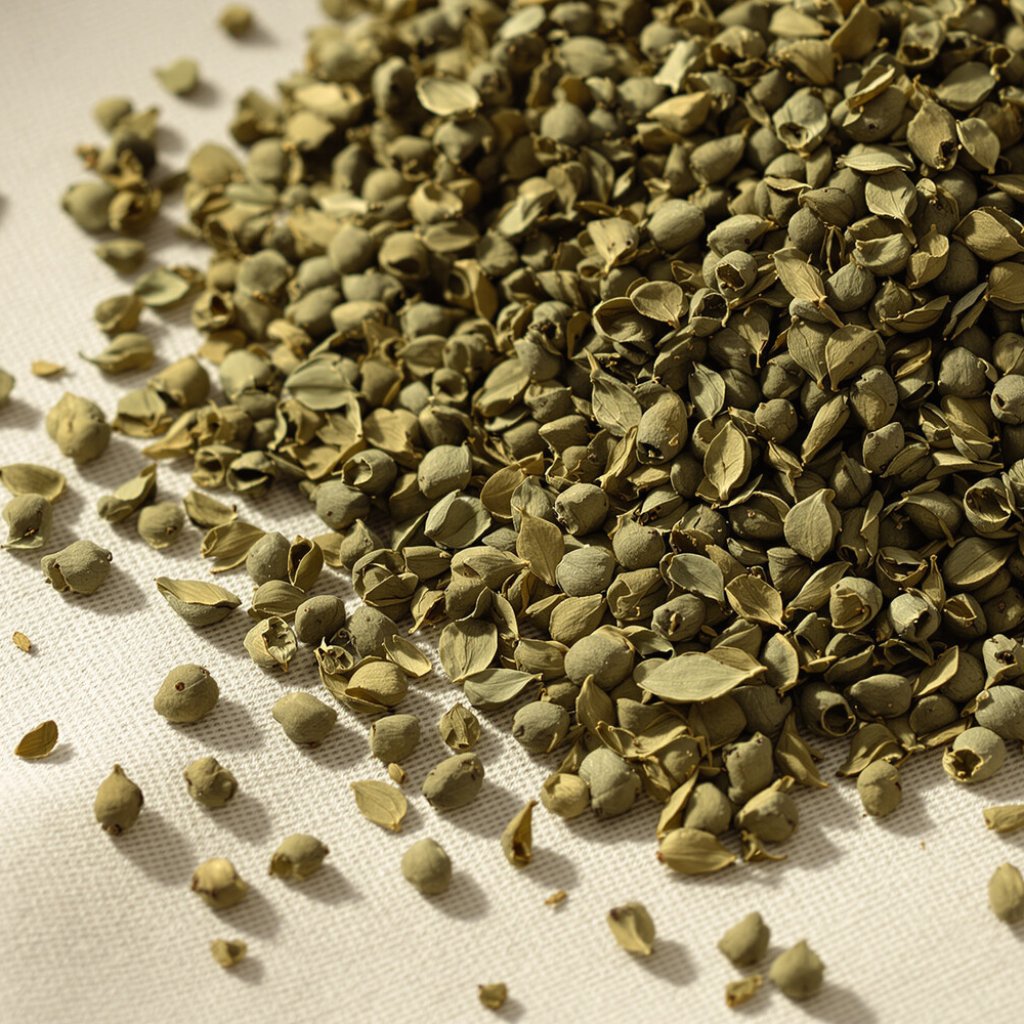
Gunpowder: the Iconic Chinese Green Tea with Intense Character
Gunpowder is the iconic Chinese green tea hand-rolled into compact pearls, the traditional base of Moroccan mint tea.…
Read -
Green Tea Antioxidants: Health Benefits
Tea, originally from China, is the second most consumed beverage in the world. Rich in antioxidants, particularly…
Read -
Hojicha, Genmaicha and Gyokuro: 3 Japanese Green Teas
Japan offers a remarkable variety of refined teas, from Sencha and Matcha to Hojicha (roasted tea) and Genmaicha (rice…
Read