 Green Tea


Organic
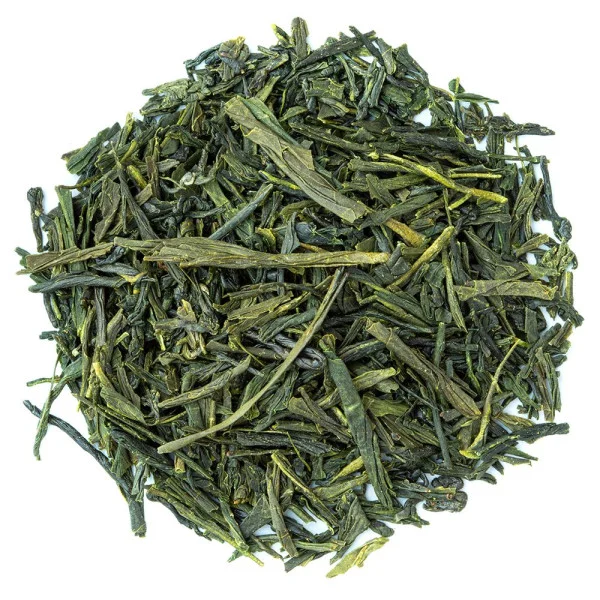
Kabusecha Asuka
Like Gyokuro, Kabusecha is a shade-grown tea
 Main Note:
Jasmine
Main Note:
Jasmine
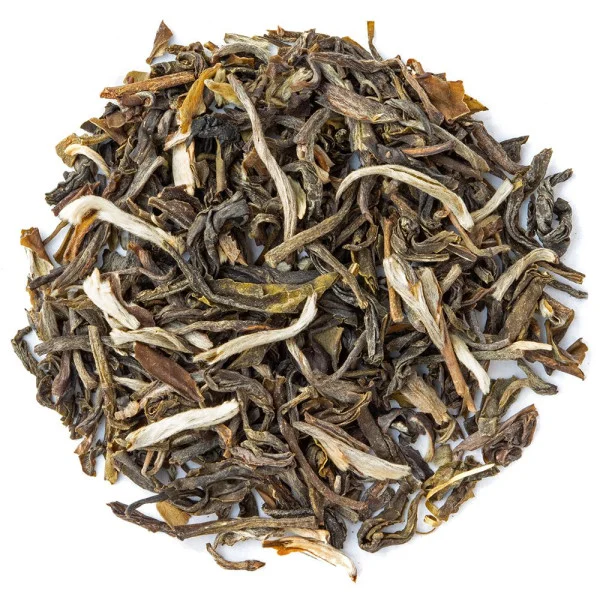
Our organic Imperial Jasmine Green Tea is an exceptional floral grand cru, crafted from a blend of four Chinese teas naturally scented with jasmine blossoms. The cup is bright, round and quietly captivating — a pleasure to enjoy at any time of day. Brew at 75-80°C for 2-3 minutes.
our expertise


In our workshop in Provence, each blend is handcrafted with passion by our team.
Real pieces of dried fruit, whole plants and carefully selected teas of origin.
Carefully crafted to create unforgettable tasting moments. A signature taste, an authentic experience.
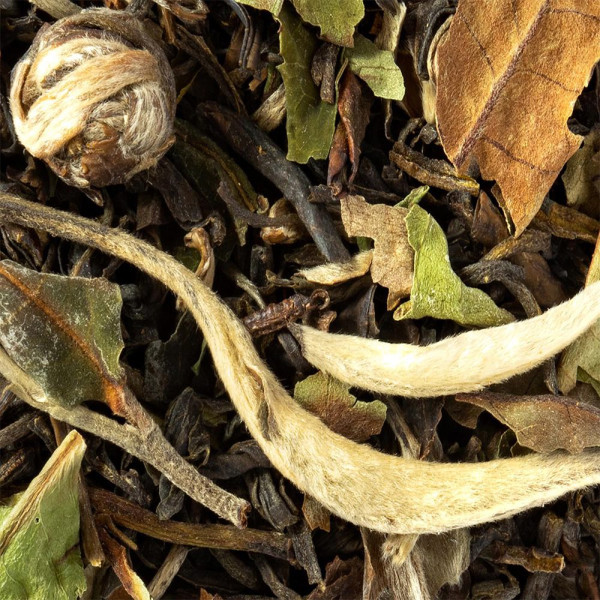
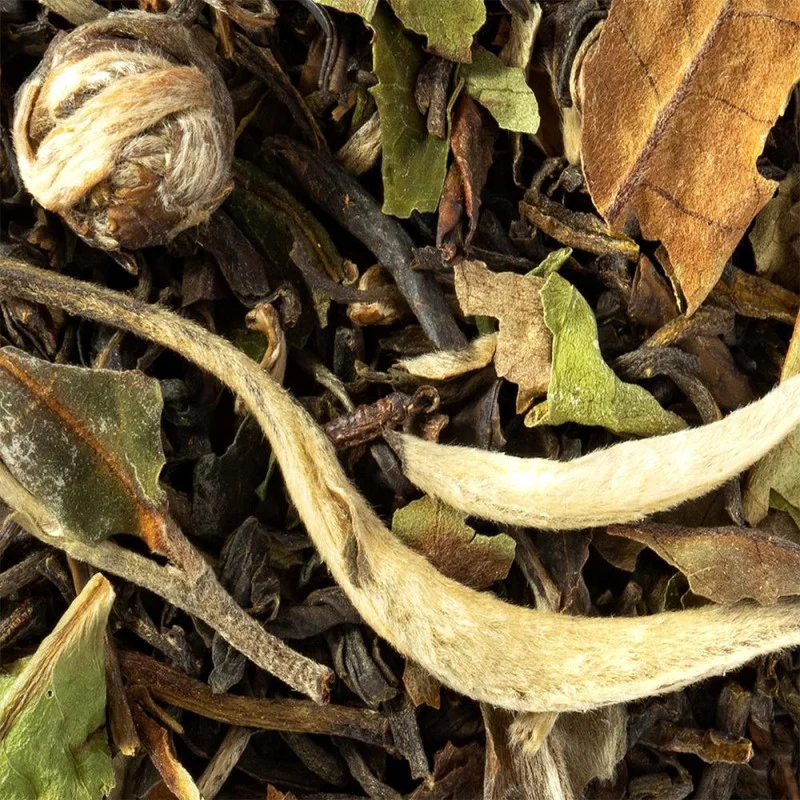
At a glance: An organic Imperial Jasmine green tea from China, a rare blend of four single-origin teas (China Jasmin, Pai Mu Tan, Silverneedle, Dragon Pearls) naturally scented with jasmine flowers. Brewing: 75-80°C, 2-3 min, 12-15 g/L.
Imperial Jasmine is one of the most beautiful expressions of Chinese tradition: leaves from our green teas and white tea rest for several nights alongside fresh jasmine flowers, which slowly impart their fragrance. This age-old process, entirely free of added flavourings, yields a floral cup of rare elegance.
Our house has selected a rare blend of four organic single-origin teas, curated by Julien Huot, founder of Thés & Traditions. A creation that honours the restraint and precision of the great Chinese floral art. Let this infusion become a fragrant pause in your day.
The moment you open the tin, the natural jasmine fragrance unfolds, warm and sun-kissed. The liquor, clear and golden, opens with a bright floral note, anchored by the rounded, vegetal character of China Jasmin (69% of the blend).
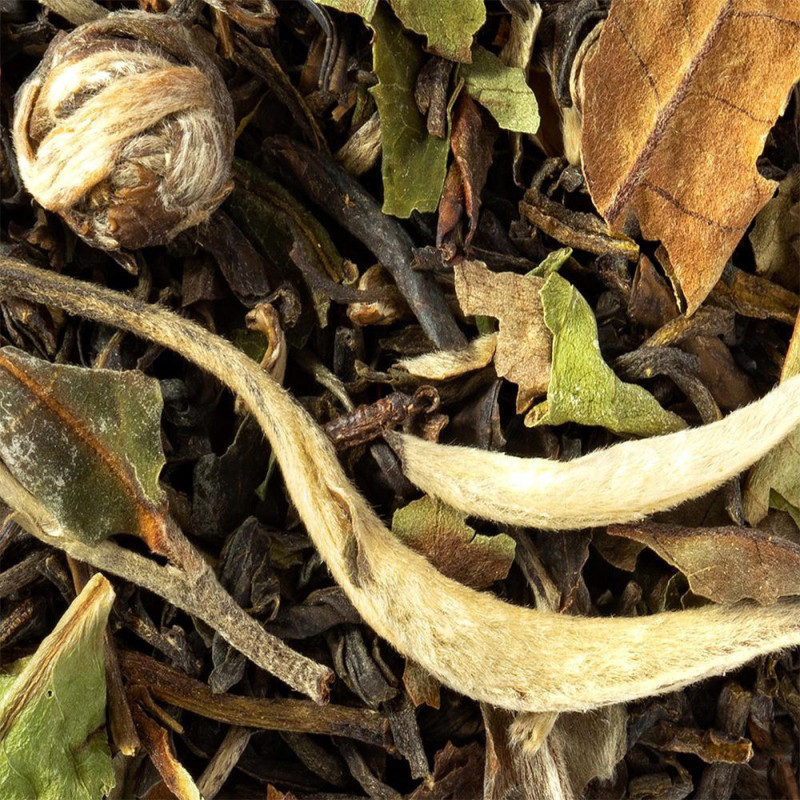
The heart of the cup reveals the silky softness of Pai Mu Tan, a white tea with hints of white flowers and light honey. The silver buds of Silverneedle bring delicacy and length, while the rolled Dragon Pearls (2%) leave a lingering, almost sweet finish.
A balanced infusion, free of astringency, at once fresh and deep. For a greener, more vegetal take on jasmine, explore our Jasmine Chun Hao Organic Green Tea.
Heat low-mineral water to 75-80°C (never boiling, which risks bitterness). Use 12 to 15 g per litre, roughly a heaped spoonful per large cup, and steep for 2 to 3 minutes.
The leaves are well suited to a second infusion: simply add 30 seconds to the steeping time. A porcelain or glass teapot works beautifully here, preserving the delicacy of the floral scent and letting you admire the golden colour of the liquor.
For the best tasting experience, skip the sugar and avoid strongly flavoured accompaniments. An almond biscuit, a light mochi, or a few pieces of fresh fruit are all you need to let the floral note linger.
Keep the leaves in their original tin, away from light, moisture and strong odours. Jasmine is a volatile fragrance: a careful seal preserves its brightness for several months after opening.
What are the benefits of Imperial Jasmine?
Green tea is traditionally recognised for its richness in polyphenols, as noted by the EFSA. Jasmine adds a soothing quality that many find particularly welcome in the late afternoon or evening. When is the best time to drink green tea? Ideally at any time of day, between meals.
How do I brew Imperial Jasmine tea?
Water at 75-80°C, 12-15 g/L, steeped for 2-3 minutes. Water that is too hot will destroy the floral fragrance and release the bitterness of the catechins. Filtered, low-mineral water is ideal.
What does Imperial Jasmine taste like?
Bright, sun-warmed floral top notes, a honeyed and silky heart, and a long, lightly sweet finish. No added flavourings: only fresh flowers, laid with the leaves night after night.
What types of jasmine tea are there?
The main styles are jasmine green teas (the most common), jasmine white teas (more delicate), and rolled Dragon Pearls. Visit our guide to green tea to learn more.
Information drawn from scientific opinions published by the ANSES on the polyphenols in green tea, and from EFSA publications. Selection and tasting by Julien Huot, founder of Thés & Traditions.

Like Gyokuro, Kabusecha is a shade-grown tea


A rare tea that offers an unforgettable taste experience.

A refreshing blend with guava and grapefruit flavour
French House
Independent since 2016.
Fast delivery
Home delivery or click & collect.
Made with heart
In the south of France.
Customer service
A real voice at the end of the line,
Monday to Friday: 04 22 91 35 75.
Sharing, passing it on: our teas, our tips, the occasional unexpected idea, and little attentions just for you. Pure pleasure, ready to steep.