Matcha bubble tea: the authentic recipe that transforms

This Taiwanese drink has taken the world by storm, yet most commercial versions share the same flaw: layer upon layer of sugar that completely overwhelms the delicate flavour of matcha. At Thés & Traditions, we've taken a different approach, one that stays true to the essence of this exceptional Japanese green tea.
Our matcha bubble tea recipe will help you discover this drink as it was meant to be: creamy, refreshing, and genuinely faithful to the authentic flavours of matcha. No more over-sweetened, mass-produced versions that do a disservice to this treasure of Japanese tradition.
Key takeaways
- Ceremony-grade matcha is essential to avoid bitterness
- Careful preparation technique: warm water, never boiling
- Homemade tapioca pearls for full control over texture and sweetness
- A perfect balance between Japanese tradition and Taiwanese creativity
- A wholesome version with natural alternatives to refined sugar
Why the choice of matcha changes everything
In the world of bubble tea, matcha isn't just another ingredient: it's the soul of your drink. Many recipes rely on ordinary green tea powders or industrial blends, which produce that sharp bitterness you then have to mask with sugar.
A true ceremony-grade matcha, finely stone-ground following Japanese tradition, reveals soft vegetal notes, a velvety texture and that distinctive jade colour. This fundamental difference is what sets an authentic bubble tea apart from a simple sweet drink.
We favour matchas sourced from the Fujieda and Uji regions, where tea plants are grown under natural shade that encourages the development of precious chlorophyll. This age-old method preserves the antioxidants and gives matcha its much-sought-after umami flavour.
Ingredients for 2 generous servings
For the matcha:
- 2 teaspoons of ceremony-grade matcha (approximately 4g)
- 120ml water at 70°C (never boiling)
- 1 tablespoon of agave syrup or acacia honey
For the tapioca pearls:
- 80g dried tapioca pearls
- 1 litre of water for cooking
- 2 tablespoons of maple syrup
For assembly:
- 400ml barista oat milk (or coconut milk for a hint of the exotic)
- Ice cubes
- 2 wide-bore straws
The quality of every component matters. Choose a smooth plant-based milk that won't overpower the delicacy of the matcha, and good-quality tapioca pearls that will hold their soft, chewy texture.
Step-by-step preparation
Step 1: Prepare the tapioca pearls
Bring the water to a boil in a heavy-bottomed saucepan. Add the tapioca pearls in a steady stream, stirring constantly to prevent them from sticking together. Reduce the heat and cook for 15 to 20 minutes, stirring regularly.
The pearls are ready when they turn translucent with a small white dot at the centre. Drain and immediately plunge them into a cold water bath to stop the cooking process. This technique preserves their ideal texture: soft on the outside, with a slight bite at the centre.
Drain again and gently fold in the maple syrup. This step allows the pearls to absorb a natural sweetness without becoming heavy.
Step 2: Prepare the matcha
In a matcha bowl (or any flat-bottomed bowl), sift the matcha powder to remove any lumps. Pour in a third of the warm water and whisk vigorously in an "M" motion using a chasen or a small whisk.
Gradually add the remaining water, continuing to whisk until you achieve a fine, even foam. This traditional technique draws out the full aromatic richness of the matcha. Gently stir in the agave syrup.
The secret lies in the water temperature: too hot, and it scorches the tannins, creating bitterness. Too cool, and the flavours won't fully develop.
Step 3: Final assembly
Spoon a generous amount of tapioca pearls into the bottom of each glass. Add a handful of ice cubes, then carefully pour over the prepared matcha.
Top with the plant-based milk, pouring it slowly down the inside of the glass. This technique creates those beautiful colour gradients so characteristic of artisanal bubble tea.
Stir gently with the straw before enjoying. Each sip should reveal the harmony between the creamy sweetness of the milk, the freshness of the matcha and the playful texture of the pearls.
Our secrets for an even more refined result
After years of perfecting this recipe, we've discovered a few touches that make all the difference. First, serving temperature: matcha bubble tea is best enjoyed between 8 and 12°C, a range that brings out the full aroma without numbing the palate.
For a more indulgent version, we love adding a hint of bourbon vanilla to the plant-based milk, or a few drops of orange blossom water, which harmonises beautifully with the vegetal notes of the matcha.
The more adventurous can try our "matcha-coconut" variation by replacing some of the oat milk with thick coconut milk and scattering a few toasted coconut flakes on top. This version nods to tropical flavours while staying true to the authenticity of the matcha.
Finally, for a presentation worthy of the finest tea rooms, dust the surface of your drink lightly with sifted matcha. This finishing touch adds both visual impact and an extra layer of flavour.
Frequently asked questions about matcha bubble tea
Great question! Tapioca pearls keep perfectly well for 4 to 6 hours at room temperature in their syrup. Avoid the refrigerator at all costs, as it hardens them. If you need to prepare them the day before, a few seconds in the microwave before serving will bring back their soft, chewy texture.
Bitterness usually comes down to one of two things: a matcha that isn't high enough in quality, or water that is too hot. Invest in a genuine ceremony-grade matcha and check your water temperature with a thermometer. 70°C maximum is the golden rule.
Coconut milk adds unmatched richness, while almond milk brings a subtle sweetness. Avoid rice milk, which is too watery and dilutes the flavours. For traditionalists, whole dairy milk remains an excellent choice, though we lean towards plant-based alternatives for their digestibility.
The secret is in the whisking technique: quick movements in an "M" or "W" shape, never circular. A traditional chasen gives the best results, but a small electric milk frother can also do the job. The key is to incorporate air into the mixture.
Absolutely. Replace the ice cubes with warm plant-based milk (60°C maximum) and serve in preheated mugs. This comforting version is perfect for autumn evenings when you want to combine pleasure and wellbeing in equal measure.
Treat yourself to a true matcha moment with our organic matchas.
Extend this moment in a summer version with our iced tea range.
Tempted to try it?
Our selection related to this article, loose leaf and organic.
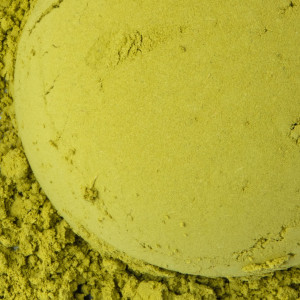
Matcha Aura Organic
Matcha Aura Organic is a finely milled green tea powder crafted for the perfect organic matcha latte.
€14.90Discover
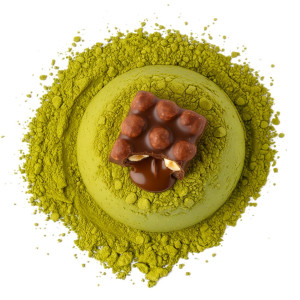
Chocolate Hazelnut Matcha Latte
Chocolate hazelnut matcha latte, also loved as a hazelnut milk matcha, brings together matcha green tea powder with warm, indul…
€18.90Discover
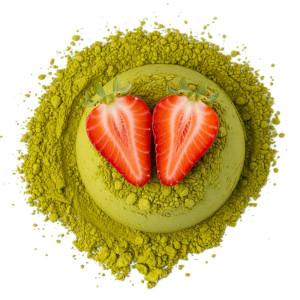
Strawberry Matcha Latte
Strawberry matcha latte, also loved as a strawberry matcha or matcha with strawberry, brings together the gentle vegetal depth …
€18.90Discover