Matcha Chocolate: When Bitterness Meets Sweetness

In the world of flavor, some combinations seem unlikely at first glance. Yet the pairing of chocolate and matcha reveals a surprising harmony, where the richness of cacao perfectly meets the vegetal, gently bitter notes of Japanese green tea. This indulgent fusion turns every tasting into a sensory journey, weaving together Japanese tradition and the Western pleasure of chocolate.
Key Takeaways
- The chocolate-matcha pairing strikes a perfect balance between sweetness and vegetal bitterness
- White chocolate showcases the delicate nuances of matcha far better than dark
- This combination offers remarkable antioxidant benefits
- The quality of the matcha entirely determines the success of the pairing
- Many variations exist: bars, warm drinks, pastries and more
Why Does This Pairing Work So Well?
The harmony between chocolate and matcha rests on a subtle balance of contrasts. On one side, the enveloping sweetness of cacao: milky and gentle when it comes to white chocolate, bold and assertive with dark. On the other, matcha's characteristic umami, that elusive fifth taste that brings a vegetal dimension and a gentle astringency.
This complementarity is no accident. Ceremonial-grade matcha, shade-grown for several weeks before harvest, develops compounds that pair naturally with the tannins in cacao. The herbaceous notes of powdered green tea temper the richness of chocolate, creating a gustatory balance of rare elegance.
In practice, when you bite into a white chocolate matcha bar, your palate first picks up the vanilla-tinged sweetness of cocoa butter, then the vegetal notes of matcha gradually emerge, bringing a freshness that keeps the whole thing from feeling heavy. It is this layered progression that makes the experience so addictive.
White or Dark Chocolate: Which to Choose with Matcha?
The question of white versus dark chocolate with matcha divides enthusiasts. Each option offers a distinct tasting experience, and the choice depends largely on personal preference and the intensity you are after.
White chocolate proves to be the ideal partner for discovering matcha. Its milky sweetness and vanilla notes create a perfect backdrop for the delicate flavors of Japanese green tea, allowing the matcha to express itself fully without being overshadowed by cacao's bitterness. It is also the preferred choice of many chocolatiers when introducing customers to this pairing for the first time.
Dark chocolate, on the other hand, offers a more intense and complex experience. The bitterness of cacao reinforces that of the matcha, creating a bold pairing that will appeal to more experienced palates. That said, it is worth choosing a dark chocolate that is not too powerful (70% maximum) so as not to overwhelm the subtle nuances of the matcha.
A third option exists with milk chocolate, which offers an interesting middle ground. It retains a certain sweetness while bringing more character than white chocolate, allowing for a harmonious balance with matcha.
The Secrets of Quality Matcha for Chocolate
Not all matchas are equal, and that difference becomes crucial when pairing them with chocolate. The quality of your matcha entirely determines the success of the experience, and a few simple criteria help you make the right choice.
Grade is the first indicator. For chocolate, look for a ceremonial or premium culinary grade matcha. These offer the finesse and aromatic complexity that harmonize beautifully with cacao. Avoid entry-level matchas, which tend to be overly bitter and lacking in nuance.
Color also reveals a great deal about quality. A good matcha for chocolate displays a vivid jade green hue, a sign of a recent harvest and careful processing. A dull or yellowish color indicates an oxidized matcha that will bring bitterness without finesse.
Geographic origin plays a role too. Matchas from Uji, near Kyoto, or from Nishio in Aichi Prefecture are particularly prized for their quality. These terroirs offer ideal growing conditions that translate into more refined flavors.
Finally, freshness is paramount. Matcha deteriorates quickly once opened, losing its delicate aromas in favor of a pronounced bitterness. Choose packaging suited to your usage and store your matcha in the refrigerator in an airtight container.
How to Taste and Appreciate This Pairing
Tasting a matcha chocolate deserves a little extra attention to fully appreciate its subtlety. Unlike a classic chocolate, this combination reveals its secrets gradually, calling for a more contemplative approach.
Begin by observing the color of your chocolate. A well-made white matcha chocolate shows an even, pale green hue with no marbling, a sign of a well-mastered blend. Then let the chocolate warm slightly between your fingers to release its aromas.
When it comes to tasting, let the chocolate melt slowly on your tongue rather than biting into it straight away. This technique allows the different notes to emerge one by one: first the sweetness of the chocolate, then the umami of the matcha, and finally that characteristic gentle astringency that cleanses the palate.
The right accompaniment can enrich the experience. A delicate white tea or a light Sencha complement this tasting beautifully, creating a dialogue between different expressions of tea. Avoid overly sweet drinks, which would mask the subtle nuances of the pairing.
Serving temperature also influences perception. A matcha chocolate served slightly cool (around 16-18°C / 61-64°F) reveals its aromas better than at room temperature, where the sweetness of the chocolate can take over.
The Nutritional Benefits of This Pairing
Beyond the pleasure of taste, the chocolate-matcha combination offers interesting nutritional qualities that make it more than just a simple indulgence. This pairing brings together the well-recognized benefits of two exceptional ingredients.
Matcha provides an exceptional concentration of antioxidants, particularly catechins and EGCG (epigallocatechin gallate). These compounds protect cells from oxidative stress and support the immune system. A serving of matcha chocolate can contain up to ten times more antioxidants than a conventional cup of green tea.
L-theanine, an amino acid found naturally in matcha, promotes relaxation and improves concentration. Combined with the theobromine in chocolate, it creates a gentle, sustained energy effect, without the peaks and crashes associated with caffeine alone.
Chocolate, especially dark chocolate, contributes flavonoids that support cardiovascular health. Even white chocolate, though lower in cacao, provides minerals such as calcium and phosphorus.
This nutritional synergy makes matcha chocolate a less guilt-inducing pleasure than many other confections. Moderation is still key, of course, but you can enjoy this treat knowing it offers more than simple pleasure.
Indulgent Creations: Beyond the Simple Bar
The world of matcha chocolate extends well beyond traditional bars. This pairing inspires a wide range of creations that explore every facet of this gustatory harmony, offering a varied palette of textures and experiences.
Warm drinks are a particularly comforting variation. A hot matcha chocolate brings together the richness of melted cacao and the vegetal freshness of green tea, creating a drink that is both energizing and soothing. A little care is needed in preparation: incorporate the matcha at a moderate temperature to preserve its delicate aromas.
In patisserie, this pairing opens up an immense creative space. Chocolate-matcha macarons play on visual and gustatory contrast, while mousses explore light, airy textures. Matcha truffles coated in white chocolate offer a concentrated intensity that is particularly appealing.
Ice cream makers have also embraced this trend with refreshing creations. A white chocolate ice cream scattered with matcha, or a matcha sorbet draped in chocolate ganache, transforms this pairing into a summer pleasure.
More surprisingly, some chefs are weaving this combination into more elaborate desserts: matcha and chocolate tiramisù, a delicate tart where matcha cream meets a crisp chocolate layer, or a soufflé that plays with contrasting temperatures and textures.
Tips for Making Your Own Creations
Making your own matcha chocolates at home requires a little technical know-how, but remains accessible to motivated amateurs. A few basic principles will ensure satisfying results and help avoid common pitfalls.
Choosing the right ingredients is the foundation of success. Opt for a quality couverture chocolate, white for preference when starting out, and a minimum premium culinary grade matcha. Cutting corners on these base ingredients will always show in the final flavor.
Temperature plays a crucial role when working with chocolate. Tempering, the technique of melting and cooling chocolate along precise temperature curves, determines the glossy finish and shelf life of your creations. For white chocolate, work at around 45°C (113°F) for melting and 27°C (81°F) for cooling.
Incorporating matcha calls for a gentle touch. Always sift your powder to avoid lumps, and fold it gradually into the melted chocolate, making sure it is not too hot. Excessive heat destroys the subtle aromas of matcha and can introduce bitterness.
For ganaches, respect the proportions: allow approximately 5 to 8 grams of matcha per 100 grams of white chocolate, depending on the intensity you want. Start with lower quantities and adjust with each new batch.
Storage is also worth attention. Your matcha chocolates keep best in a cool (16-18°C / 61-64°F), dry place away from light. Enjoy them within two weeks to make the most of their aromas, which fade more quickly than those of plain chocolate.
Frequently Asked Questions
Not always. Entry-level matchas, often sold in supermarkets, are generally too bitter and lack the finesse needed to harmonize with chocolate. Look for a culinary or ceremonial grade matcha, available from specialist tea retailers. The difference in price is more than justified by the quality of the final result.
Several things can cause this. Poor-quality or oxidized matcha is often the culprit. Incorporating it at too high a temperature can also destroy the delicate aromas. And an excessive amount will turn subtlety into bitterness. Start with 5g of matcha per 100g of chocolate and adjust gradually.
Absolutely. Milk chocolate actually offers an excellent middle ground between the sweetness of white and the character of dark. It brings more complexity while retaining enough sweetness to complement the matcha. Choose a milk chocolate that is not overly sweet (around 35-40% cacao) for the best balance.
Keep your creations in a cool (16-18°C / 61-64°F), dry place away from light. A refrigerator works well as long as you wrap them airtight to keep moisture out. Enjoy them within 15 days to make the most of the matcha's aromas, which fade more quickly than those of plain chocolate.
Matcha does contain caffeine, but in moderate amounts. A serving of matcha chocolate (around 20g) provides roughly the equivalent of a quarter cup of green tea, or about 15-20mg of caffeine. That is well below a cup of coffee, but enough for a gentle stimulating effect, softened by the L-theanine, which promotes relaxation.
Yes. Several brands offer vegan white chocolates made with cocoa butter and plant-based milk (coconut, almond, oat). These alternatives work very well with matcha, sometimes even better, as they tend to be less sweet than traditional versions. Just make sure the texture remains creamy for an optimal result.
To prepare your bowl, browse our matcha selection, from ceremonial to latte.
Tempted to try it?
Our selection related to this article, loose leaf and organic.
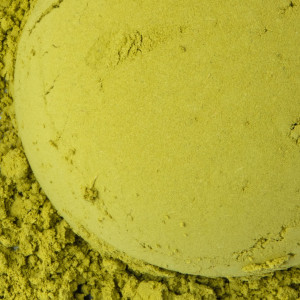
Matcha Aura Organic
Matcha Aura Organic is a finely milled green tea powder crafted for the perfect organic matcha latte.
€14.90Discover
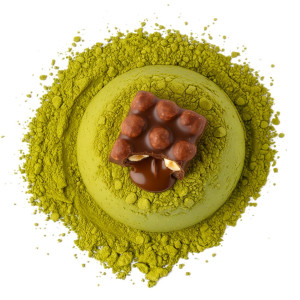
Chocolate Hazelnut Matcha Latte
Chocolate hazelnut matcha latte, also loved as a hazelnut milk matcha, brings together matcha green tea powder with warm, indul…
€18.90Discover
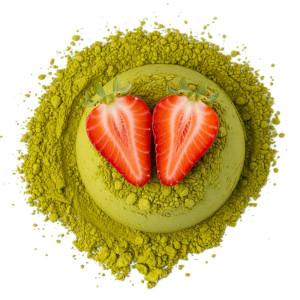
Strawberry Matcha Latte
Strawberry matcha latte, also loved as a strawberry matcha or matcha with strawberry, brings together the gentle vegetal depth …
€18.90Discover