Matcha Cheesecake: The Recipe That Will Transform Your

I discovered this matcha cheesecake recipe almost by chance during a culinary trip to Japan. Ever since, it has become one of my most treasured desserts, the kind that turns any meal into something a little special. Matcha, that finely ground green tea powder with its distinctive vegetal character, brings a unique depth to the creamy texture of a classic cheesecake. Somewhere between Japanese tradition and Western indulgence, this dessert is a beautiful example of how flavors can be married with real finesse.
Ingredients for 8
When it comes to this matcha cheesecake, the quality of your ingredients makes all the difference. Here is what you will need:
For the biscuit base:
- 200g digestive biscuits (or speculoos for a more caramelized note)
- 80g unsalted butter, melted
- 1 pinch of fine salt
For the matcha filling:
- 600g cream cheese (Philadelphia works well, at room temperature)
- 150g caster sugar
- 3 whole eggs
- 200ml heavy cream
- 2 tablespoons ceremonial-grade matcha powder
- 1 tablespoon fresh lemon juice
- 2 tablespoons all-purpose flour
For the topping:
- 200ml heavy cream, very cold
- 2 tablespoons powdered sugar
- 1 teaspoon vanilla extract
- Matcha powder for dusting
Step-by-Step Instructions
Making a matcha cheesecake takes a little patience, but the result is well worth it. Here is how to go about it:
Step 1: The crunchy base
Preheat your oven to 160°C (320°F). Crush the biscuits finely in a food processor, or place them in a zip-lock bag and use a rolling pin. Mix the crumbs with the melted butter and salt until the mixture resembles damp sand. Press it firmly into the base of a 22cm springform pan, lightly buttered. Refrigerate while you prepare the filling.
Step 2: The magic of matcha
In a large bowl, beat the cream cheese until perfectly smooth and creamy. Gradually add the sugar, continuing to beat. Incorporate the eggs one at a time, mixing well after each addition. In a small bowl, whisk the matcha with the lemon juice to form a smooth paste, with no lumps. This step is key for an even, vibrant color. Fold this mixture into the cream cheese base, then add the heavy cream and sifted flour.
Step 3: The gentle bake
Pour the filling over the biscuit base. Place the springform pan inside a larger roasting dish and pour hot water around it, reaching halfway up the sides. This water bath ensures a slow, even bake. Bake for 50 minutes at 160°C (320°F). The center should still have a slight wobble when you take it out. Allow to cool completely before unmolding, then refrigerate for at least 4 hours, ideally overnight.
My Secrets for a Perfect Matcha Cheesecake
After making this recipe many times, I have picked up a few tips that really do make a difference. First, the quality of your matcha matters: invest in a good culinary or ceremonial-grade powder, the difference in flavor is striking. Second, all your ingredients should be at room temperature before you start, which prevents lumps from forming in the batter.
The secret to a perfectly smooth texture? Never over-mix once the eggs are in. Blend just enough to incorporate, or your cheesecake may puff up and collapse during baking. And do not skip the water bath. It may feel like extra effort, but it guarantees an even bake with no unsightly cracks on top.
Creative Variations
This matcha cheesecake lends itself beautifully to variations. For an even more Japanese feel, stir a few spoonfuls of sweetened red bean paste (anko) into the filling: the contrast between the slight bitterness of matcha and the sweetness of the beans is sublime. You can also fold white chocolate chips into the biscuit base for an extra indulgent touch.
If you enjoy brighter, citrusy flavors, replace part of the lemon juice with yuzu. This Japanese citrus brings an unmatched freshness that lifts the matcha beautifully. In winter, a little freshly grated ginger stirred into the batter adds a warming note that delights the palate.
Serving and Pairing
The presentation of this matcha cheesecake deserves as much care as the recipe itself. Just before serving, whip the cold cream with the powdered sugar and vanilla until soft peaks form. Spread it gently over the top and dust generously with matcha powder through a fine-mesh sieve.
For a truly elegant finish, serve each slice alongside a small cup of warm matcha or a delicate Japanese green tea such as Sencha. The flavors echo each other harmoniously, creating a complete tasting experience. A few fresh raspberries or strawberries add a bright, tangy note that balances the richness of the cheesecake perfectly.
Storage and Practical Tips
This matcha cheesecake keeps well in the refrigerator for 4 to 5 days, covered with plastic wrap. It actually improves overnight, as the matcha aroma has time to fully develop. To freeze, wrap it carefully and consume within 2 months. Thaw slowly in the refrigerator overnight before serving.
A chef's tip: if you find the matcha flavor too pronounced, start with just one tablespoon on your first attempt. You can always increase the quantity to suit your taste next time around. Since matcha is naturally bitter, the balance with sugar and cream is essential for a well-rounded dessert.
Frequently Asked Questions
Technically yes, but the result will be quite different. Matcha is a very finely ground powder that dissolves completely into the batter, giving the cheesecake its characteristic green color and depth of flavor. With brewed green tea, you will get neither the color nor the intensity. If you truly have no matcha on hand, brew a very strong green tea directly in the warm cream, let it cool, then strain before adding it to the batter.
Cracks are usually caused by baking too quickly or by a sudden change in temperature. Make sure to use a water bath at a moderate heat, and above all, let the cheesecake cool gradually. Once baking is done, crack the oven door open and leave the cheesecake inside for an hour before removing it completely. This avoids the thermal shock that causes cracks.
Matcha tends to form lumps when it meets liquid directly. The solution: whisk it first with the lemon juice or a small amount of warm cream to form a smooth paste, then fold that paste into your batter. You can also sift the matcha powder before using it to break up any clumps that may have formed during storage.
It is actually encouraged. This matcha cheesecake tastes best when made the day before. The flavors have time to meld and the texture becomes perfectly firm. You can prepare it up to 3 days ahead, adding the whipped cream and matcha dusting just before serving for the best result.
Ceremonial-grade matcha is the finest and most delicate, ideal for drinking as a tea on its own. Culinary-grade matcha is slightly more bitter and works perfectly in baking, at a lower price point. For this cheesecake, a good-quality culinary matcha is entirely sufficient: its bitterness will be beautifully balanced by the sugar and cream.
Build your own ritual : browse all our organic matchas, to whisk or to cook with.
Tempted to try it?
Our selection related to this article, loose leaf and organic.
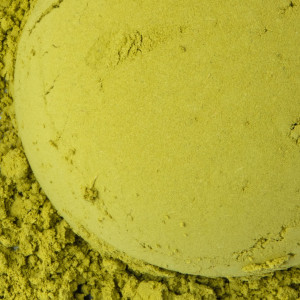
Matcha Aura Organic
Matcha Aura Organic is a finely milled green tea powder crafted for the perfect organic matcha latte.
€14.90Discover
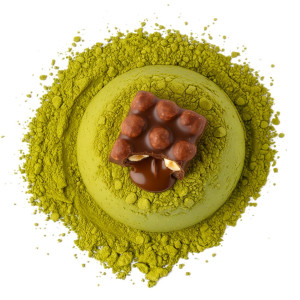
Chocolate Hazelnut Matcha Latte
Chocolate hazelnut matcha latte, also loved as a hazelnut milk matcha, brings together matcha green tea powder with warm, indul…
€18.90Discover
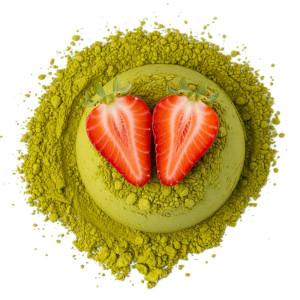
Strawberry Matcha Latte
Strawberry matcha latte, also loved as a strawberry matcha or matcha with strawberry, brings together the gentle vegetal depth …
€18.90Discover