Matcha Cake: the Japanese dessert that will transform your

Imagine a dessert that carries you straight to the heart of Japan, where every bite reveals the delicate character of matcha in a tender, comforting texture. This matcha cake is more than a simple bake: it's a bridge between Japanese tradition and everyday indulgence, open to anyone who wants to explore this distinctive flavour without leaving their kitchen.
At Thés & Traditions, we see matcha as far more than an ingredient: it's a way of life, an invitation to savour the present moment. This matcha cake recipe perfectly embodies that philosophy, pairing ease of preparation with a quietly refined flavour.
Ingredients for an authentic matcha cake (serves 6)
The success of your green tea dessert begins with good ingredients. Here is what you will need:
- 200g plain flour (T55) (for a perfectly tender crumb)
- 150g caster sugar (to balance matcha's natural bitterness)
- 3 whole eggs (organic if possible, at room temperature)
- 125ml neutral oil (sunflower or grapeseed)
- 125ml whole milk (for a smooth, rich batter)
- 2 tablespoons premium matcha powder (the soul of your cake)
- 1 sachet baking powder (11g)
- 1 pinch of salt (to bring out the flavours)
The secret to a truly great matcha cake? Use a ceremonial or culinary-grade matcha. Its deep jade-green colour and delicate grassy aroma will make all the difference.
Step-by-step method: your guide to a perfect bake
Step 1: Prepare your workspace
Preheat your oven to 180°C (350°F / gas mark 4). Generously butter a 24 cm loaf tin and dust it lightly with flour. This ensures the cake releases cleanly every time.
Step 2: Combine the dry ingredients
In a large mixing bowl, sift together the flour, matcha powder, baking powder and salt. Sifting prevents lumps and aerates the mixture. You should be left with a smooth, evenly pale-green powder.
Step 3: Prepare the wet mixture
In a separate bowl, whisk the eggs and sugar together vigorously until the mixture turns pale and foamy (about 3 minutes). Gradually add the oil, then the milk. This technique creates a smooth, stable emulsion.
Step 4: Bring it together
Pour the wet mixture over the dry ingredients. Fold gently with a wooden spatula, using slow upward strokes from the bottom of the bowl. Stop as soon as the batter is smooth and even: overmixing will make your cake dense.
Step 5: Baking
Pour the batter into your prepared tin and bake for 45 to 50 minutes. The cake is ready when a skewer inserted into the centre comes out clean. Leave to cool in the tin for 10 minutes before turning out.
Tips for taking your matcha dessert to the next level
After years of refining this recipe, here are the details that make the real difference:
Matcha quality matters most: Choose an authentic Japanese matcha. Its origin directly shapes the flavour of your cake. A Kyushu matcha will bring softer, more rounded notes, while a matcha from Uji will reveal greater aromatic complexity.
Temperature is your ally: All your ingredients should be at room temperature. Take eggs and milk out of the refrigerator 30 minutes before you start. This prevents the batter from splitting and gives you an even, silky texture.
Never skip the sifting: Matcha tends to form small clumps. Double-sifting ensures an even colour throughout and a flawless texture.
Keep an eye on the oven: Every oven is different, so start checking at the 40-minute mark. The cake should feel firm to the touch while still holding a slightly tender centre.
Creative variations to suit every taste
This green tea cake lends itself beautifully to a little creative exploration:
White chocolate version: Fold 100g of white chocolate chips into the batter. The contrast between matcha's slight bitterness and the sweetness of white chocolate creates a delicious harmony.
Matcha glaze: Stir together 200g icing sugar, 2 tablespoons of matcha and 3 tablespoons of milk. Drizzle over the cooled cake for a striking visual finish.
Marble version: Divide the batter in two. In one half, swap the matcha for cocoa powder. Alternate layers in the tin to create a beautiful cocoa-matcha marble effect.
Classic accompaniment: Serve a slice alongside a scoop of vanilla ice cream and a scattering of toasted black sesame seeds. A pairing that feels right at home in Japanese pastry tradition.
Storing and serving: making the most of your creation
Your matcha cake keeps beautifully for 4 to 5 days in an airtight container at room temperature. Interestingly, its flavour deepens after 24 hours: the matcha's aroma develops further and the crumb becomes even more tender.
For the best experience, take the cake out 15 minutes before serving. Room temperature lets the subtleties of the green tea come through more fully. Pair it with a traditional matcha or a delicate white tea for a truly complete tasting moment.
This dessert sits just as happily at an afternoon tea as it does at the end of a dinner. Its soft green hue brings a fresh, unexpected note that never fails to delight.
Frequently asked questions about matcha cake
No, loose-leaf green tea cannot replace matcha powder. Matcha is stone-ground to an ultra-fine powder that blends smoothly into batter. Regular green tea would leave a grainy texture and a much weaker flavour. If you don't have matcha to hand, it's worth waiting until you do.
Bitterness can come from a very concentrated ceremonial-grade matcha or simply from too generous a measure. Next time, reduce the matcha slightly (1½ tablespoons instead of 2) and add an extra 20g of sugar. A tablespoon of honey can also help, as it naturally softens the bitterness.
Several factors affect colour: matcha quality (a low-grade matcha will pull towards yellow), oven temperature (too high will dull the green) and oxidation. Use a premium matcha, respect the baking temperature and enjoy your cake soon after baking.
Absolutely. Replace the wheat flour with a blend of rice flour (150g) and cornflour (50g). Add a teaspoon of xanthan gum to bind the batter. The result will be slightly denser, but every bit as flavourful.
Fresh matcha has an intense jade-green colour and a delicate grassy scent. If it has shifted towards yellow or brown, smells of hay or has lost its aroma altogether, it is past its best. Store matcha in an airtight container in the refrigerator and use it within 6 months of opening.
Yes, it freezes very well. Wrap it tightly in cling film, then in foil. It will keep for up to 3 months in the freezer. Thaw slowly in the refrigerator overnight, then bring to room temperature before serving.
Why not give it a try ? Explore our organic matchas and let yourself be tempted.
Tempted to try it?
Our selection related to this article, loose leaf and organic.
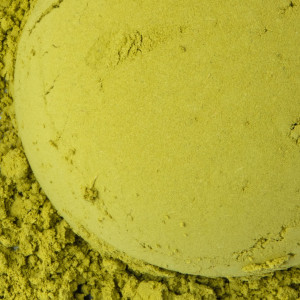
Matcha Aura Organic
Matcha Aura Organic is a finely milled green tea powder crafted for the perfect organic matcha latte.
€14.90Discover
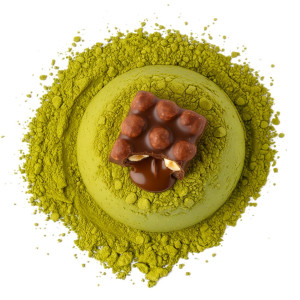
Chocolate Hazelnut Matcha Latte
Chocolate hazelnut matcha latte, also loved as a hazelnut milk matcha, brings together matcha green tea powder with warm, indul…
€18.90Discover
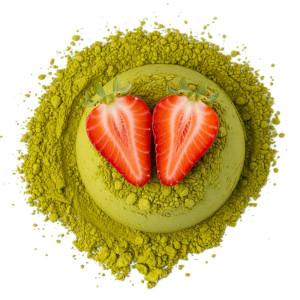
Strawberry Matcha Latte
Strawberry matcha latte, also loved as a strawberry matcha or matcha with strawberry, brings together the gentle vegetal depth …
€18.90Discover