Matcha Mochi: the Japanese sweet that steals hearts

This little wonder from Japan has captured our palates and our feeds alike. Matcha mochi, with its distinctive green hue and singular texture, embodies the perfect meeting of ancient tradition and contemporary pleasure. At Thés & Traditions, we see this confection as far more than a sweet treat: it is a genuine bridge between cultures, an invitation to discover the Japanese art of living, one bite at a time.
Key takeaways
- Matcha mochi brings together the softness of glutinous rice and the subtle bitterness of powdered green tea
- Making it calls for patience and technique, yet remains within reach of any passionate home cook
- This traditional confection now comes in frozen versions, perfect for summer
- The matcha you choose entirely determines the quality and flavour of your mochi
- Every bite strikes a perfect balance between Japanese tradition and modern pleasure
What makes matcha mochi so special?
Matcha mochi captures the very essence of Japanese confectionery: apparent simplicity, genuine gustatory depth. This traditional sweet brings together two iconic elements of Japan: mochi, the glutinous rice dough with roots stretching back millennia, and matcha, the powdered green tea celebrated for its remarkable properties.
What is so captivating about this creation is the perfect alchemy of textures and flavours. The rice dough offers that characteristic elasticity, a tender resistance under the tooth that never fails to surprise first-timers. The matcha, for its part, brings a distinctly vegetal bitterness, a gustatory depth that lingers and evolves on the palate.
Traditionally, matcha mochi is shaped into small green spheres, sometimes filled with anko (sweetened red bean paste) or cream. Each region of Japan has developed its own variations, some leaning sweeter, others letting the bitterness of green tea take the lead.
The beauty of this confection also lies in its seasonal dimension. In spring, as the cherry blossoms open, matcha mochi evokes nature's renewal. Come summer, it transforms into a frozen version, offering a welcome coolness. This adaptability speaks to the richness of Japanese culinary culture.
The secrets of a successful preparation
Making matcha mochi calls for a particular know-how that we love sharing with enthusiasm. Success comes from respecting a few fundamental principles, passed down through generations of Japanese artisans.
Choosing the right glutinous rice flour is the first crucial step. This flour, known as "mochiko" in Japanese, has unique properties that give mochi its characteristic texture. Unlike wheat flour, it contains no gluten, yet develops a natural elasticity during cooking.
Preparing the dough requires careful attention. Water must be incorporated gradually, and microwave cooking, the modern technique that has largely replaced traditional steaming, demands constant monitoring. Every minute matters, as the dough can quickly shift from a perfect consistency to one that is too firm.
Matcha deserves particular care. Its quality entirely shapes the character of your confection. A ceremonial-grade matcha will bring exceptional aromatic complexity, while a culinary matcha offers a more straightforward flavour, ideal for beginners.
Shaping is the most delicate step. The dough, still warm, must be handled with dexterity. A dusting of potato starch keeps it from sticking to your hands, making it possible to form those perfect little spheres that define traditional mochi.
Modern and creative variations
The art of matcha mochi continues to evolve, adapting to contemporary tastes while preserving its traditional soul. This capacity for reinvention partly explains the worldwide success of this Japanese confection.
The frozen version of matcha mochi has transformed the way we approach this treat. Imagine that soft, yielding rice dough wrapped around a scoop of green tea ice cream... This inspired creation turns mochi into the perfect summer dessert, combining freshness and authenticity.
Creative pastry chefs are now reimagining the classic recipe with confidence. Some fold pieces of white chocolate into the dough, creating a striking contrast with the bitterness of the matcha. Others stir in coconut cream, adding an exotic sweetness that elevates the green tea beautifully.
Presentation is evolving too. While traditional mochi is content with its classic round form, modern versions explore new aesthetics. Some artisans shape their mochi as leaves; others play with colour gradients by blending different intensities of matcha.
This creativity extends to the fillings as well. Traditional anko sometimes gives way to more Western-influenced creams: matcha mascarpone, white chocolate ganache, or even fresh fruit such as strawberry, creating unexpected and delightful flavour pairings.
The art of tasting and serving
Tasting matcha mochi is a ritual in itself, a moment of stillness that deserves to be savoured fully. This is not a confection to be rushed; it asks for attention and a certain respect.
Serving temperature has a significant influence on the experience. A mochi at room temperature reveals the full complexity of the matcha, allowing its aromas to unfold gradually. The frozen version, on the other hand, offers a striking contrast between the coolness of the ice cream and the softness of the rice dough.
Traditional pairings favour green tea, creating a seamless harmony between the drink and the confection. A delicate Gyokuro or a quality Sencha brings out the flavours of the mochi, completing the tasting experience beautifully. Some prefer a fuller-bodied tea, such as a matcha latte, to introduce an interesting counterpoint.
Presentation plays an essential role in appreciating this treat. Served on a traditional Japanese plate, alongside a small bamboo spoon, matcha mochi reveals its full aesthetic dimension. This setting becomes part of the pleasure.
The time of day shapes the experience too. Traditionally enjoyed in the afternoon alongside the tea ceremony, matcha mochi also makes a refined finale to a meal, bringing that sweet, polished note characteristic of the Japanese table.
The benefits of matcha
Beyond gustatory pleasure, matcha mochi offers the remarkable benefits of powdered green tea. This wellness dimension adds real value to the confection, reconciling indulgence with wellbeing.
Matcha concentrates all the nutrients of the tea leaf, unlike brewed teas where a portion of those benefits stays behind in the leaves. This green powder is rich in powerful antioxidants, catechins, which help protect our cells from premature ageing.
Theanine, an amino acid present in abundance in matcha, provides that sought-after sense of calm alertness. Unlike coffee, which can bring on jitteriness and palpitations, matcha offers a gentle, sustained energy, perfectly suited to moments of relaxation.
The vitamins and minerals in matcha naturally enrich our mochi. Vitamin C, vitamin E, potassium, calcium: this confection becomes a small concentrate of goodness, turning pleasure into a nourishing gesture.
This nutritional dimension partly explains the worldwide enthusiasm for matcha. In an era when we seek more mindful pleasures, matcha mochi answers that desire beautifully, uniting indulgence with genuine wellbeing.
Where to find it and how to choose well
The growing popularity of matcha mochi has multiplied the places where you can find it, though not all are equally worth your time. Knowing how to choose ensures an authentic, truly flavourful experience, worthy of this exceptional confection.
Traditional Japanese grocers remain the reference for discovering authentic mochis. These specialist shops often offer artisan creations made according to traditional methods. Freshness is generally assured there, which is a crucial factor in fully appreciating the texture of mochi.
Modern patisseries are also embracing the trend, offering their own interpretations. Some excel at marrying tradition and innovation, creating matcha mochis that surprise with their originality while honouring the Japanese spirit.
For those who wish to try making their own at home, the choice of ingredients determines everything. A ceremonial-grade matcha will completely transform your creation, bringing the gustatory depth that characterises the finest Japanese confections.
Glutinous rice flour also deserves careful attention. Japanese brands generally offer superior quality, guaranteeing the distinctive texture of authentic mochi. Investing in quality ingredients makes itself felt immediately in the final result.
Frequently asked questions
Absolutely. A good-quality culinary matcha works perfectly well for beginners. It delivers that beautiful green colour and characteristic flavour, even if it lacks the aromatic complexity of a ceremonial-grade matcha. The key is to choose an organic matcha, free from additives, which will bring out the true character of your confection.
Fresh mochi is best enjoyed within 24 hours of preparation. After that, the rice dough firms up and loses its characteristic softness. For frozen versions, they can be kept for a few days in the freezer, stored in an airtight container.
Perfectly normal. Glutinous rice dough is naturally sticky. The trick is to dust your hands and work surface generously with potato starch. Work quickly while the dough is still warm; it will be far more pliable.
Of course. The mochi concept lends itself to countless variations. You can use cocoa powder for chocolate mochi, freeze-dried strawberry powder, or even natural extracts. Each flavour brings its own personality to this wonderfully versatile confection.
Children generally love the fun texture of mochi, though the bitterness of matcha can catch them off guard. You can start with sweeter versions, or blend the matcha with a little white chocolate to soften the flavour. It is a wonderful way to introduce them to new tastes.
Why not give it a try ? Explore our organic matchas from Japan and let yourself be tempted.
Tempted to try it?
Our selection related to this article, loose leaf and organic.
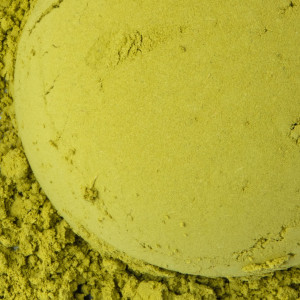
Matcha Aura Organic
Matcha Aura Organic is a finely milled green tea powder crafted for the perfect organic matcha latte.
€14.90Discover
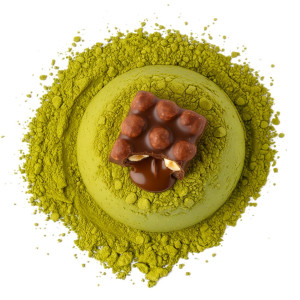
Chocolate Hazelnut Matcha Latte
Chocolate hazelnut matcha latte, also loved as a hazelnut milk matcha, brings together matcha green tea powder with warm, indul…
€18.90Discover
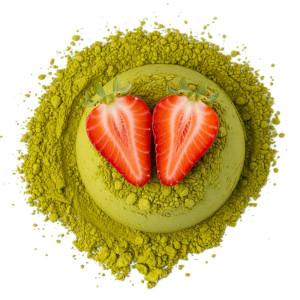
Strawberry Matcha Latte
Strawberry matcha latte, also loved as a strawberry matcha or matcha with strawberry, brings together the gentle vegetal depth …
€18.90Discover