Matcha Tiramisu: the Recipe Uniting Italy and Japan

This matcha tiramisu recipe transforms the classic Italian dessert into a refined Japanese-inspired creation. Matcha green tea lends its characteristic jade colour and subtle vegetal flavour, striking a perfect balance between Italian tradition and Japanese elegance. At Thés & Traditions, we see this fusion as a genuine bridge between two rich food cultures, where every spoonful reveals the harmony between silky mascarpone and the sophistication of ceremonial-grade matcha.
Ingredients for your matcha tiramisu (serves 6)
For the matcha mascarpone cream:
- 500g good-quality mascarpone (at room temperature, this matters!)
- 4 fresh eggs (whites and yolks separated)
- 100g caster sugar
- 2 tablespoons premium matcha powder (choose ceremonial-grade for the most delicate flavour)
- 1 pinch of salt
For the matcha syrup:
- 300ml hot water (not boiling, 80°C maximum)
- 1 tablespoon matcha powder
- 2 tablespoons sugar
For assembly:
- 24 ladyfinger biscuits (Savoiardi)
- Matcha powder for the final decoration
Step-by-step preparation
Start with the matcha mascarpone cream. In a large bowl, whisk the egg yolks with the sugar vigorously until the mixture turns pale and fluffy. This takes about 3 to 4 minutes by hand, slightly less with an electric whisk.
Gently fold in the mascarpone at room temperature. A small tip: if your mascarpone has been in the fridge, let it sit at room temperature for 30 minutes first. This prevents lumps and gives you a perfectly smooth texture.
Sift the matcha powder to remove any clumps, then incorporate it gradually into the mixture. Stir gently but thoroughly until you have an even, appetising green colour throughout.
In a separate, perfectly clean bowl, whisk the egg whites with a pinch of salt to firm peaks. Fold them carefully into the mascarpone cream, lifting the mixture from the bottom up with a flexible spatula. This technique keeps the air in and ensures a light, airy texture.
Now for the matcha syrup. Heat the water to 80°C (no hotter, or the matcha will turn bitter). Whisk the matcha with a small amount of the hot water to form a smooth paste, then gradually add the remaining water and sugar. Leave to cool completely before using.
A few tips to get it right every time
The choice of matcha makes all the difference. Go for ceremonial-grade or organic premium matcha: the flavour will be smoother, less bitter, and the colour more vibrant. A culinary-grade matcha can unbalance the dessert with unwanted bitterness.
Watch the water temperature for the syrup. Water that is too hot draws out the bitterness of the matcha. 80°C is the golden rule. No thermometer? Let boiling water cool for 2 to 3 minutes before using.
When dipping the biscuits, speed is everything. One second on each side is enough. Over-soaked biscuits will make your tiramisu soggy. They should be moist but still hold their shape.
Assembly: the art of patience
Arrange a first layer of dipped biscuits in the bottom of your dish or individual glasses. Cover generously with the matcha mascarpone cream, smoothing it gently with a spatula.
Repeat the process: biscuits, then cream, finishing with a cream layer on top. This final layer protects the tiramisu and gives it a clean, beautiful finish.
Cover with cling film pressed directly onto the surface and refrigerate for at least 4 hours, ideally overnight. This resting time lets the flavours meld and the texture set properly.
What to serve with your matcha tiramisu
This dessert stands beautifully on its own, but a few additions can take it even further. A thin almond tuile adds a lovely crisp contrast. Fresh berries, raspberries or strawberries, bring a bright acidity that balances the richness of the mascarpone.
For those who love contrasts, a few white chocolate shavings scattered over just before serving add an extra touch of indulgence. The matcha and white chocolate pairing is a classic in modern Japanese patisserie.
For drinks, serve alongside a light green tea or a very mild coffee. Avoid anything too strong or full-bodied, which would overpower the delicate vegetal notes of the matcha.
Variations worth trying
For an even more Japanese take, replace a few of the biscuits with thinly sliced mochi. The soft, chewy texture adds an authentically Japanese dimension to the dessert.
A berry version transforms the dish entirely: add a layer of fresh raspberries between the biscuits and the cream. Their tartness beautifully offsets the sweetness of the mascarpone and the gentle bitterness of the matcha.
For a more indulgent twist, the white chocolate matcha variation replaces some of the matcha with melted white chocolate stirred into the cream. The result is a softer, more approachable dessert, perfect for introducing less adventurous palates to Japanese green tea flavours.
Frequently asked questions about matcha tiramisu
- Absolutely, and it is actually recommended. Make it the day before for the best texture and flavour. It keeps for 2 to 3 days in the refrigerator, well covered.
- Check both the quality of your matcha and the temperature of your water. A culinary-grade matcha will always be more bitter than a ceremonial one. You can compensate by adding a little more sugar to the cream.
- Mascarpone is really the key to an authentic result, but in a pinch, blend 200g of thick fromage blanc with 100ml of crème fraîche. The texture will be different, but still delicious.
- Dip them very briefly, just one second on each side. If the problem persists, your syrup may be too thin: add a little more matcha powder to thicken it.
- Up to 3 days in the refrigerator, well covered with cling film. Beyond that, the texture begins to break down and the flavours fade.
- Technically yes, but the mascarpone texture changes on thawing. If you really need to freeze it, eat it promptly once defrosted and expect a less creamy consistency.
Tempted to try it?
Our selection related to this article, loose leaf and organic.
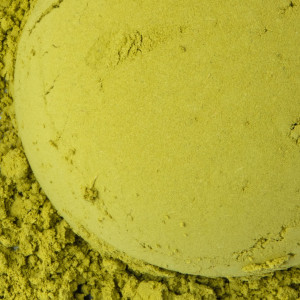
Matcha Aura Organic
Matcha Aura Organic is a finely milled green tea powder crafted for the perfect organic matcha latte.
€14.90Discover
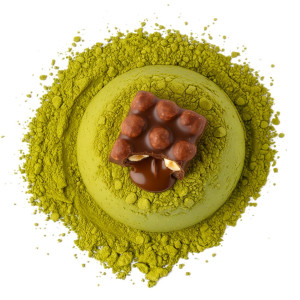
Chocolate Hazelnut Matcha Latte
Chocolate hazelnut matcha latte, also loved as a hazelnut milk matcha, brings together matcha green tea powder with warm, indul…
€18.90Discover
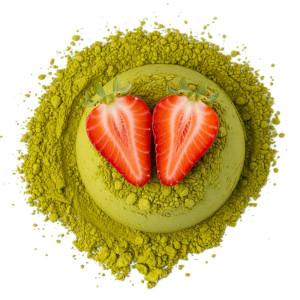
Strawberry Matcha Latte
Strawberry matcha latte, also loved as a strawberry matcha or matcha with strawberry, brings together the gentle vegetal depth …
€18.90Discover