Cold Brew Tea: How to Make Cold Brew at Home
In just a few years, cold brew tea has become the go-to method for tea lovers who want a iced tea with pure, delicate aromas. Cold infusion changes everything: less bitterness, more smoothness, more freshness. Here is our complete guide to making a great cold brew at home, effortlessly.
What is cold brew tea?

Cold brew is a tea preparation technique in which tea leaves are steeped in cold water for several hours. Unlike the classic hot method, this approach slowly draws out the aromas while leaving behind the bitter tannins released by hot water.
The result: an incredibly smooth, thirst-quenching iced tea with a surprisingly lingering finish. The aromatic profile is quite different from the same tea prepared hot and then chilled.
Why is cold brew so popular?
Several things have fuelled the enthusiasm:
- Zero bitterness: no tannins extracted, no heat involved.
- Maximum preservation of delicate polyphenols and antioxidants.
- Lower caffeine content (30 to 50% less).
- No special equipment needed: just a carafe in the fridge.
- Perfect for summer or offices with no kettle.
- Prepare it the evening before and it is ready the next day.
Which teas work best for cold brew?

All teas can be cold-brewed, but some are particularly well suited:
Green tea
Green tea truly shines in cold brew. There is no risk of excessive bitterness as there can be with hot water. Sencha, Genmaicha and Gunpowder all give excellent results.
White tea
Very subtle, white tea comes into its own in cold brew. Delicate, naturally slightly sweet and completely bitterness-free. Bai Mu Dan or Silver Needle are perfect choices.
Black tea
Black tea produces a fuller-bodied, fruitier cold brew. Earl Grey, Darjeeling first flush, Yunnan: all are delicious as a cold infusion.
Herbal infusions
Hibiscus, mint, Rooibos, ginger: herbal infusions are wonderful in cold brew. Mint in particular is softer and more fragrant cold than hot.
Oolong
Less commonly cold-brewed, Oolong nonetheless delivers a remarkable aromatic complexity. Well worth trying.
Cold brew tea: a step-by-step recipe

Equipment and ingredients (makes 1 litre)
- A large 1.5-litre glass carafe
- 1 litre of filtered water at room temperature or cold from the fridge
- 10g of loose-leaf tea (about 5 teaspoons)
- A large-format tea infuser or an empty tea bag
Step 1: measure the tea
Place 10g of loose-leaf tea into the infuser or a large empty tea bag. Standard ratio: 1g of tea per 100ml of water. Increase to 1.5g per 100ml for a fuller-bodied brew.
Step 2: add cold water
Pour cold water or water at room temperature over the tea. NEVER use hot water: it defeats the whole purpose of cold brew.
Step 3: refrigerate
Cover the carafe and place it in the refrigerator. Steeping times by tea type:
- Green tea: 4 to 6 hours
- White tea: 6 to 8 hours
- Black tea: 6 to 10 hours
- Oolong: 6 to 8 hours
- Herbal infusions: 4 to 8 hours (depending on the plant)
Step 4: remove the tea and enjoy
When the time is up, remove the infuser or bag. Serve straight away or keep in the fridge for up to 48 hours. Enjoy as is, over ice, or with a handful of fresh fruit.
Variations and creative ideas
Cold brew tea with fruit
Add directly to the carafe: lemon slices, rounds of fresh ginger, strawberries, raspberries, peaches or apple. The fruit infuses alongside the tea.
Cold brew tea with fresh herbs
A sprig of basil, rosemary, mint or thyme brings a surprising culinary dimension. Particularly lovely with green tea or Rooibos.
Cold brew tea with flowers
Dried lavender, jasmine flowers, hibiscus: one teaspoon added to the carafe gives a floral cold brew that is very much on trend.
Cold brew vs classic iced tea: what is the difference?
| Criterion | Cold brew | Hot brew, then chilled |
|---|---|---|
| Time | 4-10h (hands-off) | 15 min + cooling time |
| Bitterness | None | Possible |
| Caffeine | Reduced | Standard |
| Aromas | Smooth, complex | Bright, sometimes tannic |
| Convenience | Prepare the night before | Ready immediately |
Storage and tips
Cold brew tea keeps for 48 hours in the refrigerator in an airtight container. Beyond that, the aromas begin to oxidise and the flavour fades. Make it in the morning for the day ahead, or in the evening for the next day.
A handy trick: prepare two carafes at the same time, one to drink and one still steeping for tomorrow. You will always have cold brew on hand without even thinking about it.
Our T&T selection for cold brew
Browse our selection of organic green teas, ideal for cold brew. Our organic Japanese Sencha is particularly well suited. For caffeine-free iced tea, our organic Rooibos teas make naturally smooth and gently sweet cold brews.
Frequently asked questions
Does cold brew tea contain less caffeine?
Yes, around 30 to 50% less than the same tea prepared hot. Cold water simply extracts less caffeine than hot water. A good option for enjoying tea without the buzz.
Can you make cold brew with tea bags?
You can, but the result is less flavourful than with loose-leaf tea. Whole leaves unfurl more freely in cold water and release more aroma.
Does cold brew need to be sweetened?
Usually not: the natural sweetness of the aromas is enough on its own. If you do prefer it sweet, use a simple syrup prepared in advance, as granulated sugar will not dissolve in cold water.
Cold brew tea and weight management?
It is a zero-calorie drink when unsweetened, hydrating and rich in antioxidants. A great alternative to soft drinks as part of a balanced diet. Not a miracle fat-burner, though.
Can you boil the water to save time and then let it cool?
No, that defeats the whole point of cold brew. Hot water extracts bitter tannins and caffeine. Always start with cold or room-temperature water.
Also worth discovering
-
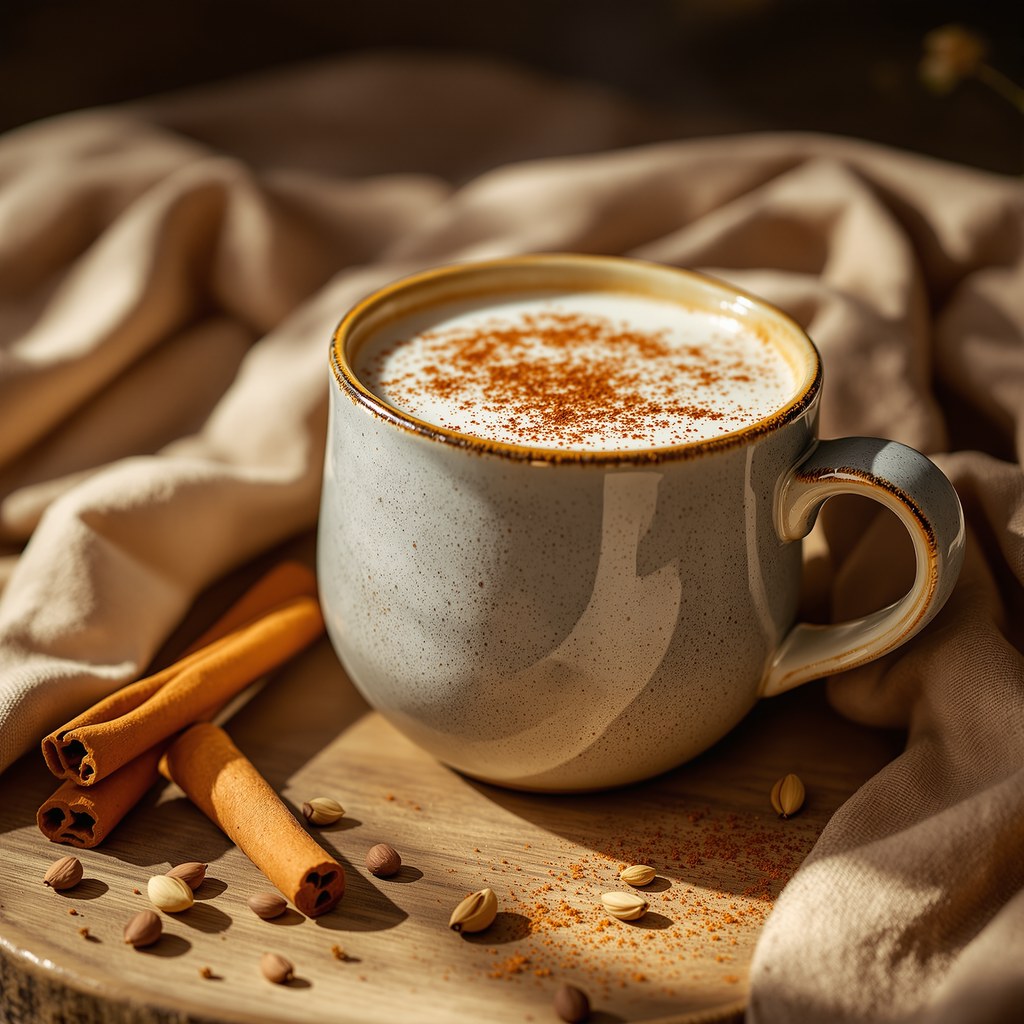
Chai latte: a homemade recipe with tea and spices
Black tea, Indian spices, frothy milk: the complete guide to homemade chai latte, with quick, iced, and caffeine-free…
Read -
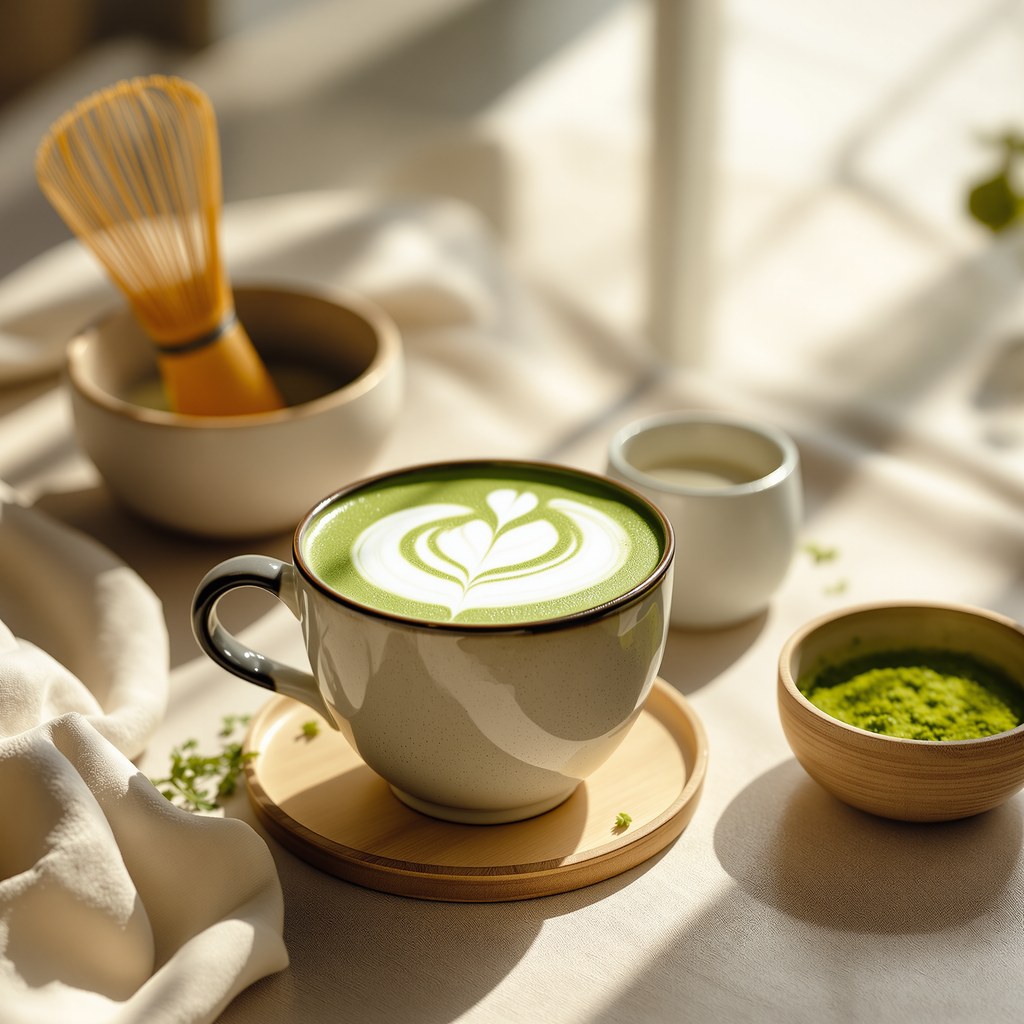
Matcha latte: the homemade recipe, hot or iced
Ratios, temperature and whisking technique: the homemade matcha latte recipe with no lumps, hot or iced, with its…
Read -

Golden latte: the homemade golden milk recipe with turmeric
Turmeric, ginger, cinnamon and warm milk: the homemade golden latte recipe, a caffeine-free golden drink perfect for…
Read