When to Drink Green Tea: Best Times and Tips

In brief: Green tea is best enjoyed between meals, at least 30 minutes to an hour apart. Its caffeine content means you should avoid it after 4 pm if you are caffeine-sensitive. Stick to 3 or 4 cups a day, and skip it during meals to protect iron absorption.
You have your green tea caddy open on the counter, and the same question comes up every day: when is the right time to brew it, so you can enjoy its full aroma without disrupting your sleep or digestion? The answer depends on your rhythm, your caffeine sensitivity and what you eat. This guide brings together what we know today about the best times to drink green tea.
Our everyday favourite: organic Sencha green tea, fresh and vegetal, perfect for morning and afternoon breaks alike. For a fuller-bodied Chinese classic, try Gunpowder, or our mint green tea, blended with Sencha and pure spearmint, with no added flavourings.
Ready to brew? Browse our loose-leaf organic green tea selection, from Japanese Sencha to Chinese Gunpowder, with brewing guidance for every variety.
Green tea in the morning: a good idea on an empty stomach?
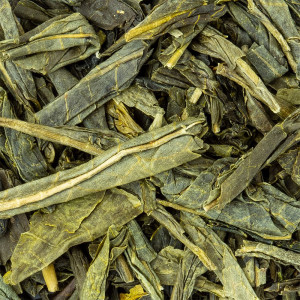 Sencha Green Tea€6.50
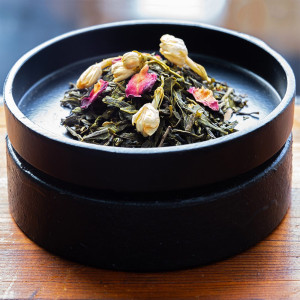 Tokyo Nights Green Tea€7.90
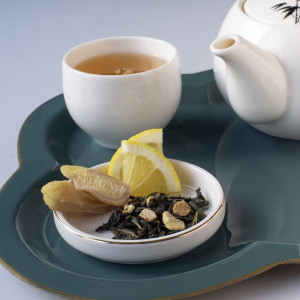 Yangtze Green Tea€7.90
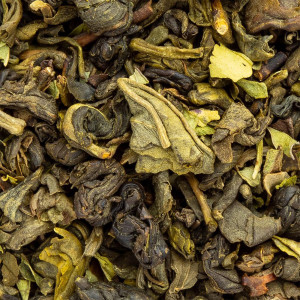 Marrakech Mint Green Tea€8.70
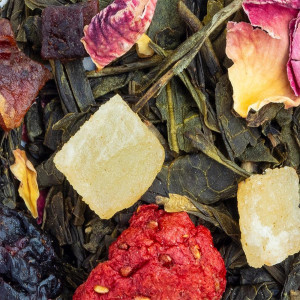 Good Mood Green Tea€7.90
Morning is probably when most people reach for green tea. On an empty stomach, it offers a gentle wake-up call thanks to its caffeine (the theine in tea is chemically identical to caffeine, but its release is more gradual thanks to the L-theanine naturally present in the leaf). Drinking green tea on an empty stomach is generally well tolerated, though some sensitive individuals may notice mild acidity or slight nausea.
If that sounds familiar, wait until after breakfast or drink a glass of water first. Morning rehydration works best with plain water rather than an infusion, which contains active compounds alongside the water itself. Green tea is still a great choice afterwards, ideally 30 minutes before or after eating to support nutrient absorption (more on that below).
Green tea in the afternoon: the ideal break
The afternoon window, between 2 pm and 4 pm, is the most versatile time for green tea. You sidestep any impact on sleep, you meet the mid-afternoon energy dip head-on, and caffeine reaches its peak plasma concentration within 30 to 45 minutes, according to reference pharmacokinetic studies. Those 5 to 10 minutes spent around the infusion are worth something in themselves: slowing down, breathing, watching the colour of the liquor settle in the cup.
Vary your teas with your mood. A Japanese Sencha is light and fresh, a Chinese Long Jing more vegetal and toasted, and a bowl of matcha delivers a more concentrated hit of antioxidants when you need an energy boost.
Green tea in the evening: possible, with a few ground rules
The question comes up often: can you drink green tea in the evening? Yes, provided you know your caffeine sensitivity and use a couple of simple techniques. Green tea contains an average of 20 to 35 mg of caffeine per 250 ml cup, roughly half to a third of a single espresso. The L-theanine alongside it softens that effect, but does not eliminate it.
A few approaches to reduce the stimulating effect:
- First infusion short (30 seconds), water discarded: a significant portion of the caffeine, which is more soluble than the aromatic compounds, is removed with that first water. The second infusion (3 minutes) is noticeably less stimulating.
- Cooler water (70 to 75 °C): extracts less caffeine and preserves the roundness of the liquor.
- Stop after 4 pm if you are sensitive: the half-life of caffeine is 5 to 6 hours in a healthy adult. At 6 pm, half the caffeine from a 4 pm cup is still active.
For an evening ritual without caffeine, switch to a soothing herbal infusion made with verbena, chamomile or linden blossom.
With meals or between meals: why timing matters
Drinking tea with a meal is a widespread habit, especially across Asia. Western science has, however, identified one point worth noting: tea tannins can reduce the absorption of non-haem iron (iron from plant-based sources). A meta-analysis published in the American Journal of Clinical Nutrition put a figure on this: up to a 60% reduction in absorption over a single meal, with no impact on iron stores in a healthy, non-deficient adult.
In practical terms:
- If you are in good health with no iron deficiency, drinking tea with meals is not harmful.
- If you are anaemic, pregnant, vegetarian or vegan, wait at least 1 hour after eating.
- For digestion, a cup at the end of a meal can support digestive comfort (feelings of heaviness, mild bloating).
- 30 to 60 minutes before a meal, tea can accompany a feeling of fullness, though it is no substitute for a balanced nutritional approach.
How many cups a day?
The EFSA considers that a daily caffeine intake of up to 400 mg poses no health risk for healthy adults, the equivalent of roughly 8 to 10 cups of green tea. Most recommendations place the optimal intake at 3 to 5 cups per day, which allows you to benefit from the polyphenols without overdoing it.
A few reference points:
- 3 cups/day: a healthy intake for an adult, sufficient to benefit from the active compounds.
- 5 cups/day: the threshold beyond which restlessness, sleep disruption or gastric irritation is sometimes observed.
- Cut back if you also drink coffee: your total daily caffeine intake matters more than the tea alone.
Hot tea when it is hot outside: why it works
An instinct the Tuareg have followed for centuries, and one that physiology confirms: drinking something hot in hot weather helps you cool down. A hot drink (around 50 to 55 °C by the time it reaches your mouth) triggers mild perspiration, which cools the body as it evaporates. That said, this only works in a dry environment where sweat can freely evaporate. In humid heat, an iced tea will be more immediately effective. Our homemade iced tea guide walks you through the cold-brew technique.
Precautions and contraindications
Green tea is generally well tolerated, but a few situations call for extra care:
- Pregnancy and breastfeeding: limit yourself to 1 or 2 cups per day. Caffeine crosses the placenta and passes into breast milk.
- Iron-deficiency anaemia: avoid tea with meals that are rich in plant-based iron.
- Sleep disorders: stop after 2 pm if you are particularly sensitive.
- Anticoagulant or antihypertensive medication: interactions are possible; mention your consumption to your doctor.
- Liver conditions: cases of hepatotoxicity have been reported with concentrated green tea extracts (supplements), not with regular infusions. The ANSES clarified the limits on this in 2018.
Disclaimer: the information in this article is for educational purposes only and does not replace medical advice. If you have a medical condition, are pregnant or breastfeeding, or are taking medication, consult your doctor or pharmacist before changing your tea consumption. Green tea infusions are not medicines.
Sources: EFSA Scientific Opinion on the safety of caffeine (2015) · Hurrell R.F., American Journal of Clinical Nutrition (PMID:16928473) · ANSES, opinion on green tea-based food supplements (2018) · European Food Safety Authority, opinion on green tea catechins (2018).
Written by
Julien Huot, founder of Thés & Traditions. Tea selector since 2016, trained in tasting and passionate about sharing the cultures of tea and botanical infusions.
Published 14 March 2019 · Updated 21 May 2026
Frequently asked questions
- The afternoon window between 2 pm and 4 pm is the most versatile. Morning is also excellent if you tolerate it on an empty stomach. Avoid drinking it with meals if you are sensitive to iron absorption effects.
- Yes, within a limit of 3 to 5 cups per day, which aligns with recommended intake for a healthy adult. Going beyond that brings no additional benefit and may cause restlessness or sleep disruption.
- It can interfere with falling asleep in people who are sensitive to caffeine, especially when consumed after 4 pm. With a caffeine half-life of 5 to 6 hours, a cup at 5 pm is still partially active at 11 pm.
- Hot green tea (water at 75–80 °C) releases more aroma and polyphenols. Cold-brewed green tea gives a smoother, less bitter, lower-caffeine drink. Both have their merits depending on the moment.
Go further
Want to deepen your knowledge of green tea? Read our guide to brewing green tea well, explore the studied benefits of green tea, or browse our complete green tea dossier. And to put it all into practice, discover our range of organic green teas.
For a refreshing break, explore our iced tea range, from fruity to minty.
And for the Moroccan tea ritual, our loose-leaf mint green tea is ready to brew.
Tempted to try it?
Our selection related to this article, loose leaf and organic.
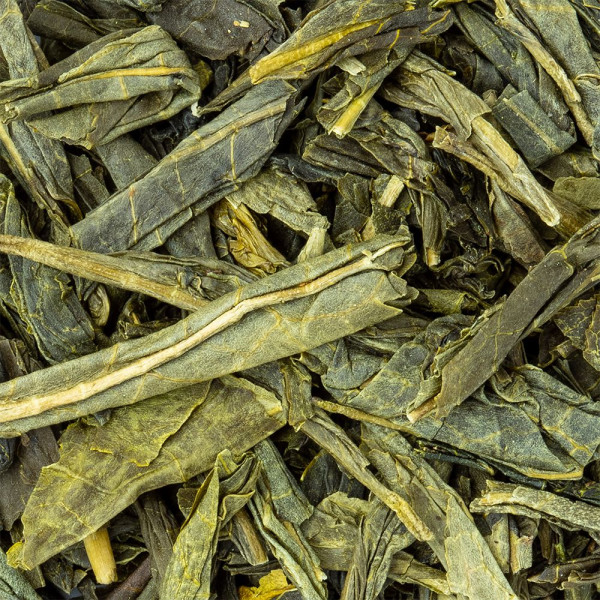
Sencha Green Tea
Organic Sencha is a timeless staple in China and Japan, where it is enjoyed daily.
€6.50Discover
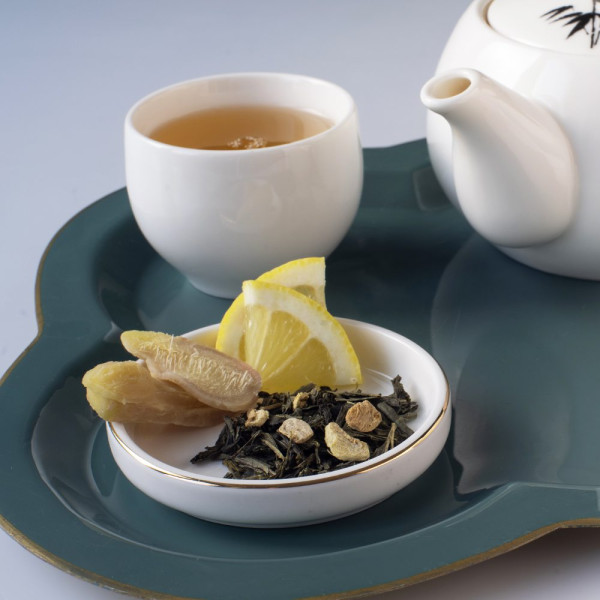
Yangtze Green Tea
Organic Yangtze green tea brings together a delicate Sencha with the brightness of lemon and the warmth of ginger.
€7.90Discover
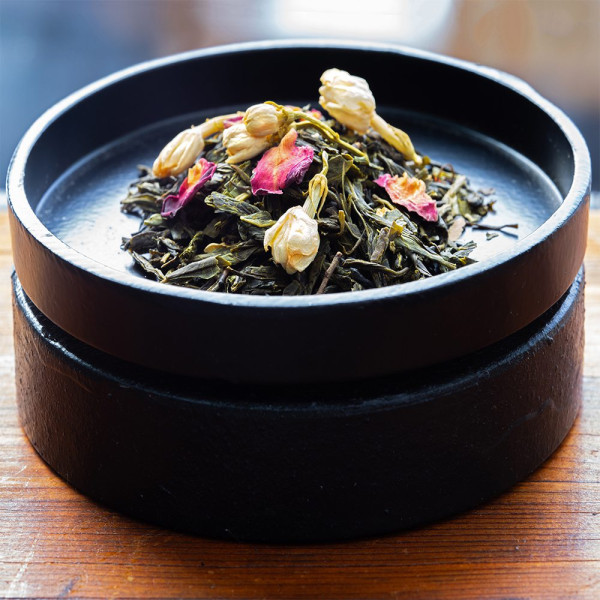
Tokyo Nights Green Tea
Tokyo Nights Green Tea: a floral, indulgent blend of Sencha, Chun Mee and jasmine green tea, lifted by rose petals and notes of…
€7.90Discover