Flat Belly Herbal Tea: 5 Plants for Digestive Comfort

In brief: No herbal infusion can burn abdominal fat, but certain carminative plants (fennel, anise, cumin, peppermint) are traditionally enjoyed as an after-meal infusion, for a moment of comfort and lightness. That sense of well-being is what most people are actually looking for. Use 1 teaspoon per 250 ml cup, steep for 8 to 10 minutes, 2 to 3 times a day after meals.
The "flat belly" herbal infusion is one of the great marketing classics in the herbal tea aisle. Before we dive in, it's worth distinguishing two very different things: abdominal fat (adipose tissue) and digestive bloating (gas, water retention). No herbal infusion melts the first. Several plants are, however, traditionally associated with that after-meal moment, and that's where a good infusion naturally finds its place.
Flat belly or less bloated: what's the difference?
The sensation of a bloated belly can have several causes, most of which have nothing to do with fat:
- Intestinal gas: food fermentation, intolerances, certain types of fibre.
- Water retention: hormonal (before your period), dietary (salt), medication-related.
- Slow digestion: overly large or late meals, stress.
- Constipation: sluggish transit, insufficient hydration.
Herbal infusions are traditionally enjoyed in these everyday moments. For abdominal fat, the solution remains a sustained caloric deficit supported by diet and physical activity. For a broader overview, see our weight-loss herbal tea guide.
Carminative plants: a digestive tradition
So-called carminative plants are traditionally served as an after-meal infusion. Here are the best known, whose long-standing use is documented by the EMA:
- Fennel (Foeniculum vulgare): a plant traditionally enjoyed as an infusion, with a gentle aniseed flavour found in many cultures.
- Anise (Pimpinella anisum): an aromatic plant traditionally enjoyed as an after-meal infusion.
- Cumin and caraway: spices with traditional culinary uses, prized for their warm aroma.
- Peppermint (Mentha x piperita): a plant with a bright, minty aroma, traditionally served at the end of a meal.
Plants traditionally known as "draining"
Some plants are traditionally associated with feeling lighter:
- Dandelion (Taraxacum officinale): leaf and root, with its characteristic bitter flavour and long-standing traditional use.
- Cherry stem: a plant of traditional use, as an infusion over a few days.
- Nettle: with its green, vegetal flavour, traditionally enjoyed as an infusion. See our nettle guide.
- Hibiscus: with its lovely ruby colour and refreshing tartness. See our hibiscus guide.
A note of caution: prolonged draining can disrupt your mineral balance. The ANSES recommends limiting courses of draining plants to 2 or 3 weeks, with an equal break in between.
A classic "flat belly" recipe
A traditional blend combines both approaches:
- Fennel (50%) + peppermint (25%) + verbena (25%).
- 1 tablespoon of the blend per 250 ml cup.
- Near-boiling water (95°C), steep for 10 minutes with the cup covered.
- One cup 15 to 30 minutes after each meal.
Good habits beyond herbal infusions
Herbal infusions are just one piece of the puzzle. To feel better in your body day to day, several other factors matter far more:
- Hydration: 1.5 to 2 litres of plain water a day to support digestion.
- Physical activity: walking, stretching, deep abdominal exercises.
- Diet: reducing fermentable foods (FODMAPs) for chronic bloating, cutting back on salt for water retention.
- Sleep and stress management: cortisol influences abdominal retention.
- Chewing: taking the time to chew properly reduces the amount of air swallowed.
Precautions and contraindications
- Pregnancy: avoid intensive draining plants. Fennel in a moderate infusion is generally considered safe, but check with your midwife.
- Breastfeeding: fennel is traditionally used by new mothers.
- Heart or kidney conditions: prolonged draining can disrupt the hydro-electrolyte balance. Seek medical advice beforehand.
- Acid reflux: peppermint can paradoxically worsen GERD. Opt for fennel or anise instead.
- Persistent symptoms: chronic bloating can signal an intolerance, an infection or an underlying condition. See your doctor if symptoms persist beyond 2 weeks.
Disclaimer: the information in this article is for educational purposes only and replaces neither a balanced diet nor medical advice. Chronic bloating, abdominal pain or changes in bowel habits should be assessed by a healthcare professional. Herbal infusions are not medicines.
Sources: European Medicines Agency, Community herbal monographs (Foeniculum vulgare, Pimpinella anisum, Mentha piperita) · Anheyer D. et al., Pediatrics on fennel and infant colic (PMID:29110636) · ANSES, recommendations on diuretic plants in infusion.
Written by
Julien Huot, founder of Thés & Traditions. Tea selector since 2016, trained in tasting and passionate about sharing the cultures of tea and botanical infusions.
Published 19 June 2019 · Updated 21 May 2026
Frequently asked questions
- No herbal infusion burns fat. For a comforting moment after your meal, a fennel, peppermint and verbena infusion is the most classic pairing.
- Not directly. It can support a broader approach (diet, exercise, hydration) by offering a moment of pause and comfort after meals.
- Everyone experiences it differently; an infusion is above all enjoyed for the moment of relaxation it offers, day after day.
- Fennel and verbena in reasonable amounts are generally well tolerated. Avoid intensive draining plants. Ask your midwife.
Go further
To explore more, read our digestive herbal tea guide, browse our detox herbal tea guide, or visit our weight-loss herbal tea guide. Ready to try? Explore our organic range.
Tempted to try it?
Our selection related to this article, loose leaf and organic.
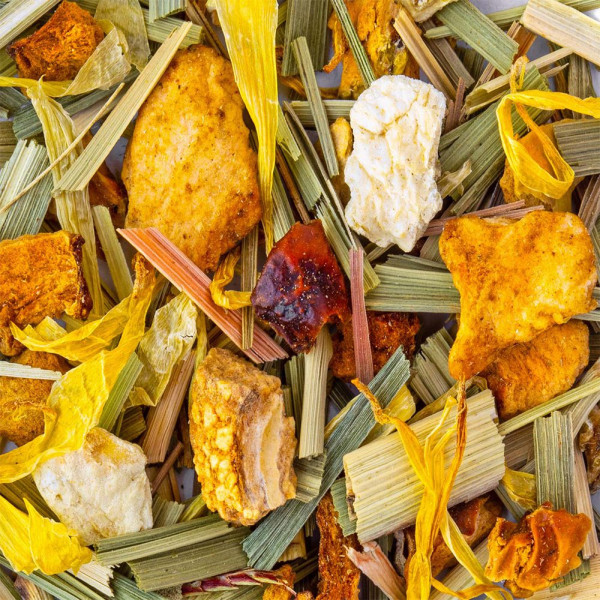
Lemon Basil Herbal Infusion
Organic lemon basil herbal infusion brings together the bright, zesty freshness of lemon and the delicate herbaceous character …
€7.20Discover
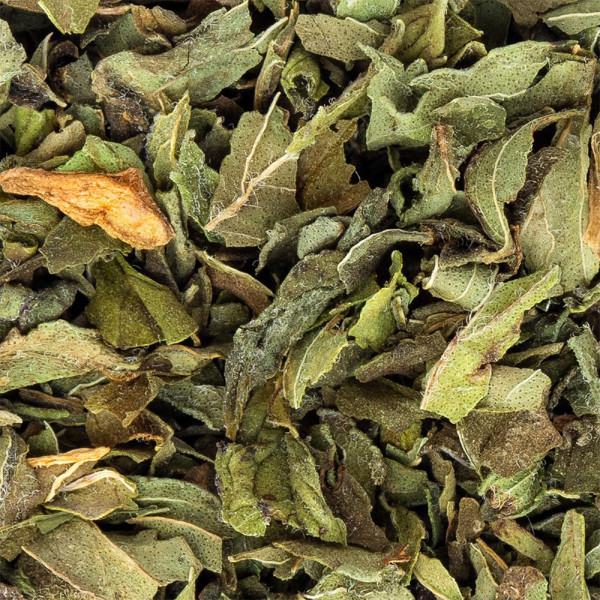
Organic Peppermint Herbal Infusion
Organic peppermint herbal infusion, also known as a peppermint infusion, delivers an intense menthol freshness and well-known d…
€5.90Discover