 Green Tea


Organic
 Main Note:
Pure
Main Note:
Pure
Organic Sencha is a timeless staple in China and Japan, where it is enjoyed daily. It offers a delicate, light, and subtly nuanced flavour. Harvested during the tender spring flush, it is recognised by its long, slender green leaves, which yield a beautiful golden-yellow infusion in your cup.
Organic Sencha is a pleasure at any time of day, the quintessential vegetal green tea. Naturally rich and beautifully balanced.
our expertise


In our workshop in Provence, each blend is handcrafted with passion by our team.
Real pieces of dried fruit, whole plants and carefully selected teas of origin.
Carefully crafted to create unforgettable tasting moments. A signature taste, an authentic experience.
In brief: our organic Sencha (Chinese style) is a fresh, vegetal green tea inspired by the great Japanese classic. Brew at 70-80°C for 2 to 3 minutes, and enjoy multiple infusions from the same leaves.
Loved for its fresh, vegetal character, this green tea is one of the most iconic varieties in the world. Grown from Camellia sinensis and brewed as whole leaf, it naturally contains polyphenols and antioxidants, offering a refreshing cup with a well-balanced flavour. To make the most of everything it has to offer, choose a quality organic Sencha, carefully selected and properly stored. Many variations exist, all sharing that characteristic green colour, with different flavour profiles and price points. Among the other great classics, you'll also find Gyokuro, Matcha, Kabusecha, Bancha, and Sencha Matcha. Our tea typically contains fewer amino acids than Matcha and Gyokuro, and its caffeine content is often more moderate than that of black tea.
This green tea traces its roots to Japan in the 18th century. The Japanese "Sencha" method was developed around 1738 by Nagatani Soen, in the terroir of Uji, near Kyoto. It is a distinctive production technique: freshly picked tea leaves are steamed to halt oxidation, then rolled into fine needles before drying. This process preserves the leaves' deep colour and vegetal flavour. In Japan, consumption spread widely from the 18th century onward, making it the quintessential everyday tea, enjoyed in every home, from the tea houses of Uji to the households of Shizuoka and Kyushu. Today, this classic remains the most popular loose-leaf tea in Japan, though its reputation has long since crossed borders, reaching China, France, and beyond.
Our organic Sencha green tea is a Chinese interpretation of the great Japanese classic, cultivated using the traditional steaming method, but sourced from a carefully selected Chinese terroir known for its mild, humid climate. This approach makes it more accessible than teas sourced directly from Japan, while staying true to the signature vegetal aroma and characteristic colour. Our leaves, grown using organic farming methods, are harvested at the first spring picking, then steamed within hours to lock in freshness and nutrients. The result is the gentle sweetness, subtle umami, and refreshing character that define this tea, at a gentle price point and with an organic commitment that many Japanese references simply cannot offer. For those who prefer a tea sourced directly from Japan, we also carry a Japanese Sencha.
Like all green teas, this classic naturally contains polyphenols, commonly known as antioxidants. These compounds are studied in scientific literature for their role in cell protection and combating oxidative ageing (sources: EFSA Journal 2011 ID 1278; ANSES). Our tea also provides catechins (including EGCG), which contribute to supporting the benefits associated with green tea. Its moderate caffeine content acts as a natural stimulant: it may help improve alertness and concentration, offering a gentle energy boost without the jitteriness of coffee (source: EFSA ID 736). A quality cup also delivers, in varying amounts, naturally occurring compounds found in the leaf (minerals and other micronutrients). In China and Japan, this tea is traditionally enjoyed daily, first and foremost for the pleasure and balance of a calm daily routine. It is also appreciated by athletes for its role in recovery and hydration after exercise.
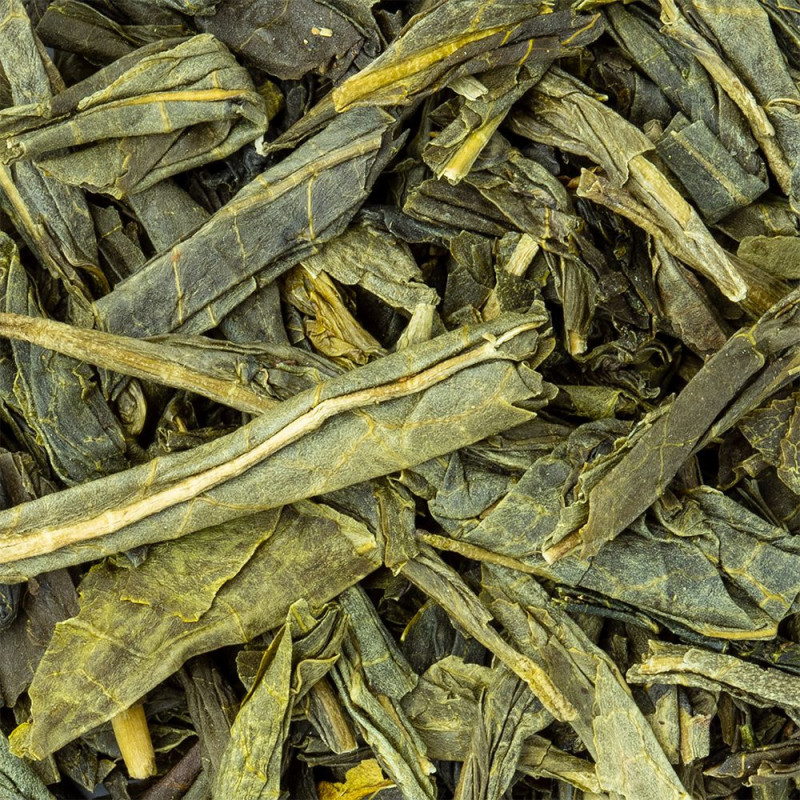
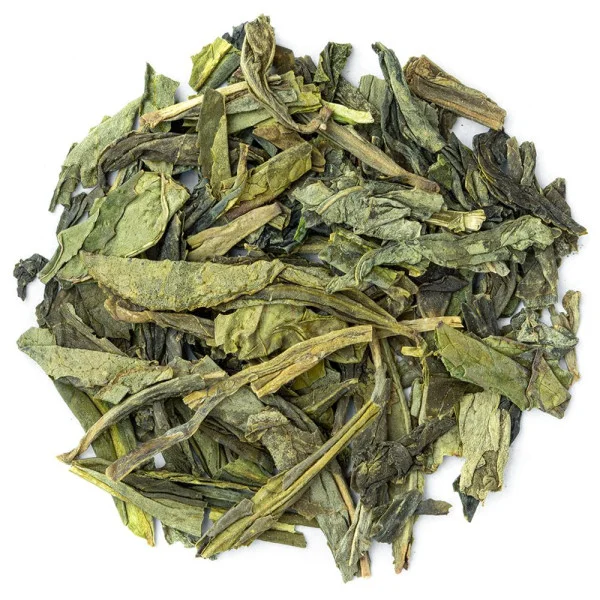
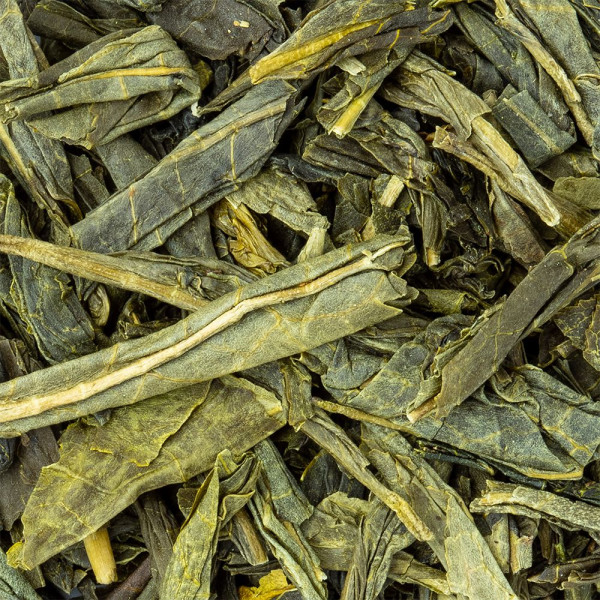
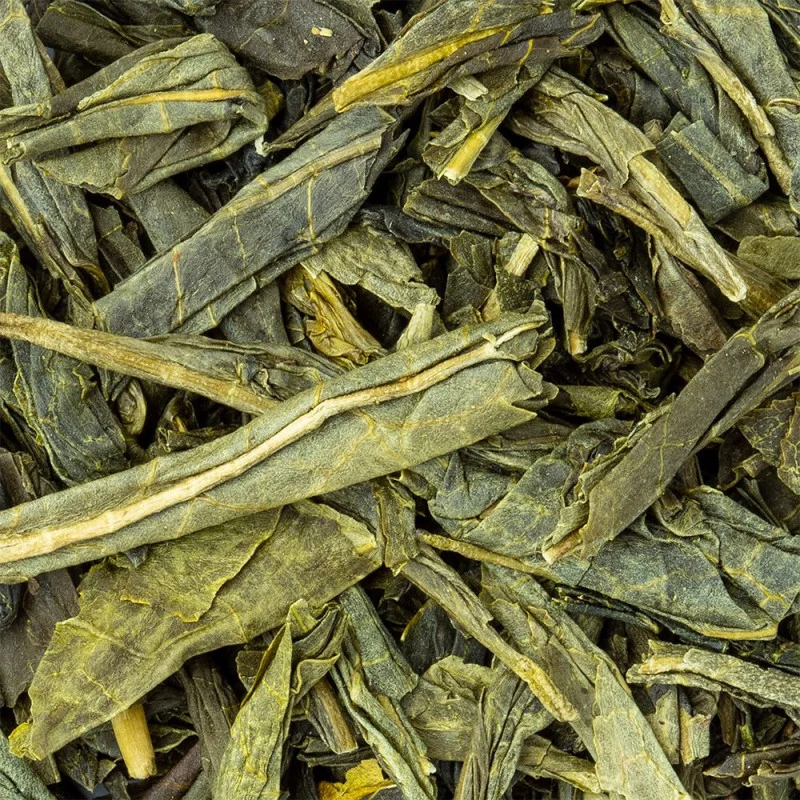
This tea is recognisable by its fine needle-shaped leaves, perfectly rolled and a deep, almost emerald green. Once brewed, it yields a clear liquor with golden-yellow glints, sometimes greener in premium grades. The dominant aroma is distinctly vegetal and fresh, with notes of young shoots and sea vegetable, sometimes a hint of umami. On the palate, it moves between softness, brightness, and a light astringency on the finish, never aggressively bitter when the water temperature is respected. Depending on the cultivar and terroir, you may also detect notes of fresh fruit, white flowers, or vegetable broth. Our Sencha is a particularly expressive tea, ideal for those seeking an authentic green tea with more character than a Bancha, yet more approachable than a ceremonial organic Matcha.
The preparation is straightforward, but a little precision goes a long way in revealing its full potential. Use filtered, low-mineral water, and ideally brew in a Japanese kyusu teapot or a porcelain teapot. To preserve the delicate aromas, enjoy this tea plain, without sugar, honey, or milk. Both the Chinese and Japanese brewing methods suit this variety: pour the hot water over the leaves, allow to infuse, then strain gently.
For a well-balanced infusion, use 12 to 15 g of leaves per litre of water. In practice, that's around 2 teaspoons for 2 cups. Adjust to taste: a lighter measure will produce a gentler brew, perfect if you're just starting out.
The ideal water temperature is between 70 and 80°C, never boiling. Water that is too hot accentuates bitterness and astringency, releases too many tannins, and disrupts the aromatic balance. Pour over the leaves and steep for 2 to 3 minutes, no longer. For a second infusion, the water can be slightly hotter (80°C) and the steeping time reduced to 1 minute, revealing new facets of the cup.
Our organic Sencha can be enjoyed at any time of day. In the morning for a gentle start, mid-morning, after lunch to aid digestion, or mid-afternoon for a lift. Its caffeine content is often lower than that of coffee and black tea. If you are sensitive to caffeine, avoid drinking it too late in the evening and adjust the quantity to suit your habits. Athletes also appreciate a chilled cup for post-exercise recovery.
Under this name lies a broad family of varieties, each with its own personality. Shincha (spring green tea), harvested at the year's very first picking, offers unmatched freshness and maximum aromatic concentration. The organic version represents pesticide-free cultivation, ideal for enjoying all the benefits of green tea. Several Japanese regions are renowned for this tea, notably Uji, Shizuoka and Kyushu, each bringing its own terroir and cultivar (Yabukita being the most common). Beyond the pure tea, you'll also find flavoured variations such as Christmas Sencha and Nectarine Sencha, as well as premium versions like Sencha Konomi. Sencha Matcha, a blend of rolled leaves and Matcha powder, is a particularly popular variation prized for its aromatic intensity.
To preserve the full freshness of your loose-leaf organic green tea, store it in an airtight container, away from light, moisture, strong odours, and heat. Our 100 g resealable zip pouch already provides excellent first-line protection. For longer storage, transfer the leaves to an opaque metal tin or a ceramic tea caddy. The optimal shelf life is around 12 to 18 months after opening, during which your cup will retain its vegetal aromatic profile and beautiful green colour. Avoid storing your tea near coffee or spices, which could compromise the purity of its aromas.
Loose-leaf tea is often more aromatic than bagged versions, as the leaves are less fragmented and retain their whole form. This integrity helps preserve the aromas and freshness throughout. Our organic Sencha is hand-packaged in our Provence workshop in a resealable freshness pouch that limits oxidation. Buying by weight also lets you adjust the quantity to your needs, offering better value than individually wrapped tea bags. Grown using organic farming, this tea is cultivated without pesticides or chemicals, in keeping with environmental responsibility and tea-making tradition.
Gyokuro is shade-grown in the weeks before harvest, which increases its concentration of amino acids (umami) and chlorophyll. Our Sencha, by contrast, grows in full sun, giving it a more vegetal, fresh profile with a gentle astringency. Gyokuro is generally rarer and more expensive, while Sencha is the quintessential everyday tea.
Bancha is harvested later in the year from more mature leaves, giving it a milder flavour and lower caffeine content. Our Sencha, picked earlier from young shoots, is more aromatic and richer in antioxidants.
Like all green teas, it provides polyphenols and catechins, studied for cell protection and natural bodily balance. Its caffeine supports alertness and concentration, and it naturally fits into wellness routines and sports recovery (source: EFSA Journal 2011 ID 1278).
Yes, it lends itself particularly well to cold brewing. Steep 10 g of leaves in 1 litre of cold water for 2 to 4 hours in the refrigerator, then strain. The result is a smooth, refreshing cup with no bitterness, perfect for summer. It also makes an ideal base for plant-based lattes and culinary recipes.
A higher-quality tea features fine needle-shaped green leaves, free from excessive dust or breakage. The colour should be deep and uniform. Look for an organic version, ideally with a recent harvest date. The flavour should be vegetal and fresh, without aggressive bitterness. Customer reviews and testimonials are also a reliable way to gauge the reputation of a particular reference.
Order your organic Sencha green tea today and discover this great classic of Japanese and Chinese green teas. A cup that stands apart for its balance, perfect for everyday enjoyment, best savoured plain to appreciate its full character.


Rare green tea with fruity, sweet and delicately tart flavors


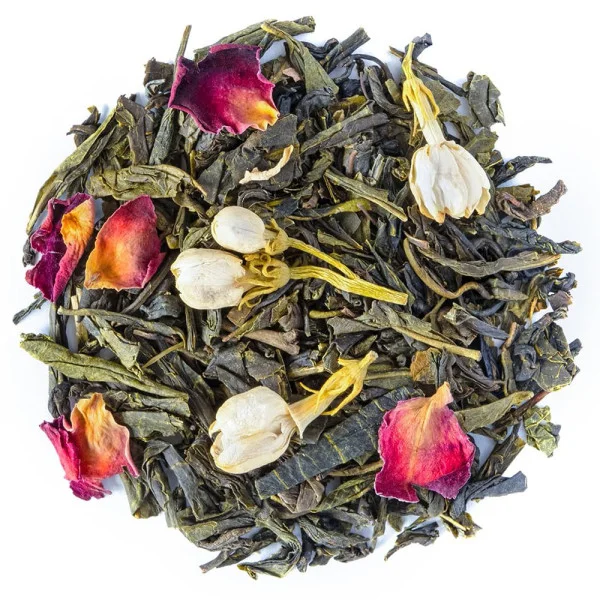
The freshness of jasmine and the exotic allure of lychee.
French House
Independent since 2016.
Fast delivery
Home delivery or click & collect.
Made with heart
In the south of France.
Customer service
A real voice at the end of the line,
Monday to Friday: 04 22 91 35 75.
Sharing, passing it on: our teas, our tips, the occasional unexpected idea, and little attentions just for you. Pure pleasure, ready to steep.