 Black Tea


Organic
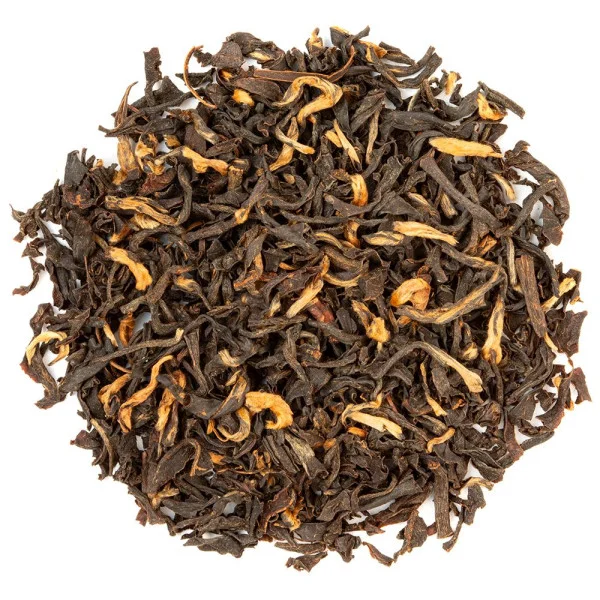
Assam SFTGFOP 1 Tonganagaon
Rare and precious Assam from Tonganagaon garden
 Main Note:
Pure
Main Note:
Pure
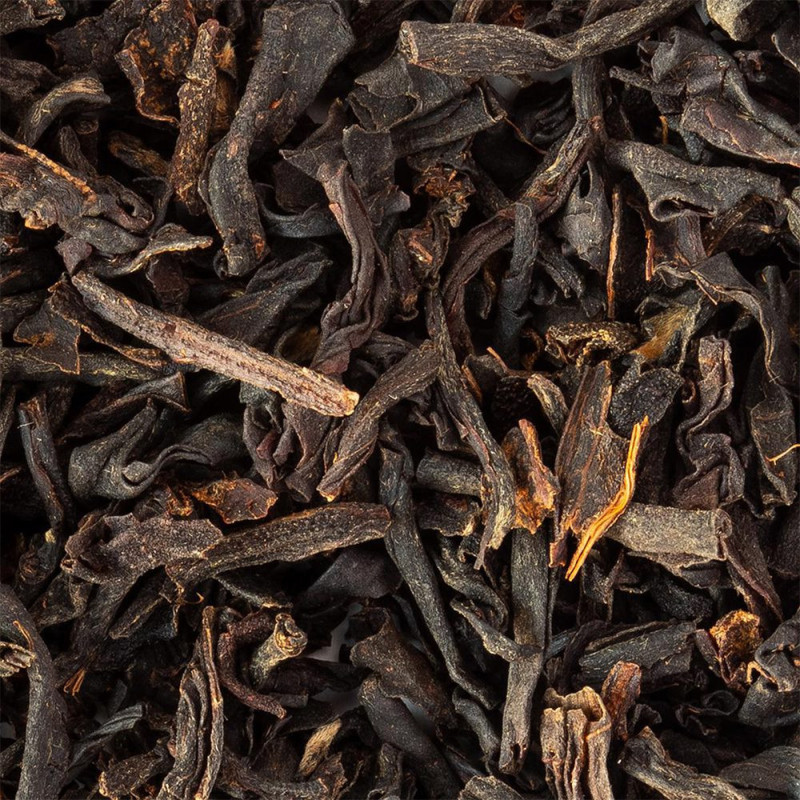
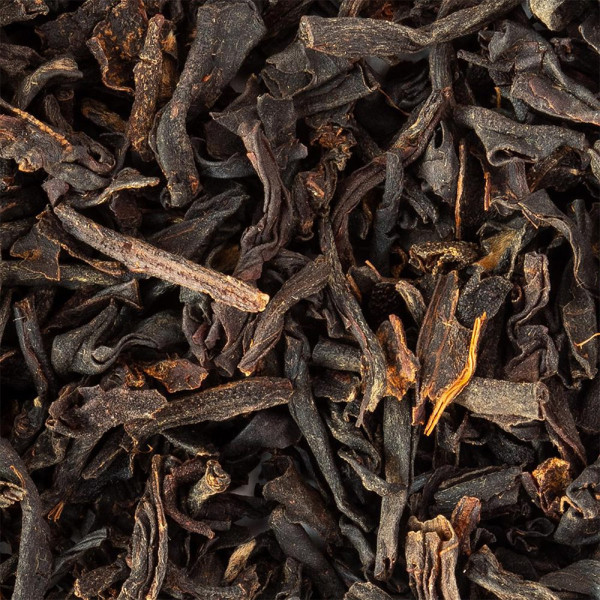
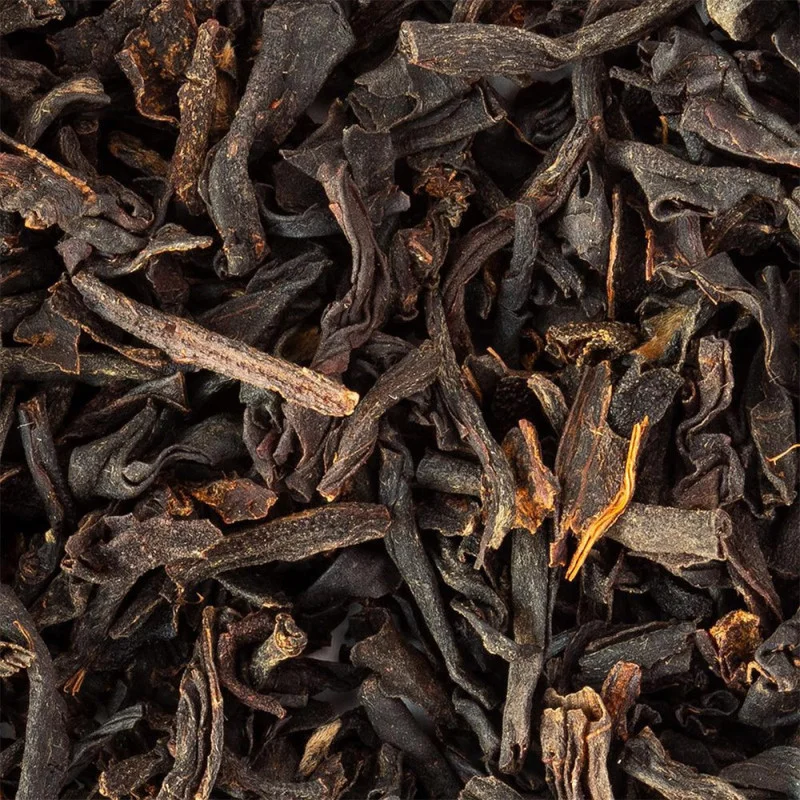
Our OP Jinjing black tea is an organic Chinese black tea from the Jinjing Valley in Hunan Province. Its whole leaves yield an amber, smooth and aromatic cup, perfect for a well-rounded, refreshing infusion you can enjoy at any time of day.
our expertise


In our workshop in Provence, each blend is handcrafted with passion by our team.
Real pieces of dried fruit, whole plants and carefully selected teas of origin.
Carefully crafted to create unforgettable tasting moments. A signature taste, an authentic experience.
At a glance: our organic OP Jinjing black tea comes from the Jinjing valley in China's Hunan province. Whole-leaf (OP grade), amber liquor, smooth and malty profile. Brewing: 100°C, 3 to 5 min, 13 g/L.
Among the great black teas from China, OP Jinjing holds a place of its own. It belongs to the Congou family, those Chinese teas crafted leaf by leaf, worlds apart from the bold, tannic broken-leaf styles of India.
Its copper-hued liquor, soft woody aroma and rounded mouthfeel make it an ideal introduction to the world of Chinese black tea. Enjoyed on its own, without milk or sugar, it reveals its full subtlety.
Julien, founder of the house, selected this organic harvest for its rare balance of malty smoothness and lingering finish. our flavoured black teas and explore the full range of single-origin teas we offer.
This Chinese tea stands out for its refined balance. Where some black teas favour power, OP Jinjing leans into roundness and elegance. The cup captivates from the first sniff, with warm woody and lightly malty notes.
Opening the packet, the leaves release a warming scent of dry wood with a touch of honey. The infusion opens gently on the palate, free of any harsh bitterness, making this a very approachable tea.
In the mid-palate, the tea unfolds its malty character, with the velvety roundness typical of great Congou teas. Hints of toasted bread, dried fruit and a whisper of light cocoa emerge, reminiscent, in a more delicate way, of some Yunnan teas.
The finish is long and almost honeyed, carrying a gentle woody warmth and a naturally sweet edge. This lingering quality is one of the hallmarks of fine Chinese black teas crafted from whole leaves.
If you enjoy this smooth, refined profile, you may also love our English Breakfast black tea, fuller-bodied, as well as our Darjeeling FTGFOP 1 first flush blend black tea, more floral and spring-like.
The Jinjing valley lies in Hunan province, in south-central China. This region is internationally recognised for its teas, on a par with neighbouring Yunnan or Fujian, the home of Lapsang Souchong and historic red teas.
The tea plants grow on rich soils along hillsides surrounded by mountains. The humid, misty climate slows the growth of the leaves, allowing them to develop a remarkable aromatic concentration. This slow growth is the key to a black tea that is both smooth and deep.
The grade OP stands for Orange Pekoe: it designates whole, long, well-rolled leaves with no broken pieces. It is a mark of quality that allows for a gradual infusion and a clear, bright liquor.
Our harvest is grown under certified organic farming, without pesticides or synthetic fertilisers. To explore the diversity of Chinese tea terroirs further, read our article on black teas from China and their distinctive characteristics.
Preparation shapes the entire tasting experience. A tea of this quality deserves a few minutes of care to reveal its full aromatic range. Here are the precise parameters recommended by our house.
Use low-mineral water, filtered if possible, brought to 100°C. Highly calcareous water will mask the tea's finesse and dull the liquor. Lightly mineralised spring water remains the best companion for fine teas.
Use 13 g of leaves per litre of water, roughly 2.5 to 3 g for a 250 mL cup. A generous measure lets you fully enjoy the tea's roundness without diluting it. Weighing your leaves rather than measuring by the spoonful gives the most consistent results.
Steep for 3 to 5 minutes depending on your preference. Three minutes yields a soft, fluid cup; five minutes gives a fuller infusion with more pronounced malty notes. Beyond 5 minutes, light tannins may begin to emerge.
Use a porcelain or glass teapot with a wide enough filter to allow the whole leaves to fully unfurl. Avoid tea balls, which compress the leaves and hinder proper extraction of the aromas. A Chinese gaiwan is also an excellent choice for a traditional tasting experience.
This tea is best enjoyed on its own, without milk or sugar, to preserve the balance intended by the producer. Its natural sweetness speaks for itself.
To preserve the full finesse of your OP Jinjing black tea, store it in an airtight, opaque container, away from light, moisture, heat and strong odours. Tea is highly sensitive to surrounding aromas, so avoid storing it near spices.
Stored in good conditions, this tea keeps for approximately 24 months without any notable loss of aroma. Packaged in small batches in our workshop, it is guaranteed fresh and true to its original sensory qualities.
What are the benefits of Chinese black tea?
Chinese black tea is appreciated for its smooth profile and conviviality. Brewed at 100°C, it makes a warming, comforting drink to enjoy throughout the day as part of a balanced diet and good hydration.
How do you prepare Chinese black tea?
Pour water at 100°C over 13 g of leaves per litre, then steep for 3 to 5 minutes. Use a porcelain or glass teapot with a wide filter. Enjoy on its own, without milk or sugar, to appreciate all the finesse of the tea.
What varieties of Chinese black tea are there?
China offers a remarkable diversity of black teas: Yunnan Golden Tips with its honeyed notes, the elegant and woody Keemun, the smoky Lapsang Souchong from Fujian, smooth and long-finishing Congou teas such as OP Jinjing, and fermented Pu-erh teas with their unique character.
Where can you buy Chinese black tea?
For a quality Chinese black tea, choose a specialist house that guarantees traceability, freshness and organic certification. Our selection of Chinese teas is available at Thés & Traditions, with whole leaves packaged in our own workshop.
What is the origin of Chinese black tea?
China is the historic birthplace of black tea, traditionally known there as "red tea" because of the copper colour of the liquor. The main producing provinces are Yunnan, Fujian, Anhui (Keemun) and Hunan, where our OP Jinjing originates.
To go further, explore the essential black teas according to experts or read our green tea vs. black tea comparison to find your ideal ritual. You can also learn more about black tea and its specific properties.

Rare and precious Assam from Tonganagaon garden

A sparkling, wild blend for pure indulgence


Tea with natural grapefruit, lemon and bergamot aromas
French House
Independent since 2016.
Fast delivery
Home delivery or click & collect.
Made with heart
In the south of France.
Customer service
A real voice at the end of the line,
Monday to Friday: 04 22 91 35 75.
Sharing, passing it on: our teas, our tips, the occasional unexpected idea, and little attentions just for you. Pure pleasure, ready to steep.