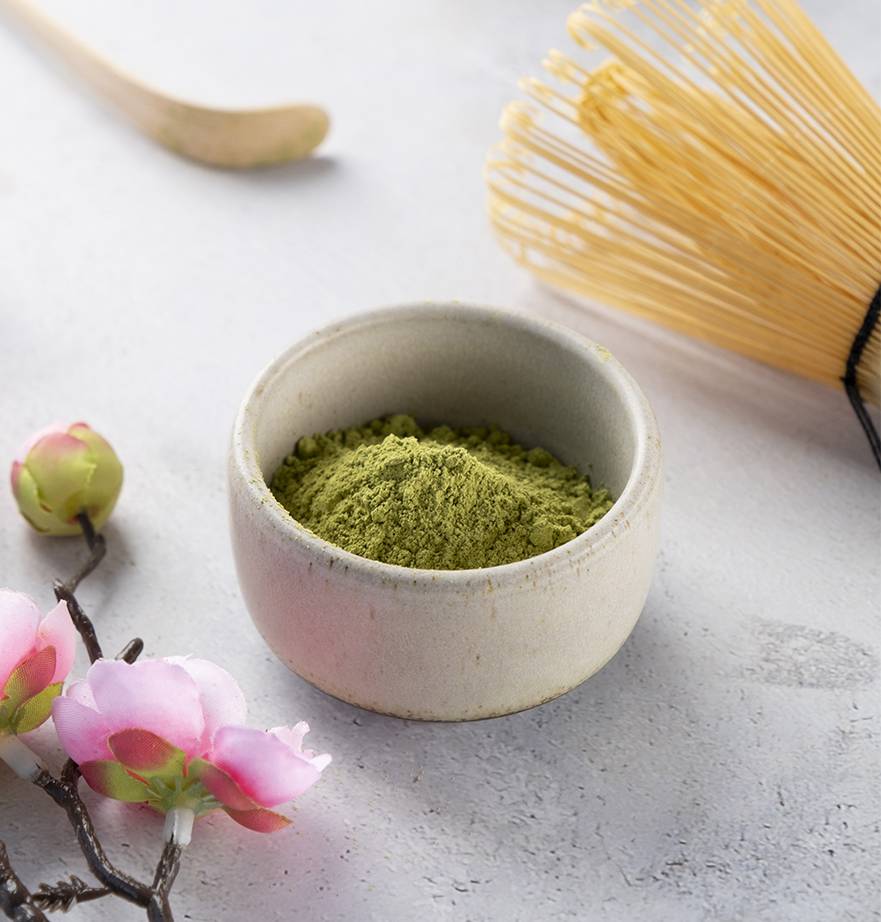
Preparing Matcha Tea
How to prepare traditional matcha tea?
Matcha tea preparation is an art in itself, reflecting the principles of the Japanese tea ceremony. Here are the detailed steps to prepare tea matcha according to the traditional method:
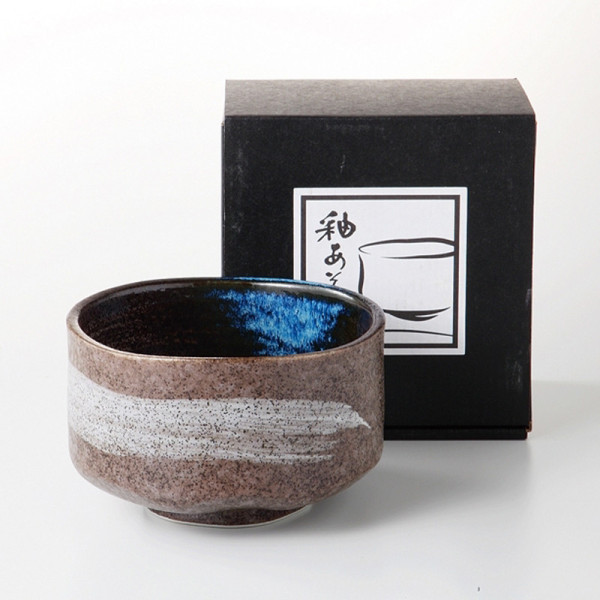
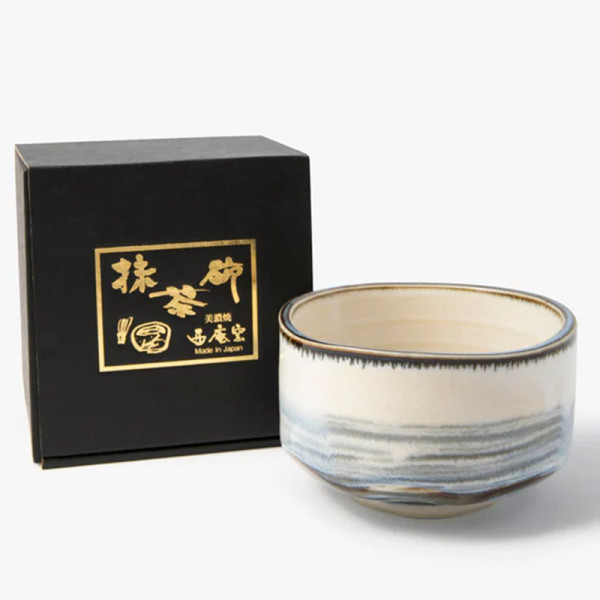
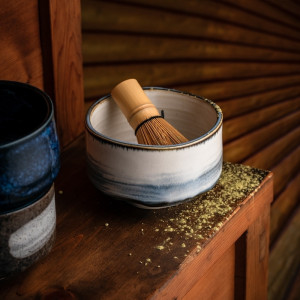
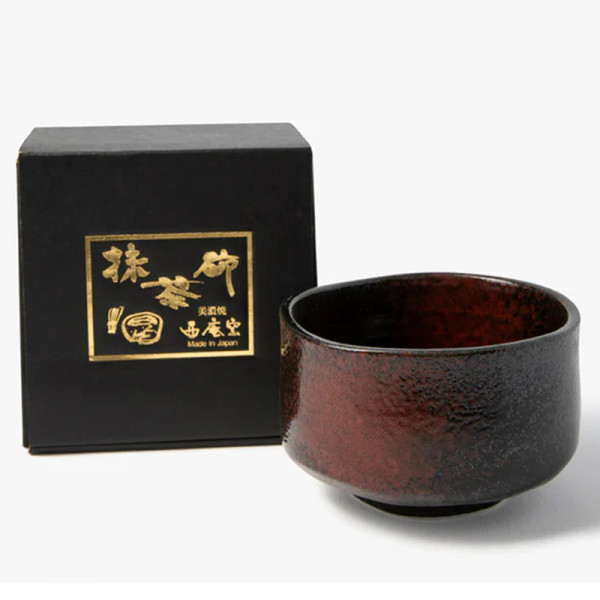
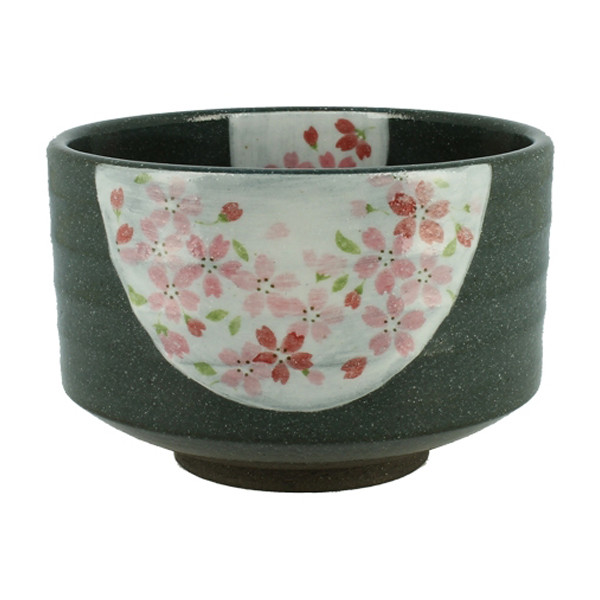
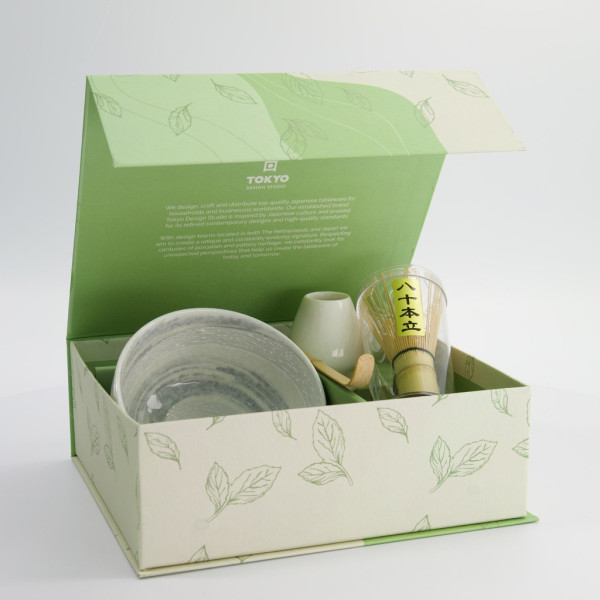
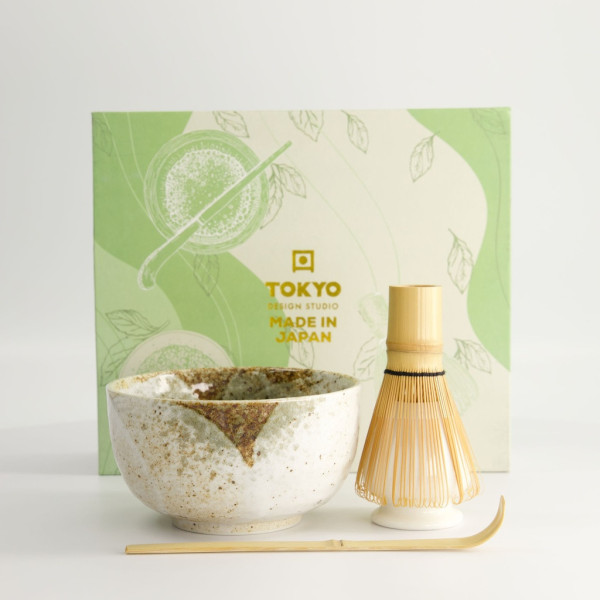
- Preheat the bowl: Start by pouring hot water into your tea bowl (chawan) to preheat it. Empty the water and wipe the bowl dry.
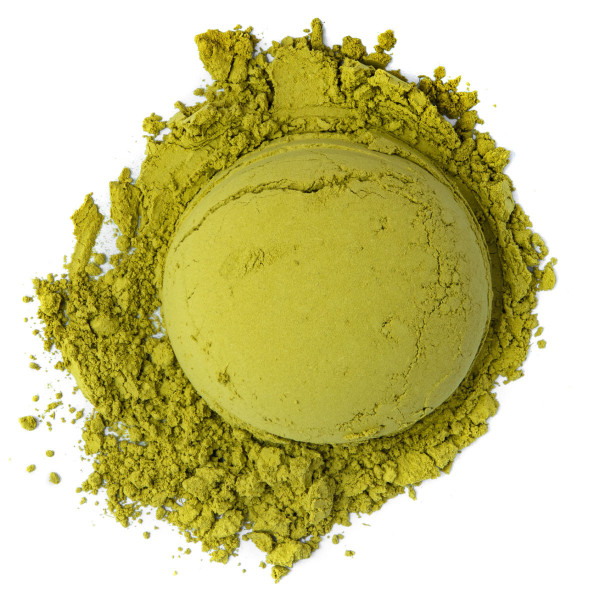
- Measure the matcha: Use a small bamboo scoop (chashaku) to measure about 2 grams (1-2 teaspoons) of matcha tea powder. Sift the powder into the bowl to avoid lumps.
- Add water: Pour about 60-80 ml of hot water (not boiling, ideally around 80°C) into the bowl. Water that's too hot can make the matcha bitter.
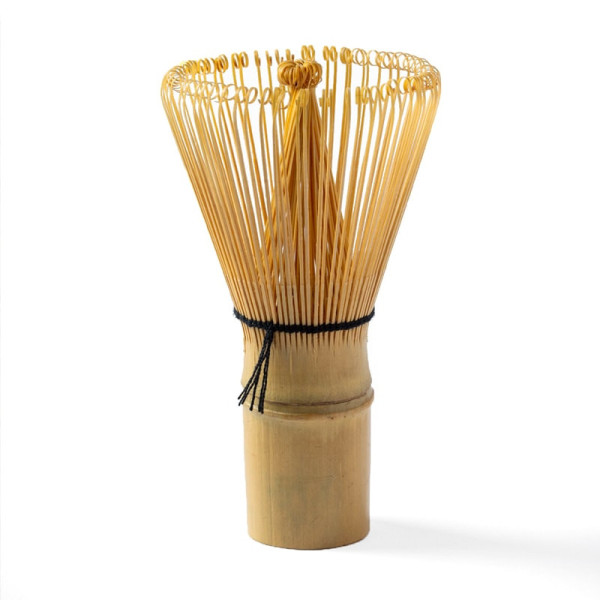
- Whisk: Use a bamboo whisk (chasen) to vigorously mix the matcha and water. Make rapid W or M-shaped movements, taking care not to touch the bottom of the bowl.
- Create foam: Continue whisking until you get a fine, creamy foam on the surface. This usually takes 15 to 20 seconds.
- Enjoy: Your matcha is ready! Drink it immediately to enjoy its optimal flavor and creamy texture.
For a more intense experience, you can prepare a thick tea (koicha) by using more matcha powder and less water. This version is usually reserved for formal ceremonies and requires very high-quality matcha.
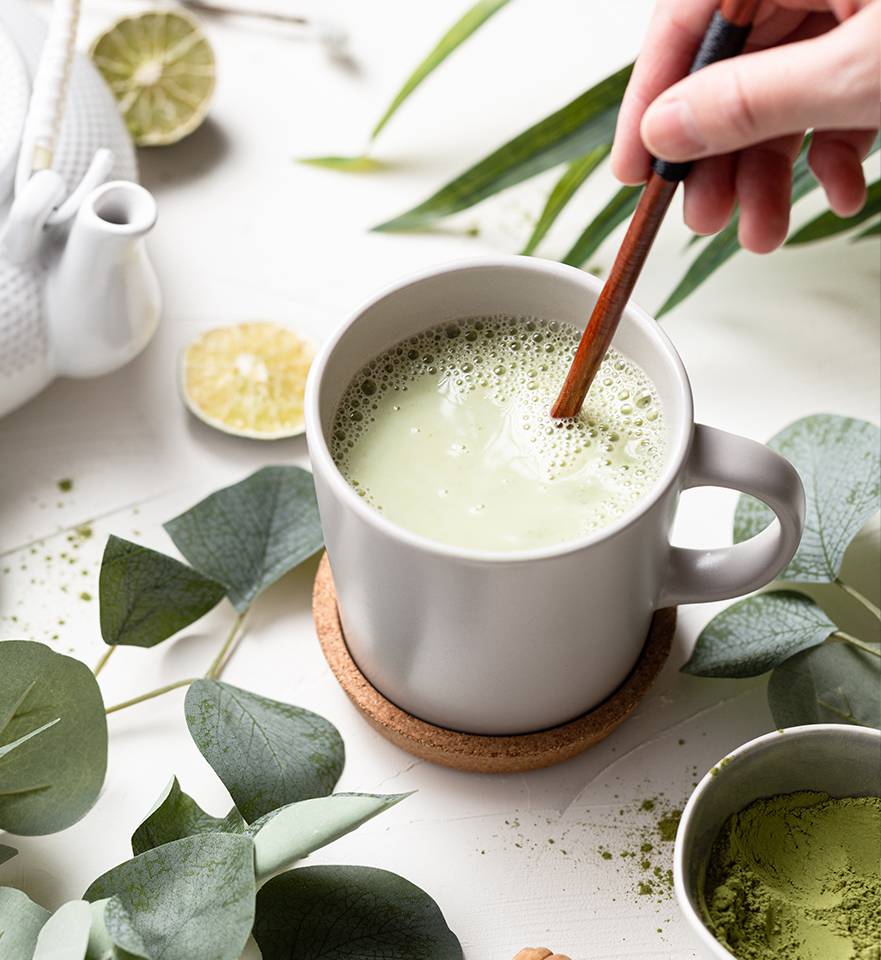
How to prepare a matcha latte?
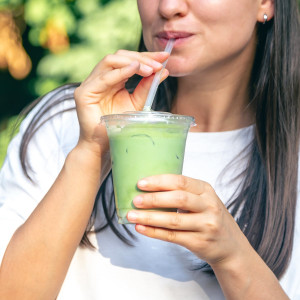
Matcha latte is a modern and popular version that combines the benefits of matcha with the creamy comfort of milk. Here's how to prepare it:
- Prepare the matcha: In a bowl, mix 1 to 2 teaspoons of matcha powder with a small amount of hot water (about 60 ml) to form a smooth paste.
- Whisk: Use a bamboo whisk or a small electric whisk to mix well and eliminate lumps.
- Heat the milk: Heat about 180 ml of plant-based milk (almond, oat, soy) or cow's milk. For an iced version, use cold milk.
- Combine: Pour the hot milk over the matcha mixture, stirring gently.
- Sweeten (optional): Add a little honey, maple syrup, or sugar syrup to taste.
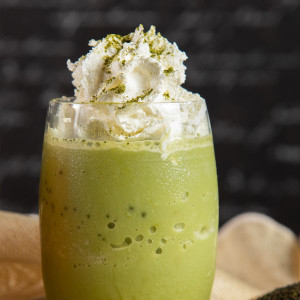
- Finishing touch: For a final touch, you can sprinkle a little matcha powder on top of your latte.
Matcha latte is an excellent way to introduce the unique taste of matcha into your daily routine, offering a milder alternative to traditional matcha.
Culinary Uses of Matcha
Did you know that you can even use matcha in cooking?
Matcha is not limited to brewing; its versatility in cooking is remarkable. From culinary grade to premium varieties, it can enhance both desserts and savory dishes. Here are some creative ways to incorporate matcha into your recipes:
- Pastries: Add matcha to your cakes, cookies, muffins, or macarons for a unique flavor and beautiful green color.
- Smoothies: A teaspoon of matcha can transform your morning smoothie into an energizing and nutritious preparation.
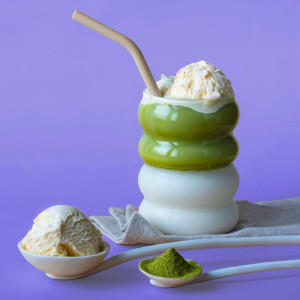
- Ice creams and sorbets: Matcha pairs perfectly with frozen desserts, bringing freshness and sophistication.
- Dressings: Create original dressings by incorporating matcha into your oil and vinegar mixtures.
- Pasta: Add matcha to your fresh pasta for a unique Japanese touch.
- Rice: A little matcha mixed into your white rice will give it a beautiful color and subtle flavor.
- Marinades: Use matcha in your marinades for fish or poultry for an interesting umami flavor.
When cooking with matcha, keep in mind that its flavor can be quite intense. Start with small amounts and adjust according to your taste. For baking, matcha pairs particularly well with white chocolate, almonds, and citrus fruits.
Storing Matcha
To preserve the freshness and properties of matcha, proper storage is essential. Here are some tips to maintain the quality of your matcha:
- Airtight container: Always store your matcha in an airtight container to protect it from moisture and external odors.
- Away from light: Light can degrade the sensitive compounds in matcha. An opaque container or storage in a dark cupboard is ideal.
- Stable temperature: Avoid temperature fluctuations. A cool, dry place is preferable, but avoid the refrigerator which can introduce moisture.
- Avoid air: Try to minimize exposure to air by closing the container tightly after each use.
- Quick consumption: To fully enjoy its benefits and flavor, consume your matcha within two months of opening.
Well-stored matcha maintains its bright green color and fresh aroma. If your matcha starts to lose its color or develop a rancid smell, it's probably time to replace it.
Why is Matcha an Expensive Tea?
The high price of matcha is explained by several factors related to its laborious production process and exceptional quality:
- Specialized cultivation: The shade-growing technique requires special structures and significant labor.
- Hand-picking: Only the best leaves are selected and hand-picked, a time-consuming process.
- Delicate processing: The drying and grinding process is slow and meticulous to preserve quality.
- Equipment: The stone mills used for grinding are expensive and produce small quantities.
- Required expertise: Producing high-quality matcha requires years of experience and precise know-how.
- Rarity: The best varieties of matcha are produced in limited quantities, increasing their value.
The superior quality of ceremonial grade matcha justifies its cost, offering an incomparable taste experience. However, there are different grades of matcha at various prices, allowing everyone to find a product suited to their budget and use.