Organic
Step into a world of flavor and well-being with herbal infusions, a time-honored tradition that never stops surprising. From peppermint leaves to rose petals, from soothing chamomile to invigorating thyme, every cup is an invitation to unwind and explore. Far more than a simple drink, a herbal infusion is a true wellness elixir, blending the natural virtues of plants with warm, fruity, and indulgent notes. Whether you're drawn to exotic flavors like mango and pineapple, or you're a lover of timeless classics like verbena and linden, let yourself be carried along on a sensory journey where every sip brings you closer to that perfect balance of health and pleasure. Rediscover this ancient drink in a whole new light, where tradition and creativity come together to craft blends as surprising as they are delicious.
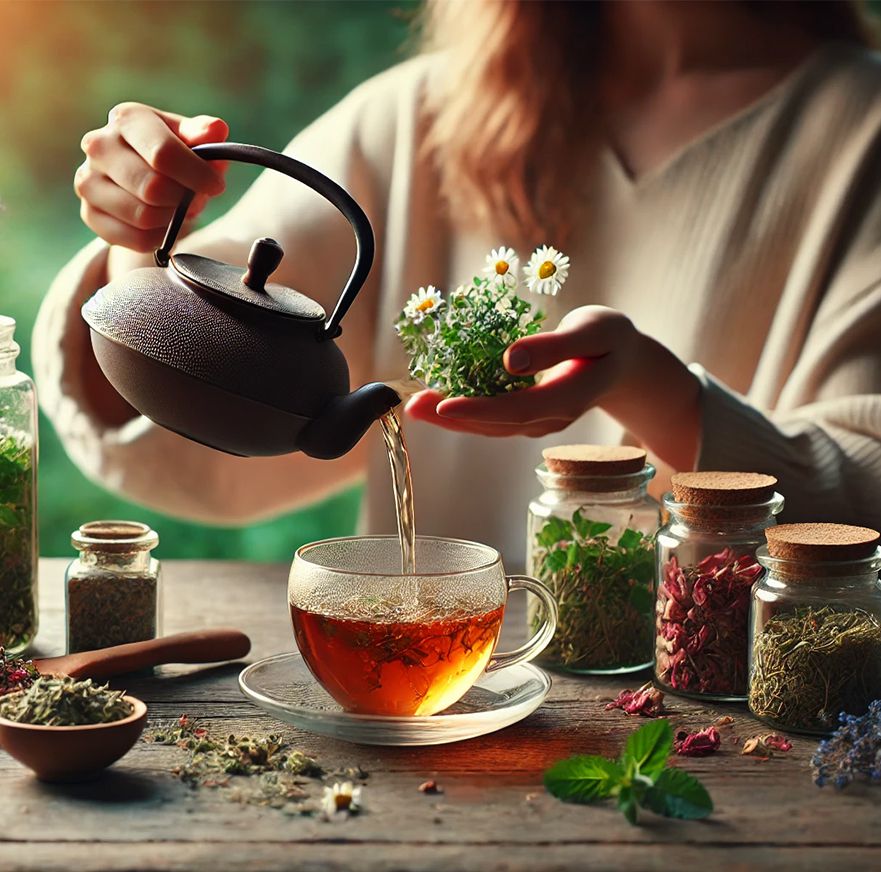
An herbal infusion is a drink made by steeping plant material (leaves, flowers, roots, or bark) in hot water. Unlike tea, it contains no Camellia sinensis leaves. Herbal infusions can be made from a single plant, such as chamomile or mint, or from a more complex blend. Each ingredient is carefully chosen for its medicinal properties or aromatic profile, resulting in drinks with a wide range of qualities: calming, digestive, cleansing, or energizing.
Though often used interchangeably, these terms refer to distinct preparations. An herbal infusion is made exclusively from plants, fruits or spices, with no tea leaves, and therefore contains no caffeine. Tea is specifically made from the leaves of the Camellia sinensis plant and naturally contains caffeine. Infusion is a broader term covering any drink obtained by steeping plant matter in hot water, which includes both herbal infusions and teas.
Infusion is the process of drawing the soluble compounds from a plant into hot water. This method releases the active constituents, aromas and flavors of the botanicals used. Water temperature and steeping time vary depending on the ingredients, to ensure optimal extraction without compromising the benefits or the taste. Delicate flowers, for instance, call for cooler water and a shorter steeping time than roots or bark.
Herbal infusions offer a compelling alternative to tea and coffee, especially for those looking to cut back on caffeine. They come with several advantages: optimal hydration without a strong diuretic effect, no caffeine (making them ideal for evening drinking), a range of specific benefits depending on the plants used, and a wide variety of flavours to keep things interesting.
That said, they don't provide the immediate stimulating effect of caffeine. For those seeking an energy boost, certain herbal infusions such as maté or ginseng can offer a gentler lift, though less powerful than coffee or tea. Maté, for example, originates from South America and contains mateine, a compound similar to caffeine but with milder, longer-lasting effects.
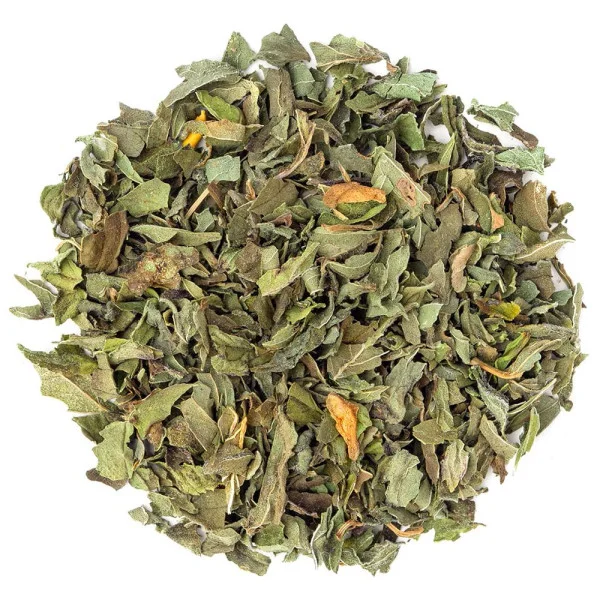
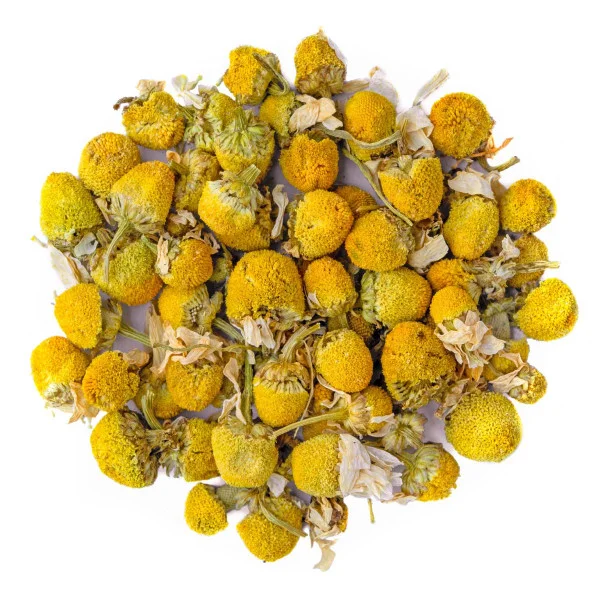
Herbal infusions offer a wealth of wellness benefits, which vary depending on their ingredients. For relaxation and sleep, chamomile, valerian and linden are well known for their calming properties. When it comes to digestion, peppermint, fennel and star anise support digestive function, helping to ease bloating and intestinal discomfort.
For detoxification, dandelion, rosemary and green tea stimulate liver and kidney function, supporting the body's natural elimination of toxins. Immune support can be reinforced with echinacea, elderberry and thyme. And for antioxidant richness, goji berries, pomegranate and rooibos help combat oxidative stress.
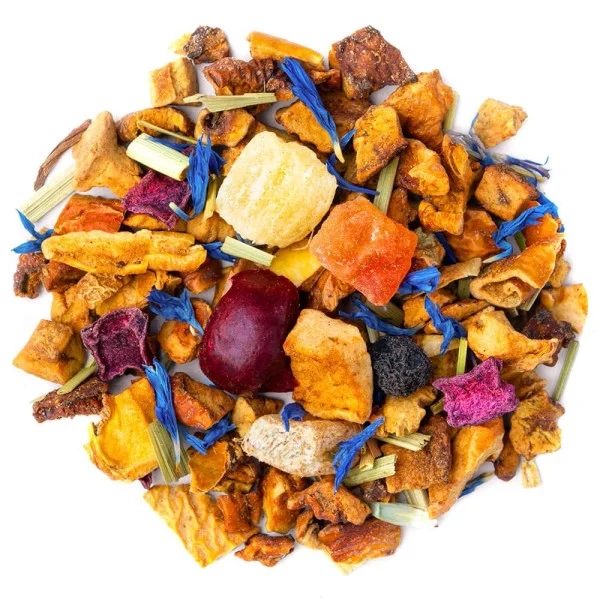
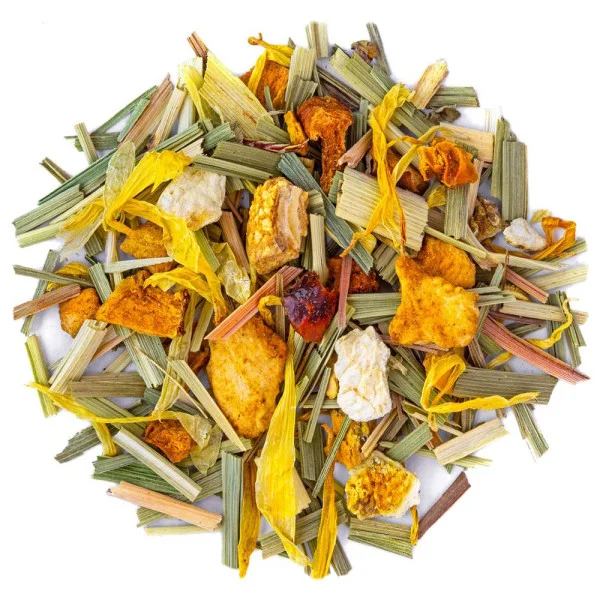
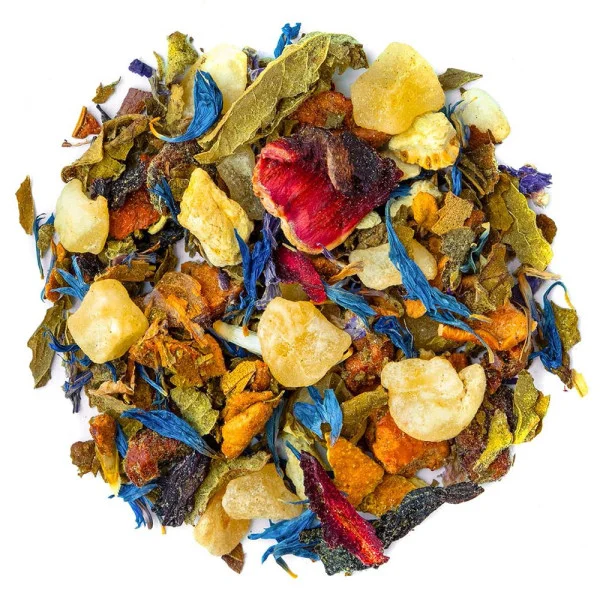
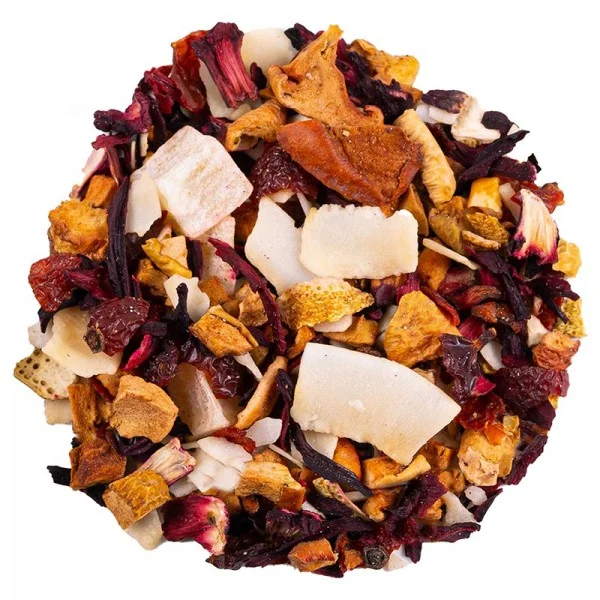
On the pleasurable side, the Balade en Provence and the lemon basil herbal infusion offer a fresh, indulgent twist on classic hot drinks.
To get the best from your herbs and create a truly satisfying cup, follow these steps:
Once steeped, strain your herbal infusion carefully before drinking. Feel free to personalise your cup with honey, lemon, or other natural ingredients to suit your taste.
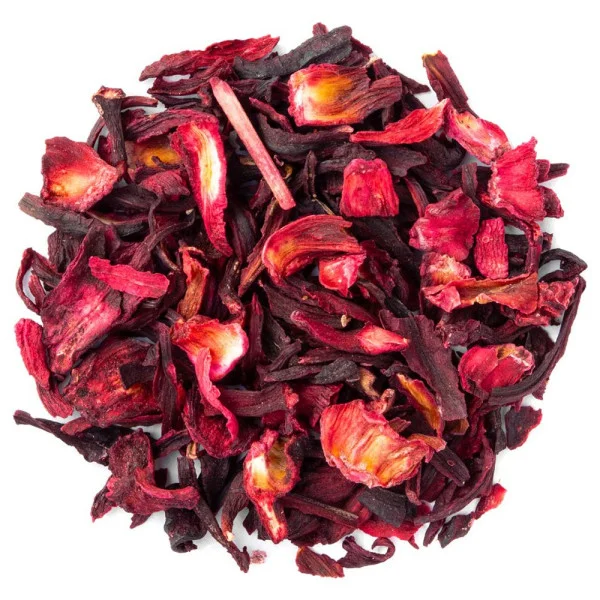
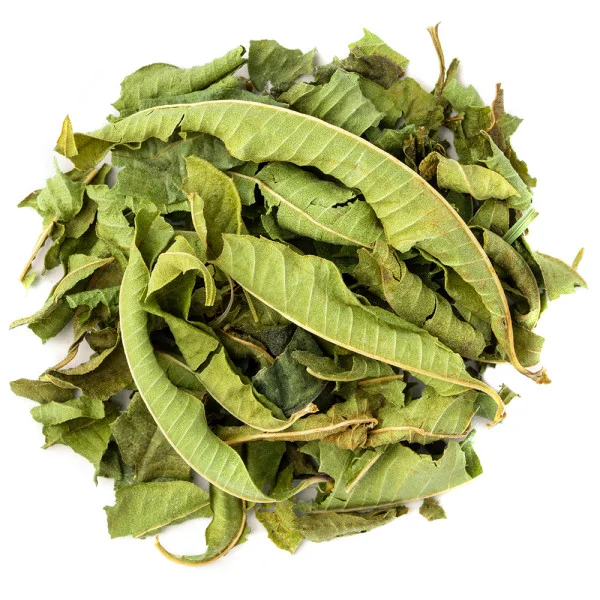
The ideal steeping time varies depending on the herbs used. Delicate flowers such as chamomile or hibiscus need only 5 to 7 minutes — steeping longer can release bitter tannins. Full preparation details are available on our hibiscus herbal infusion page. Leaves (mint, verbena, green tea) benefit from 7 to 10 minutes to fully release their beneficial compounds without excessive bitterness. Roots and bark (ginger, cinnamon, liquorice) require 10 to 15 minutes, or more, to draw out all their goodness. Dried fruits infuse best over 8 to 12 minutes, allowing their natural sweetness to develop. For complex blends, follow the producer's recommendations, usually around 8 to 10 minutes.
Weave herbal infusions naturally into your daily routine:
Before exercise, a reviving infusion (ginseng, guarana) can give your energy a natural lift. During illness, match your infusion to your symptoms: thyme for a sore throat, elderberry to support immunity.
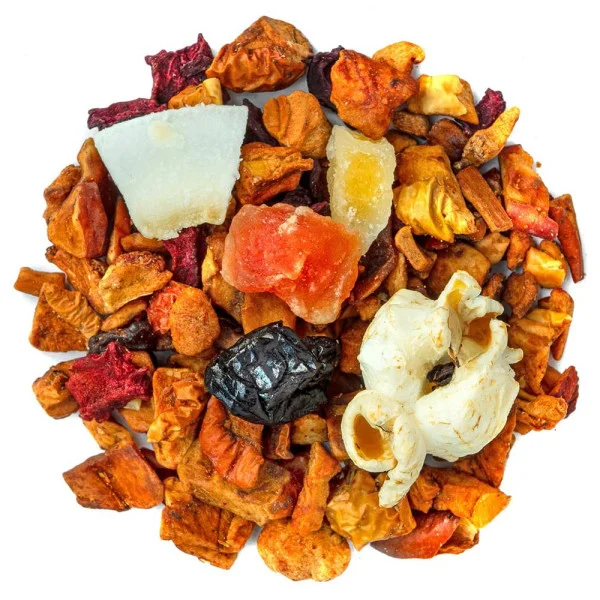
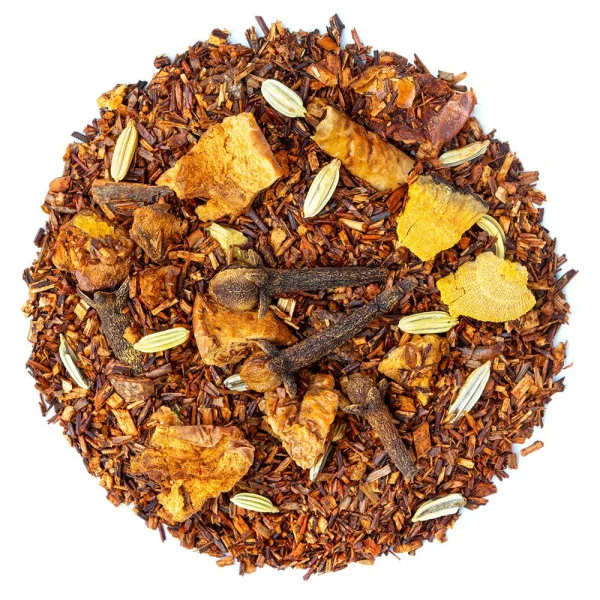
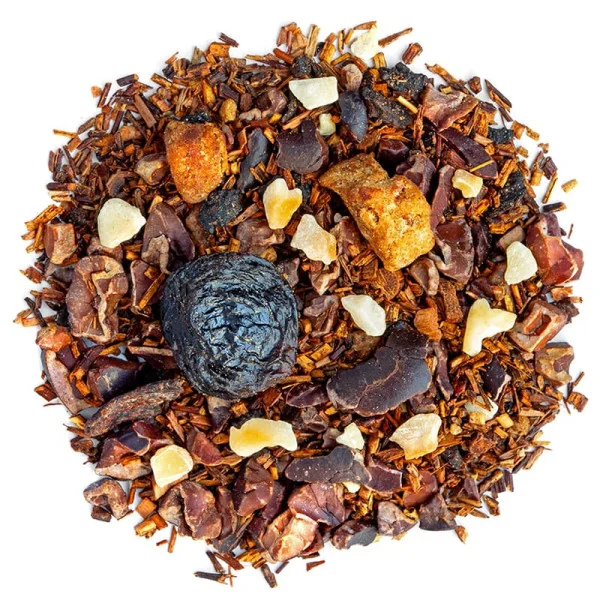
For the best results, drink your herbal infusions regularly and vary the blends to enjoy a wide range of benefits. Experiment with different combinations to find what works for you, both in terms of flavour and wellbeing. Over time, brewing a herbal infusion can become a genuine ritual — a small, pleasurable moment that fits naturally into a healthy, balanced lifestyle. For an indulgent evening treat, our Tisane des gourmands and our Tisane Abricot Spéculoos are two much-loved favourites.
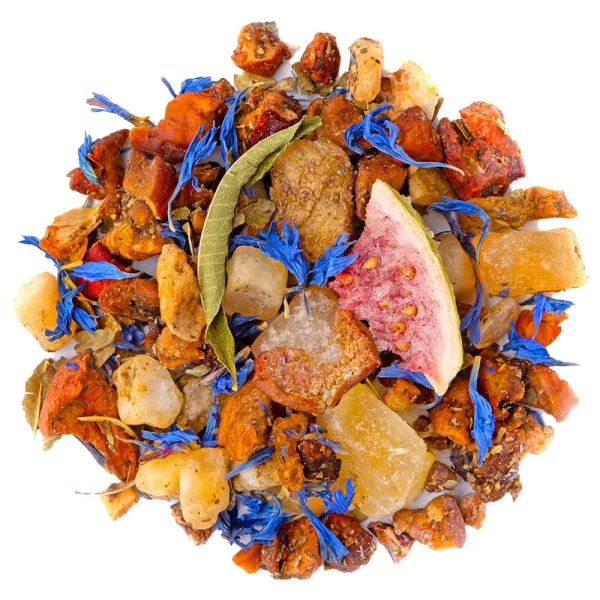
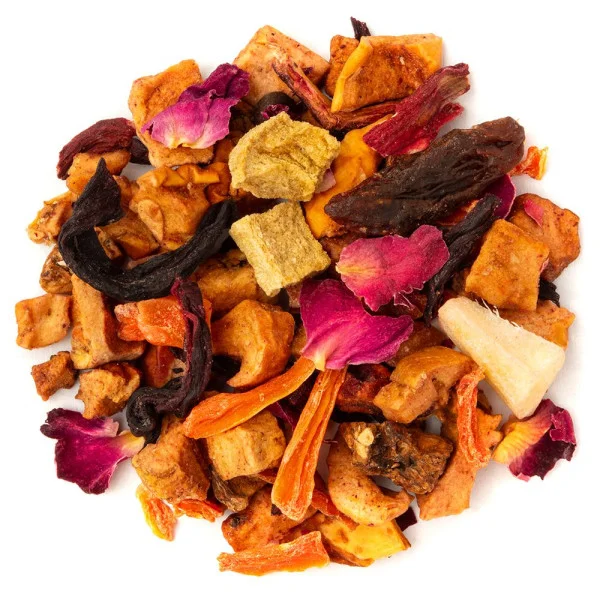
Our shop offers a wide selection of organic loose-leaf herbal infusions: classic medicinal herbs (chamomile, verbena, lemon balm, linden, lavender), soothing blends (sleep, digestion, immunity), Ayurvedic infusions, and fruity options (flavoured Rooibos, red berries, citrus). All our herbal infusions are certified organic, caffeine-free, and perfect for evenings and the whole family. Among the house favourites: the Tisane Flamingo, wonderful as an iced infusion too, and the Tisane Tilleul Menthe, gentle and soothing.
The word herbal infusion (or herbal tea) refers to a preparation made from plants (leaves, flowers, roots, bark) with health or relaxation properties, containing no caffeine. Infusion is a broader term, often used interchangeably in everyday language. Our organic herbal infusions are crafted for everyday wellbeing.
Simple to prepare: 1 teaspoon (4–5 g) of herbs per 250 ml of hot water at 95–100°C (203–212°F). Steep for 5 to 10 minutes depending on the herb. Cover to preserve the essential oils. Free delivery from €49, secure payment.
Curious to try? Start with our Tisane Pêche Mojito, bright and refreshing, or treat yourself to the indulgent flavours of the Tisane Piña Colada: two lovely ways to discover our herbal infusion range.
Julien Huot, owner of Thés & Traditions, personally selects every herb in our range, working closely with partner producers in France, Europe, and North Africa. The wellbeing claims on this page are based on official sources.
The traditional uses of these herbs (chamomile for relaxation, lemon balm for sleep, peppermint for digestion, verbena for nervous calm) are recognised by the EMA (European Medicines Agency) through its herbal medicinal product monographs. For further information on the safety and quality of herbs for infusion, please refer to the recommendations of the ANSES.
What is the difference between herbal tea and infusion?
The two terms are often used interchangeably. Technically, an infusion describes the method (pouring hot water over herbs), while herbal tea refers to the resulting drink. Herbal tea is traditionally associated with blends aimed at wellbeing, while infusion applies more broadly to all herb-based drinks.
Which herbal infusion is best for sleep?
The classic sleep-supporting herbs are chamomile, lemon balm, passionflower, verbena, and linden. Our blends often combine several of these for a more complete effect. Drink 30 to 60 minutes before bedtime, with no added sugar.
Is it safe to drink herbal infusions during pregnancy?
Most mild herbal infusions (verbena, linden, orange blossom, Rooibos) are compatible with pregnancy in moderate amounts. However, some herbs should be avoided: sage, rosemary in large doses, liquorice, and peppermint essential oil. If in doubt, consult your midwife or doctor.
How long should I steep a loose-leaf herbal infusion?
As a general rule: 5 to 10 minutes, depending on the herb. Delicate flowers (chamomile, linden) need only 5 to 7 minutes. Leaves (mint, verbena, lemon balm) benefit from 7 to 10 minutes. Roots and bark (ginger, liquorice, cinnamon) require 10 to 15 minutes with hotter water.
Is herbal infusion lower in calories than tea or coffee?
Without added sugar, a cup of herbal infusion, like a cup of tea, contains fewer than 5 kcal. It's the lightest way to stay hydrated with flavour — ideal as part of a wellness routine or as a replacement for sugary drinks.
Explore our herbal infusions above and find the blend that will brighten your everyday.
Choosing the right herbal infusion can help ease a range of everyday discomforts:
For sore throats, thyme, eucalyptus and sage are particularly effective, thanks to their antibacterial and anti-inflammatory properties. When fatigue sets in, adaptogenic plants such as ginseng, guarana and eleuthero help restore energy and build the body's resilience.
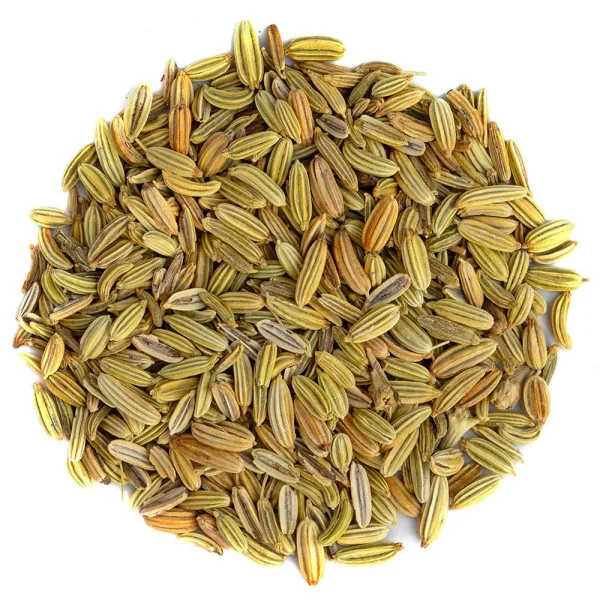
From our collection, the sleep herbal infusion, the evening infusion and chamomile are perfect companions for winding down, while the fennel herbal infusion and peppermint are a favourite after meals.
For a natural lift, a few herbal infusions stand out from the rest:
Yerba Mate, rich in nutrients and stimulating compounds such as mateine, delivers lasting energy without the side effects associated with caffeine. Ginger, warming and invigorating, improves circulation and gives the metabolism a gentle boost. Guarana, which naturally contains caffeine, provides a more pronounced stimulation and is best enjoyed in moderation. And ginseng, a powerful adaptogen, supports both physical endurance and mental clarity.
When choosing a high-quality organic herbal infusion, a few details are worth looking out for. Seek out the official Organic Farming certification, which guarantees the absence of pesticides and GMOs. Favour blends that clearly indicate the origin of their plants, ensuring better traceability. Choose airtight packaging that preserves the plants' natural aromas, and look for blends made with 100% natural ingredients, free from artificial flavourings and additives. Plants grown at altitude or in their native habitat tend to be richer in active compounds.
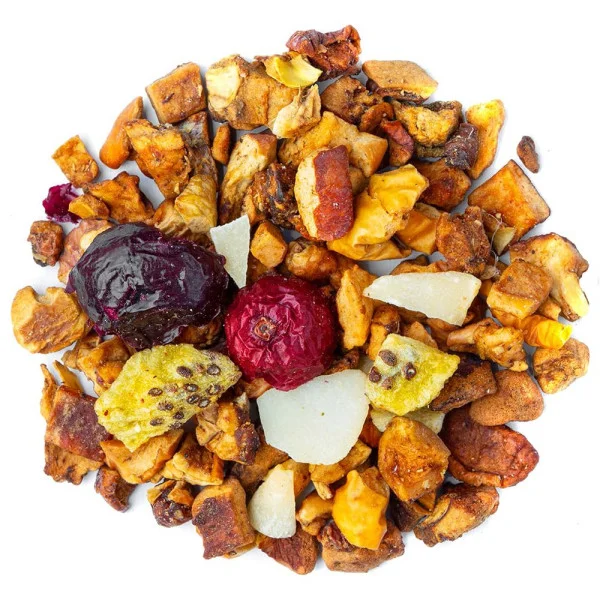
Among our best-sellers that meet these criteria, hibiscus flowers, the cherry cake herbal infusion and the almond cloud herbal infusion are among the most beloved in our collection.
Explore our other caffeine-free infusions

French House
Independent since 2016.
Fast delivery
Home delivery or click & collect.
Made with heart
In the south of France.
Customer service
A real voice at the end of the line,
Monday to Friday: 04 22 91 35 75.
Sharing, passing it on: our teas, our tips, the occasional unexpected idea, and little attentions just for you. Pure pleasure, ready to steep.