Organic LOVE PICK
Sencha is the most widely enjoyed green tea in Japan: leaves steamed right after harvest, then rolled into fine needles, yielding a cup that is vegetal, fresh, and lightly briny. Browse our Japanese senchas, our smoother organic Sencha from China, our premium single-origin teas, and our flavoured senchas — all loose-leaf, with brewing guidance included.
No two senchas are alike: the origin, the harvest season and the fineness of the leaves make all the difference. Here is our selection, from the most classic to the most rare.
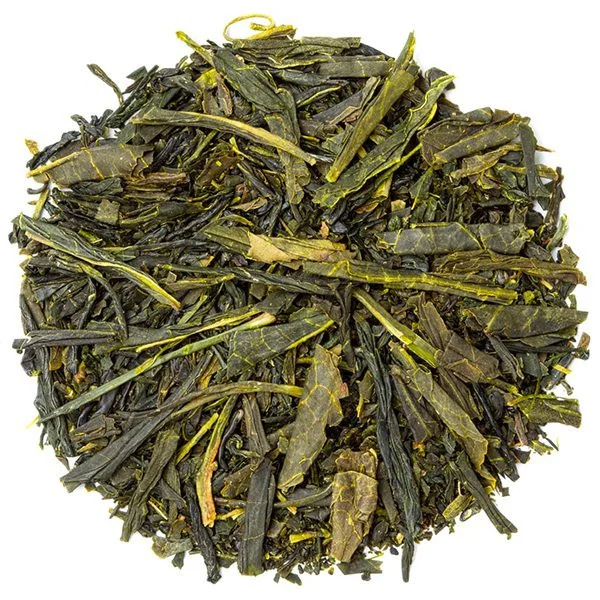
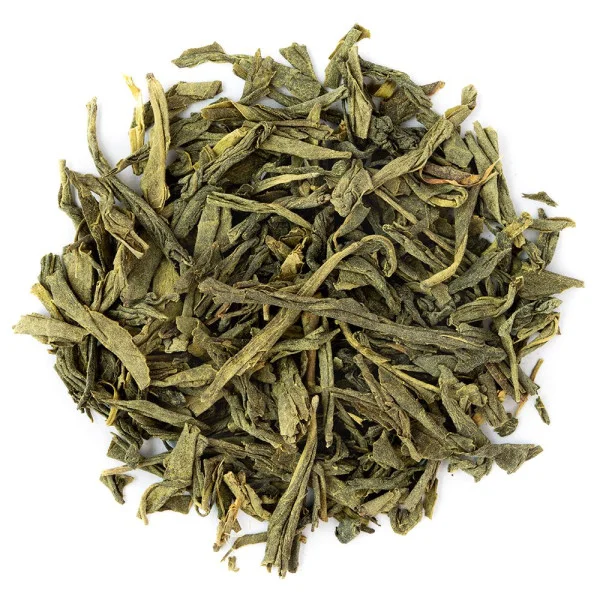
Our organic Sencha green tea is the house classic: a steamed leaf in the Japanese style, grown in China, with a delicate, light and subtle flavour. This is the sencha we recommend for beginners, the one for the morning teapot, and one of our best-selling green teas.
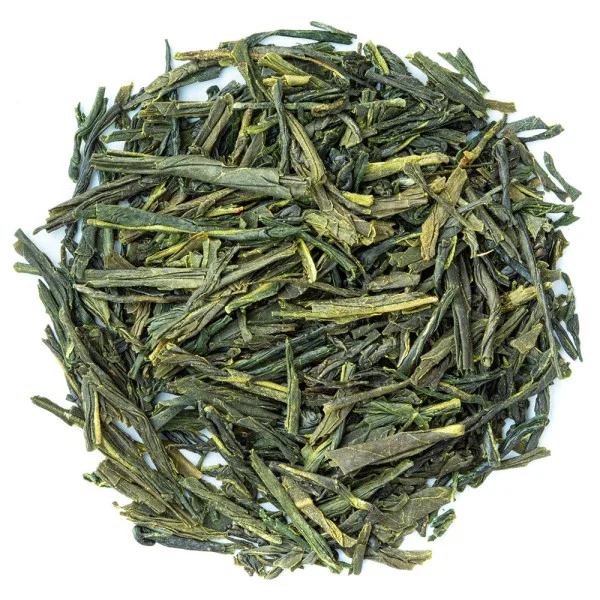
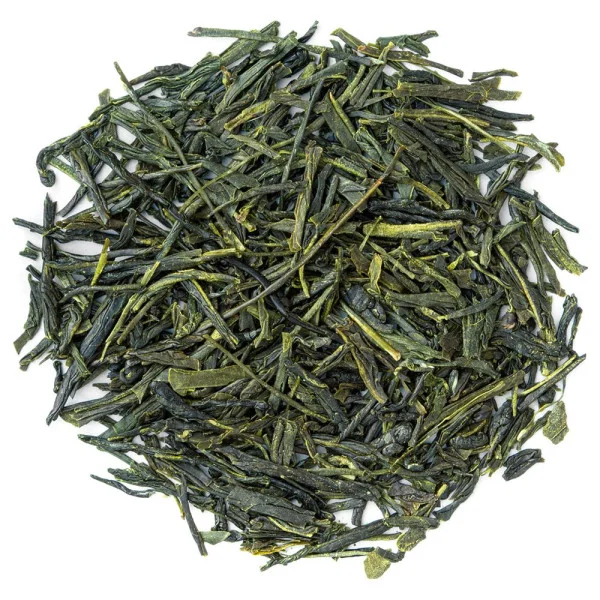
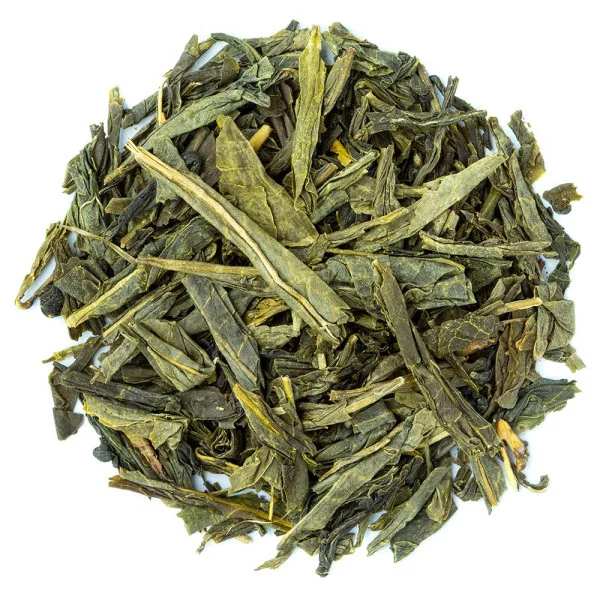
Our Japanese Sencha green tea reveals the true signature of Japanese sencha: fresh, almost briny vegetal notes and a beautiful lingering finish. Even more refined, the organic Japan Sencha Mizuki offers glossy leaves and a smooth, rounded flavour; it is our benchmark organic Japanese sencha.
The organic Sencha Konomi is a Japanese grand cru, grown using organic farming, with a rare aromatic signature: gentle sweetness, umami and a freshness that lingers. Save it for moments when you have time to slow down, and steep it several times. You will find other rare crus among our Japanese teas.
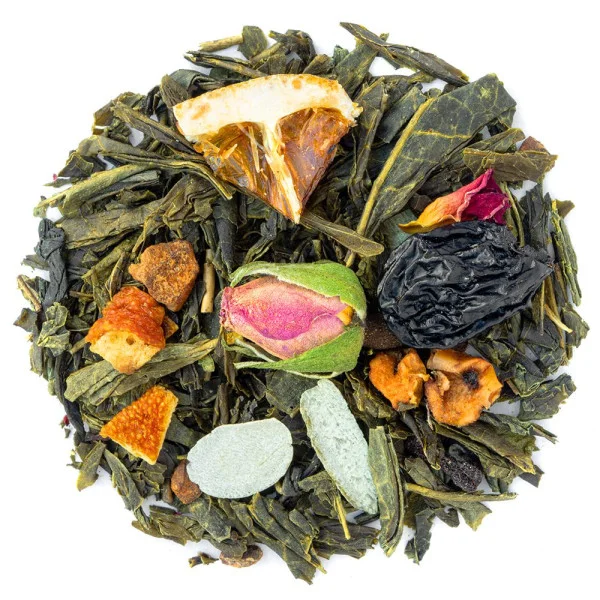
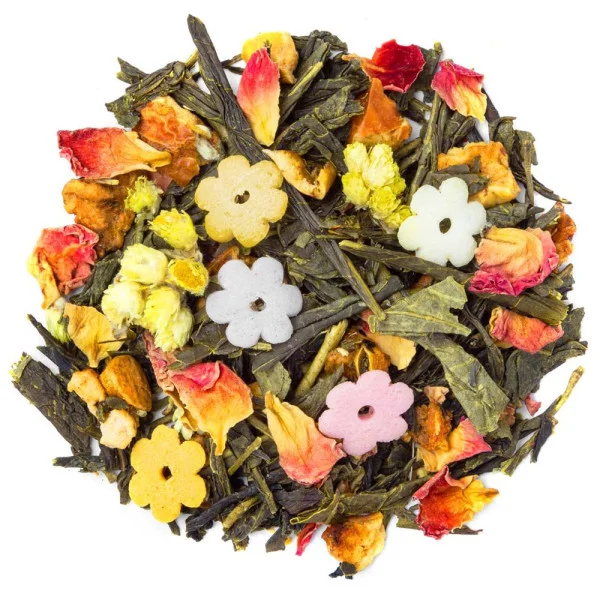
The organic Sencha Matcha blends sencha leaves with a touch of matcha powder for a brighter, silkier cup. On the flavoured side, the Sencha Nectarine adds the soft sweetness of peach and nectarine, while the Christmas Sencha brings cinnamon, orange and almond. Most of our flavoured green teas are, in fact, built on a sencha base.
Sencha was born in Japan in the 18th century, where it accounts for the majority of tea consumed. Shizuoka, Uji and Kagoshima are its most celebrated regions, each with its own cultivars and aromatic profile. Steamed rather than pan-fired, it retains a vivid green colour and vegetal, grassy notes, sometimes with a hint of the sea. Senchas produced in China follow the same steaming method, but tend to be gentler and lighter in flavour, at a more accessible price. For a first sencha, an organic Chinese version is the easiest starting point; to rediscover the cup you might find in a Kyoto tea house, choose a Japanese sencha.
All are steamed Japanese green teas, but shading changes everything. Sencha grows in full sunlight, giving it its characteristic freshness and brightness. Kabusecha is shaded for one to two weeks before harvest, Gyokuro for three to four: the longer the shading, the more the cup gains in smoothness and umami depth. Matcha, finally, is a shaded tea ground into a fine powder and drunk whole. Sencha remains the most versatile and most everyday of the four. Shincha, for its part, refers to sencha from the very first spring harvest: the freshest cup of the year.
A pure sencha reveals terroir and season; it's the connoisseur's choice. A flavoured sencha, with fruit or spice, is easier to love straight away and lends itself beautifully to iced tea. Both are best enjoyed without sugar, and a pure sencha holds up well to two or three successive infusions, each one slightly different from the last.
Sencha does not take well to boiling water, which turns it bitter. Heat the water to 70 or 75 °C (160–165 °F), or let it rest for two minutes after boiling. Use one heaped teaspoon, around three grams, per 200 ml cup, and steep for one to one and a half minutes for the first infusion. Re-steep the same leaves with slightly hotter water and thirty seconds longer: the second cup is often the finest. For a delicate Japanese Sencha, a small kyusu teapot and yunomi cups are the traditional choice; a tea infuser or wide-mesh filter works perfectly for everyday brewing.
In summer, Sencha is wonderful brewed cold: two teaspoons of leaves in one litre of cold water, left in the refrigerator for six to eight hours. Cold brewing brings out no bitterness at all, resulting in a wonderfully refreshing drink best enjoyed the same day.
What is Sencha tea?
Sencha is a green tea whose leaves are steamed shortly after harvest, then rolled and dried. This Japanese method preserves the leaves' bright green color and their characteristic vegetal notes. Sencha accounts for the largest share of tea produced in Japan.
Does Sencha contain caffeine?
Yes, like all green teas, though in moderate amounts. It's best enjoyed in the morning or during the day. For evenings, a Rooibos or herbal infusion is a gentler choice.
What's the difference between Sencha and Gunpowder?
Gunpowder is a Chinese green tea pan-fired and rolled into small pellets, with a smokier, fuller flavor. Sencha is steamed and rolled into needles, giving it a fresher, more vegetal character. Gunpowder is the tea traditionally used in mint tea.
Why does my Sencha taste bitter?
Almost always, the culprit is water that's too hot or a steeping time that's too long. At 70 °C (160 °F) for one minute, a good Sencha should be smooth, not bitter.
How should I store Sencha tea?
Keep it in an airtight tea caddy, away from light and moisture, and ideally use it within six months of opening: Sencha is a tea that thrives on freshness.

French House
Independent since 2016.
Fast delivery
Home delivery or click & collect.
Made with heart
In the south of France.
Customer service
A real voice at the end of the line,
Monday to Friday: 04 22 91 35 75.
Sharing, passing it on: our teas, our tips, the occasional unexpected idea, and little attentions just for you. Pure pleasure, ready to steep.