 Pu-erh Tea


Pu-erh Mini Tuo Cha
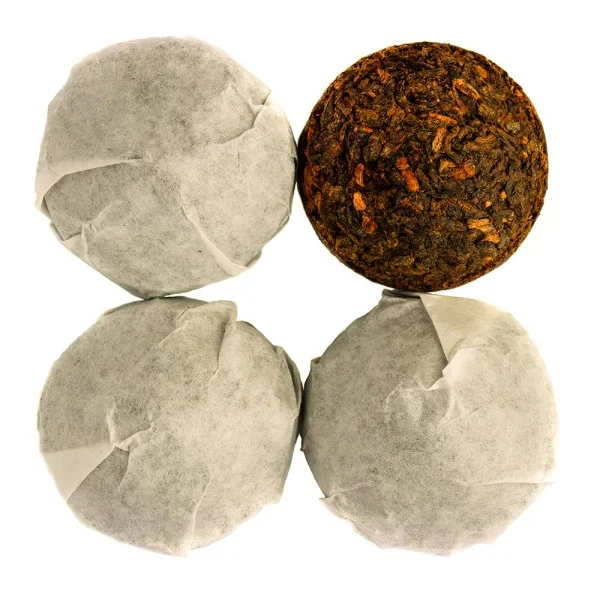
Pu-erh Mini Tuo Cha compressed into small bird's nest shapes
 Main Note:
Pure
Main Note:
Pure
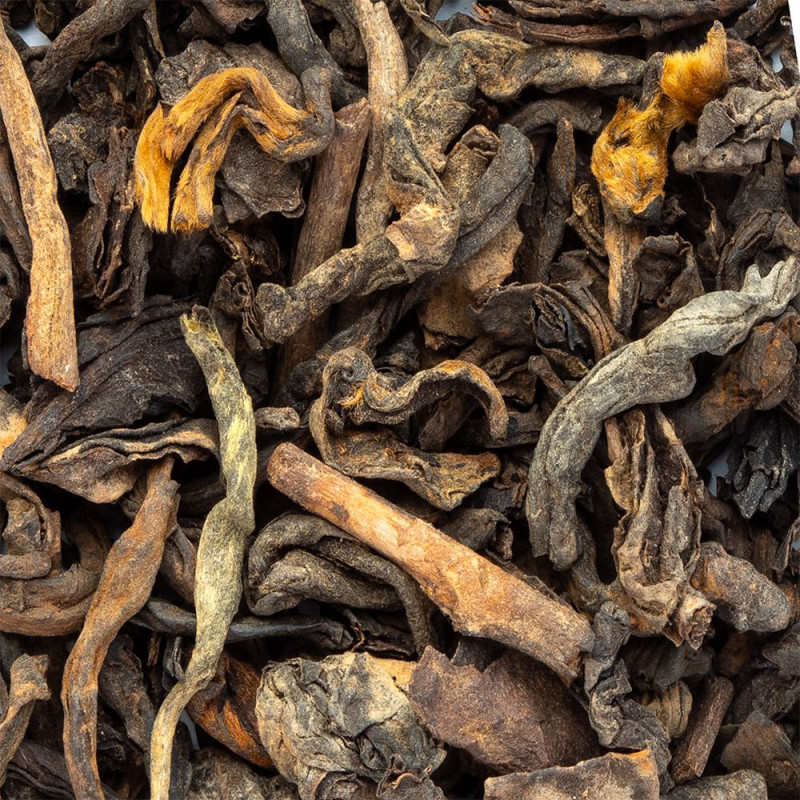
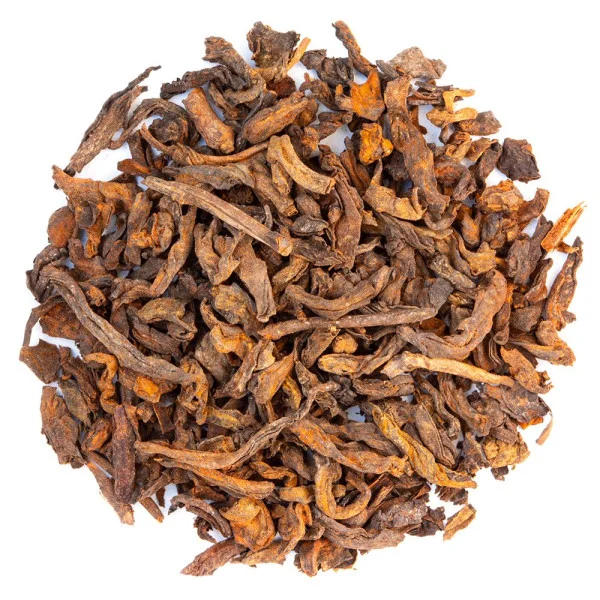
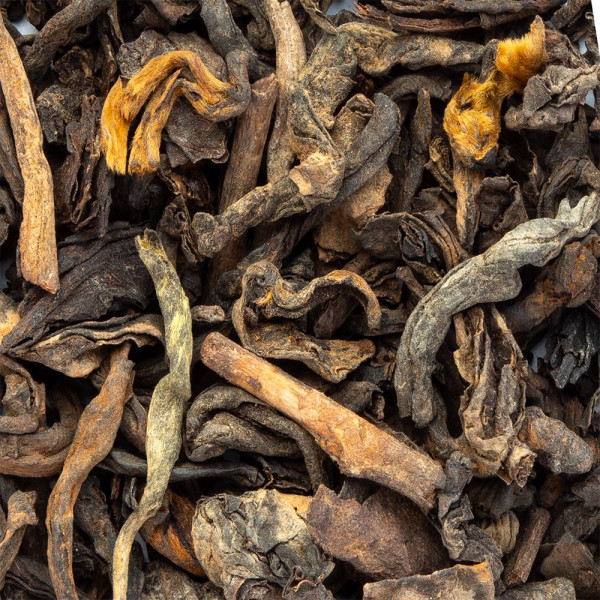
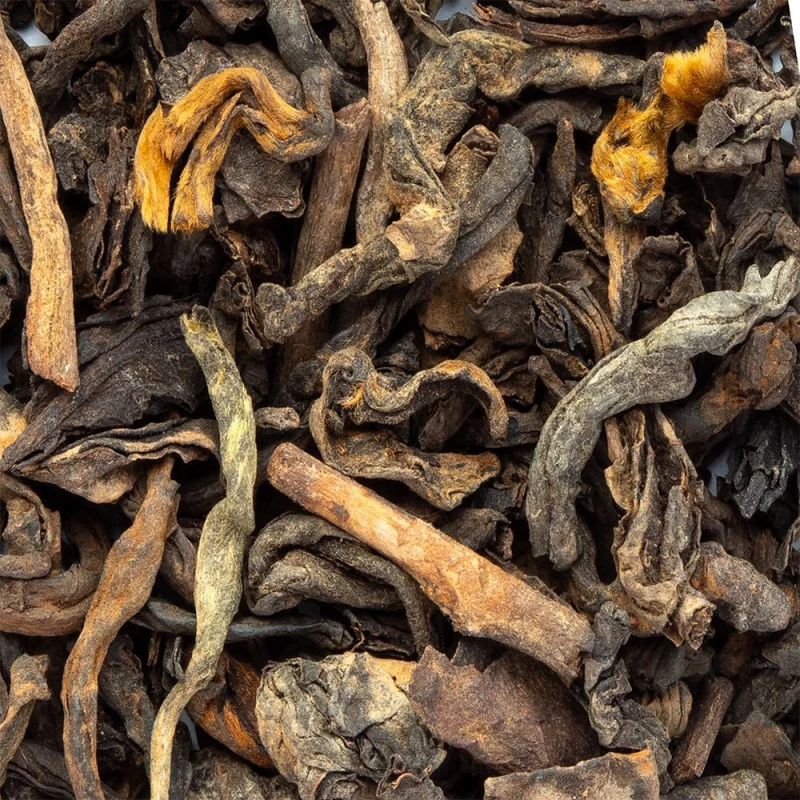
Our organic Pu-erh from Yunnan reveals a deep, velvety character, the result of a slow and patient post-fermentation. This loose-leaf Pu-erh unfolds rich woody notes, an earthy roundness, and a smooth, lingering finish. Traditionally enjoyed to support digestion, it makes a comforting cup at any hour of the day.
our expertise


In our workshop in Provence, each blend is handcrafted with passion by our team.
Real pieces of dried fruit, whole plants and carefully selected teas of origin.
Carefully crafted to create unforgettable tasting moments. A signature taste, an authentic experience.
At a glance: Organic Pu Erh tea, post-fermented, from Yunnan (China), 100% Camellia sinensis leaves. Woody, earthy, velvety notes. Brew at 100°C (212°F), 4 to 5 minutes, 12 g/L. Perfect any time of day.
Some teas are cherished for their freshness, others for their brightness. And then there is our organic Pu Erh selection, this deep, dark tea from Yunnan, savoured for its earthiness and mineral character. Our organic harvest, packaged in our own workshop, embodies a centuries-old tradition of patient post-fermentation.
Grown organically in China's Yunnan province from Camellia sinensis leaves, this Pu Erh yields a copper-hued cup, notes of damp woodland and a silky roundness on the palate. An infusion that invites you to slow down.
Julien Huot, founder of Thés & Traditions, personally selected this harvest for its rare balance between earthy depth and aromatic refinement. Explore our dark teas to continue your journey through this singular family.
Pu Erh belongs to the great family of Chinese dark teas, known collectively as hei cha. Its aromatic signature comes from a unique process: a slow post-fermentation, sometimes lasting several years, that transforms the leaf profoundly.
Our harvest opens with a bold, woody character, like a forest floor after rain. You can sense the humus, damp bark, wood worn smooth by time. It is an enveloping, almost comforting scent, reminiscent of an autumn walk through the woods.
As soon as you bring the cup to your nose, forest floor aromas emerge with quiet elegance. Dry wood, a hint of aged leather, and that unmistakable note of damp earth that defines the finest Pu Erhs. No harsh bitterness, just a deep, rounded presence.
On the palate, the copper liqueur unfolds with remarkable softness. Mineral notes intertwine with hints of fresh mushroom, dry walnut and, occasionally, a subtle touch of cacao. The texture is velvety, almost creamy, with no noticeable astringency.
The finish lingers beautifully, leaving a gentle woodiness and a faint natural sweetness on the palate. It is this persistence that sets a fine harvest apart from an ordinary Pu Erh. The palate remains coated, as if warmed by the earthy depth of the infusion.
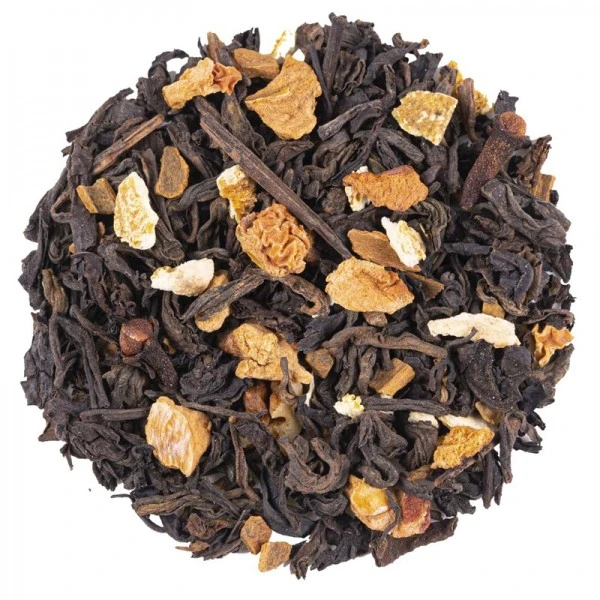
To fully explore this aromatic palette, also try our cinnamon orange Pu Erh, an indulgent creation that pairs the depth of dark tea with the warmth of spice.
The world of Pu Erh is divided between two great families, two philosophies of production that yield very different cups. Understanding this distinction helps you appreciate what you are tasting.
Sheng, or raw Pu Erh, ferments naturally over time. Pressed into cakes, bricks or nests, it evolves over years, sometimes decades. Young, it retains a certain vegetal liveliness. With age, it develops more complex, more layered, more prized notes.
Shou, or ripe Pu Erh, is produced through an accelerated fermentation process developed in the 1970s. This technique replicates in a matter of weeks what time once took decades to achieve. The result: woody, earthy notes that are immediately present, a silky roundness and a dark, deeply satisfying cup.
To explore this distinction further and find the right choice for you, take a look at our Pu Erh guide, which clarifies the differences often confused between these two families of dark teas.
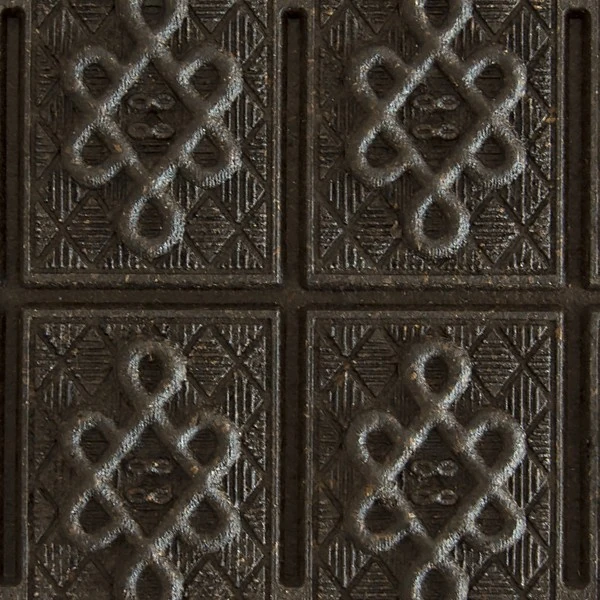
Pu Erh comes in several forms rooted in tradition. Loose-leaf, the most practical for everyday use, is ready to brew straight away. The pressed brick and the cake age beautifully over time. The nest, or tuocha, is a clever compromise between tradition and ease of use.
If you enjoy compressed formats, try our mini tuo cha Pu Erh: individual nests, perfectly portioned for a consistent brew with no measuring required.
Yunnan, a province in south-west China, is the ancestral home of Pu Erh. It is here, on mist-covered mountain slopes, that ancient tea trees grow, their leaves giving rise to this extraordinary tea. Some of these century-old trees still yield exceptional harvests today.
History tells us that Pu Erh once travelled the Ancient Tea Horse Road, crossing mountain ranges to reach Tibet and Mongolia. Pressed into cakes to ease the journey, it fermented naturally along the way. And so, through a fortunate accident, the tradition of aged dark tea was born.
To this day, Yunnan remains the only legitimate terroir for producing a true Pu Erh. The humid climate, the altitude of the gardens, the richness of the soil and the expertise passed down through generations explain the incomparable character of this tea.
To explore the full history of this fascinating tea, dive into our history guide, which traces the story of Pu Erh across the centuries.
Brewing Pu Erh requires little equipment, but a few precise gestures make all the difference. Unlike more delicate green teas, this infusion welcomes near-boiling water and a generous steeping time.
Use low-mineral water brought to 100°C (212°F). Allow 12 grams of leaves per litre, roughly 2 heaped teaspoons for a 500 ml teapot. Pu Erh loves properly hot water: it is what fully unlocks the woody aromas and rounded mouthfeel.
Steep for 4 to 5 minutes for a well-balanced cup. If you prefer a stronger liqueur, extend to 6 minutes. Pu Erh handles long infusions well without turning astringent, which is one of its defining qualities.
Chinese tradition calls for a quick rinse of the leaves before the first brew. Pour hot water over the leaves, wait 10 seconds, then discard this first water. This awakens the aromas and opens up compressed leaves. The second infusion will be cleaner and more expressive.
Experienced tea drinkers often use the gongfu cha method, a traditional approach based on repeated short infusions in small volumes. Use more leaves in a small teapot, then brew 5 to 10 successive infusions of 20 to 60 seconds each. Every cup reveals a different facet of the same tea.
To master this approach and get the most from every leaf, visit our complete Pu Erh guide, a thorough resource covering every detail of preparation.
Little known but genuinely delicious, cold-brewed Pu Erh reveals a softer, sweeter side of the tea. Place 8 grams of leaves in one litre of cold water, leave to infuse in the refrigerator for 8 to 12 hours, strain and enjoy. The resulting liqueur is clear, silky and surprisingly refreshing in summer.
Pu Erh holds a special place in Chinese tea culture, where it is traditionally drunk after meals for its digestive qualities. Modern science has taken a growing interest in this unique post-fermented tea, whose composition differs noticeably from other teas.
In China, Pu Erh is traditionally served after rich meals, particularly fatty dishes. This centuries-old habit rests on the idea that its woody roundness and gentle warmth support digestive comfort. Several studies referenced on PubMed have examined the properties of post-fermented Pu Erh, notably its specific compounds derived from microbial fermentation.
Pu Erh is the subject of ongoing research into its potential role in cholesterol levels and lipid metabolism. The natural statins produced during post-fermentation, including trace amounts of lovastatin, have attracted scientific interest. The EFSA strictly regulates health claims on this type of product, and caution is warranted when it comes to the often overstated commercial promises surrounding it.
Like all teas from the Camellia sinensis plant, Pu Erh contains antioxidant polyphenols. Its post-fermentation alters their profile compared to a green or classic black tea. General guidelines on tea consumption from the ANSES highlight the value of moderate, varied consumption as part of a balanced diet.
Pu Erh is often associated with weight management in popular culture. Research into its effects on metabolism is ongoing, but results still await confirmation through larger clinical studies. This tea is in no way a substitute for a balanced diet and regular physical activity. For a deeper look at this topic, scientific resources are available through INSERM.
Try our organic Yunnan Pu Erh as part of your daily ritual, especially after a generous meal, and discover this long-standing Chinese tradition for yourself.
Store your Pu Erh in an airtight, opaque container, away from light, strong odours and moisture. Unlike green teas, which are best enjoyed within the year, Pu Erh can improve with time, especially in compressed form. A well-ventilated spot at a stable room temperature suits it perfectly.
Avoid the refrigerator, which would transfer the aromas of nearby foods to the tea. Ceramic or bamboo containers are traditionally preferred, as they allow the leaves to breathe gently.
What are the benefits of Pu Erh tea?
Pu Erh is traditionally drunk in China to support digestion, particularly after rich meals. Its post-fermentation gives it specific compounds studied for their potential interest in lipid metabolism. It contains natural antioxidants and is best enjoyed in moderation as part of a balanced diet.
How do you brew Pu Erh tea?
Use 12 grams of leaves per litre of low-mineral water brought to 100°C (212°F). Steep for 4 to 5 minutes. To honour tradition, rinse the leaves quickly before the first infusion: pour hot water over them, wait 10 seconds, discard this water, then proceed with your brew.
Where does Pu Erh tea come from?
Pu Erh comes exclusively from Yunnan province, in south-west China. This mountainous region with its humid climate is the historic home of the ancient tea trees whose leaves give rise to this dark, post-fermented tea. No other origin can legitimately claim the name Pu Erh.
What types of Pu Erh are there?
There are two main families: Sheng, or raw Pu Erh, which ferments slowly over time, and Shou, or ripe Pu Erh, whose fermentation is accelerated over a matter of weeks. Formats also vary: loose-leaf, cake, brick or compressed nest (tuocha).
How do you choose a good Pu Erh tea?
Look for a clearly stated Yunnan origin, an organic certification where possible, and a precise description of the type (Sheng or Shou) and harvest year. A good Pu Erh has clean woody aromas with no unpleasant musty smell. The liqueur should be clear, ranging from copper to brown, with a rounded mouthfeel and no aggressive astringency.
Our information draws on scientific resources published by the EFSA, ANSES and INSERM, as well as studies referenced on PubMed relating to post-fermented teas and their active compounds. Health claims associated with tea are strictly regulated under European legislation, and we are committed to remaining cautious and factual in all our communications.

Pu-erh Mini Tuo Cha compressed into small bird's nest shapes

Premium Pu-erh, 5-year aged

Low-Caffeine Pu-erh Tea with Christmas Spice

Pu-erh pressed into bricks like Sheng (raw)
French House
Independent since 2016.
Fast delivery
Home delivery or click & collect.
Made with heart
In the south of France.
Customer service
A real voice at the end of the line,
Monday to Friday: 04 22 91 35 75.
Sharing, passing it on: our teas, our tips, the occasional unexpected idea, and little attentions just for you. Pure pleasure, ready to steep.