
Organic
Pu-erh Brick
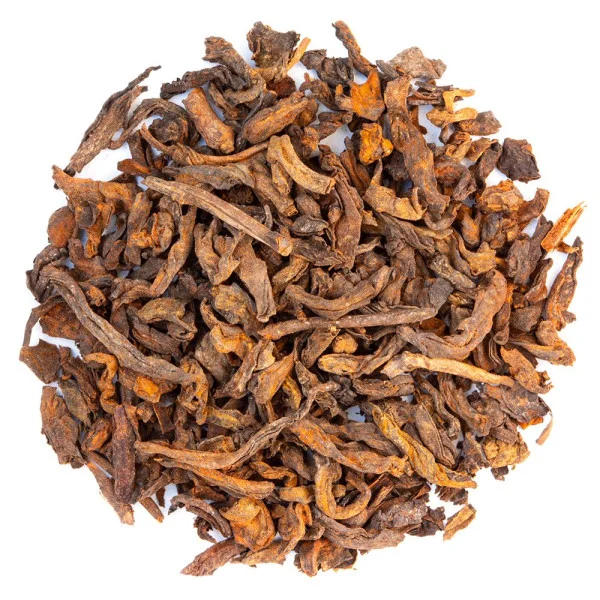
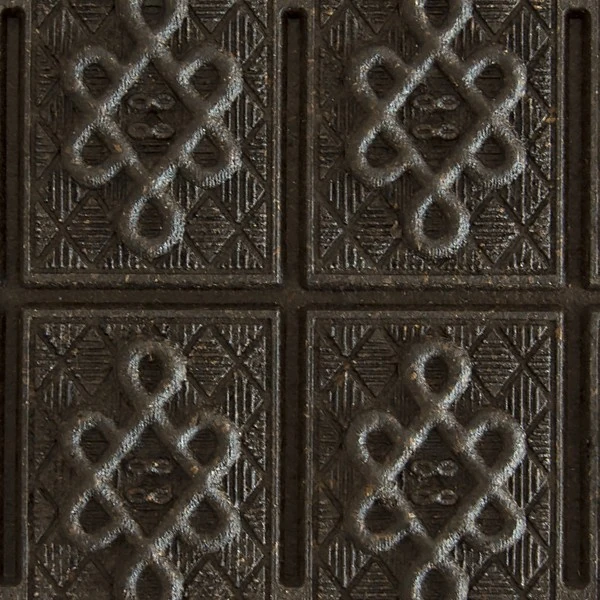
Pu-erh pressed into bricks like Sheng (raw)
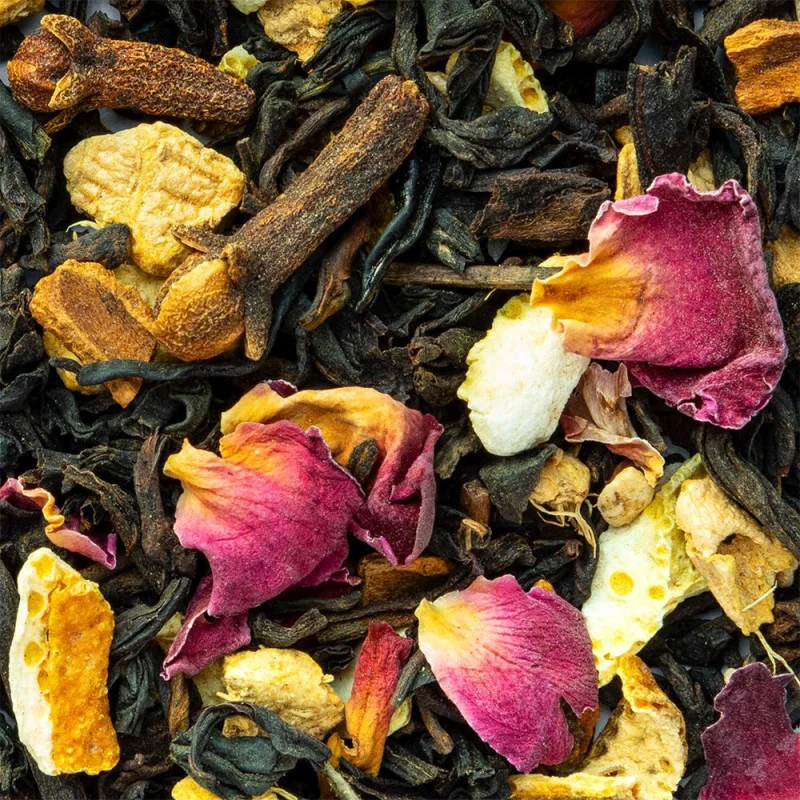
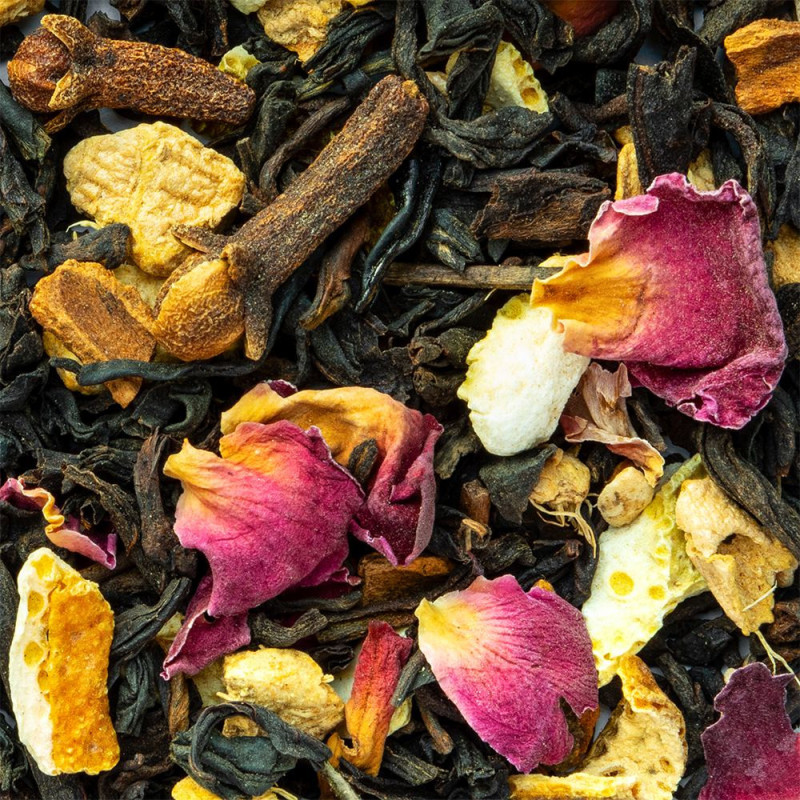
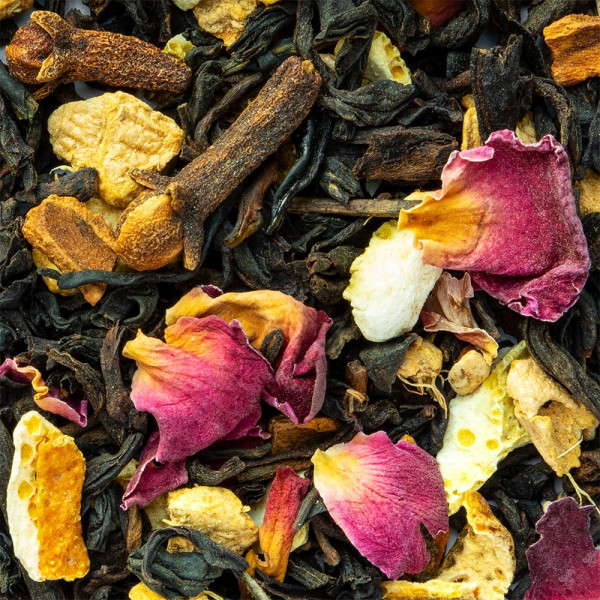
The Taj Mahal tea is a dark and captivating Pu-erh, where ginger, cinnamon, citrus peel and rose petals dance around an earthy, woody heart. A rich, spiced cup, perfect for awakening the morning or adding a fragrant pause to the day.
our expertise


In our workshop in Provence, each blend is handcrafted with passion by our team.
Real pieces of dried fruit, whole plants and carefully selected teas of origin.
Carefully crafted to create unforgettable tasting moments. A signature taste, an authentic experience.
At a glance: Taj Mahal tea blends a woody Pu-erh (51%) with smoky Lapsang Souchong, ginger, cinnamon, citrus peel, clove, cardamom and rose petals. Brewing: 100°C, 3–5 min, 12–15g/L.
This signature creation from our house is designed as a sensory journey built around Pu-erh. Its deep, dark base acts as a setting for a palette of spices and fruit that unfolds gradually through each sip.
This blend appeals to lovers of full-bodied cups and to curious minds eager to explore dark tea from a more indulgent angle. Browse our organic Pu-erh range to compare different profiles.
On the nose, the opening notes are bright and sunny: orange and lemon peel, vivid and zesty. Ginger follows immediately with a warm, almost peppery edge that sharpens the senses.
At the heart, cinnamon and cardamom settle into a rounded spice warmth reminiscent of the great chai blending traditions. Clove adds its dense, camphor-like note, giving structure to the whole without ever overpowering it.
In the base, the leaves reveal their woody and earthy character, underpinned by the subtle smoke of Lapsang Souchong. Rose petals lay an unexpected floral veil that softens the finish. A rich, long cup where every ingredient finds its place.
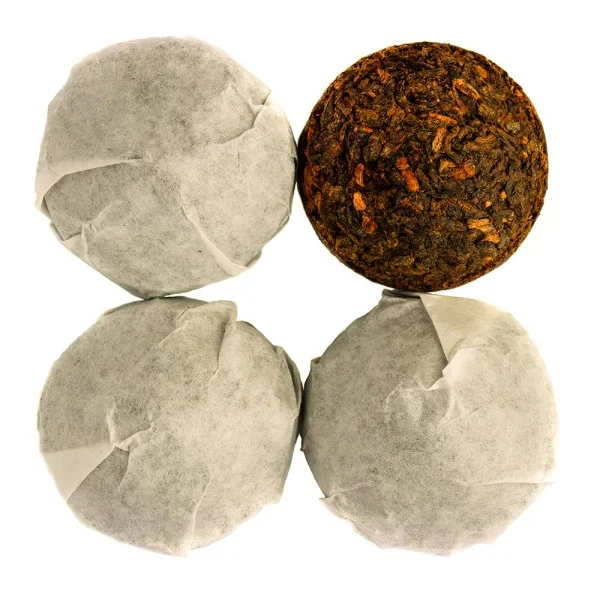
If you enjoy this dark, spiced style, you may also like our Mini Tuo Cha, presented in small compressed nests.
Bring low-mineral water to 100°C. Measure generously: 12 to 15 g per litre, roughly a heaped tablespoon for a 50 cl teapot.
Steep for 3 to 5 minutes, depending on your preferred strength. A shorter infusion highlights the citrus and rose; a longer one deepens the spice and wood. The leaves hold up well for a second infusion, slightly extended.
Enjoy this tea as it is to appreciate its full complexity. You can also prepare it chai-style, with a splash of plant-based milk and a touch of cane sugar. Try it as a morning ritual for a truly comforting moment.
To deepen your knowledge of dark tea, visit our complete Pu-erh guide and our article on Pu-erh and red tea.
Ginger and cardamom are traditionally used to support digestive comfort after meals. Cinnamon has been studied for its content in antioxidant phenolic compounds.
Our information is based on assessments by European health authorities on spices and botanicals. Julien Huot, founder of Thés & Traditions, personally selects each ingredient in this recipe to ensure the blend's balance is just right.
Store this blend in an airtight tin, away from light, moisture and strong odours. Packed in our workshop, it retains its full aromatic range for 24 months.
What does Taj Mahal tea taste like?
This recipe delivers a woody, spiced cup marked by ginger, cinnamon and cardamom, lifted by citrus peel and softened by rose petals. The dark base brings a characteristic earthy depth.
How do you brew Taj Mahal tea?
Use 12 to 15 g of leaves per litre of water at 100°C. Steep for 3 to 5 minutes according to your preferred strength. Strain and enjoy as is, or prepare it chai-style with a dash of plant-based milk.
What are the ingredients in Taj Mahal tea?
Pu-erh (51%), Lapsang Souchong, ginger, cinnamon, orange and lemon peel, clove, rose petals and cardamom. A generous composition, with no added flavourings.
Where can I buy Taj Mahal tea?
This creation is available directly from Thés & Traditions, packed in our own workshop. You benefit from a freshly assembled house recipe and carefully sourced spices and leaves.
Scientific assessments consulted: EFSA on phenolic compounds in cinnamon and ANSES on the traditional uses of ginger and cardamom.

Pu-erh pressed into bricks like Sheng (raw)

Pu-erh Mini Tuo Cha compressed into small bird's nest shapes


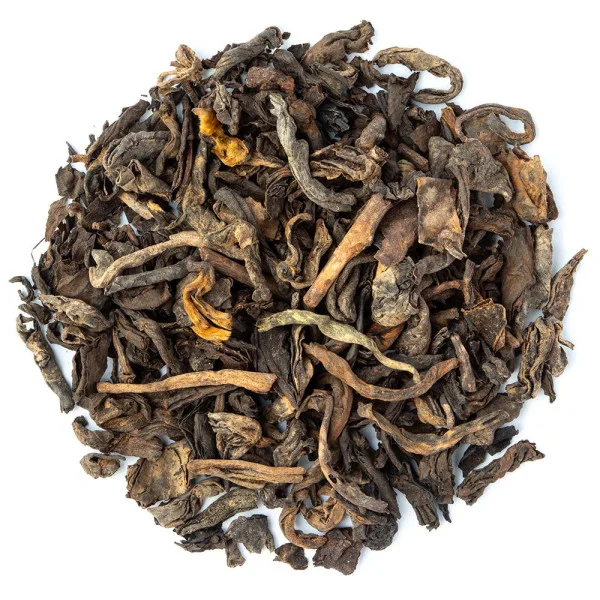
Premium Pu-erh, 5-year aged
French House
Independent since 2016.
Fast delivery
Home delivery or click & collect.
Made with heart
In the south of France.
Customer service
A real voice at the end of the line,
Monday to Friday: 04 22 91 35 75.
Sharing, passing it on: our teas, our tips, the occasional unexpected idea, and little attentions just for you. Pure pleasure, ready to steep.