 Grand Cru & Rare Teas


Organic
Darjeeling SFTGFOP1 Phuguri 1st Flush Organic
Exceptional First Flush Darjeeling, floral and sparkling
 Main Note:
Pure
Main Note:
Pure
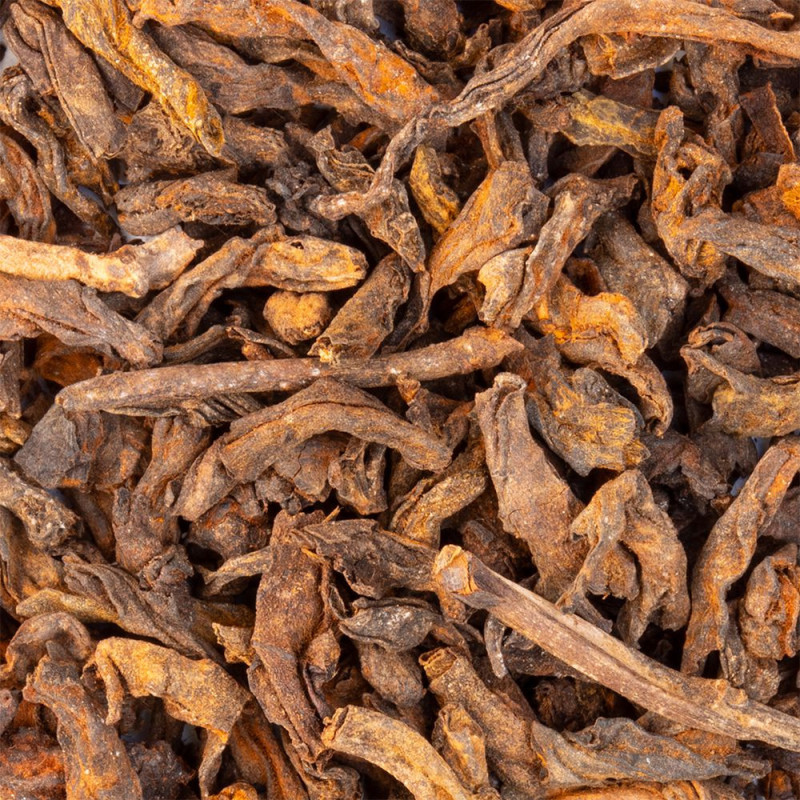
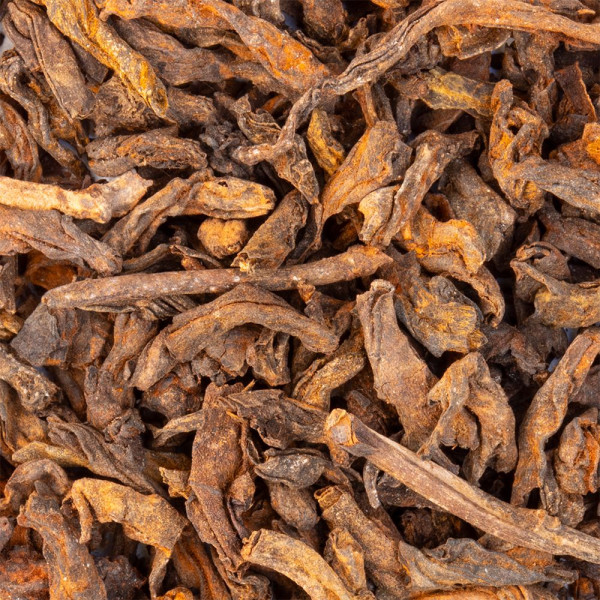
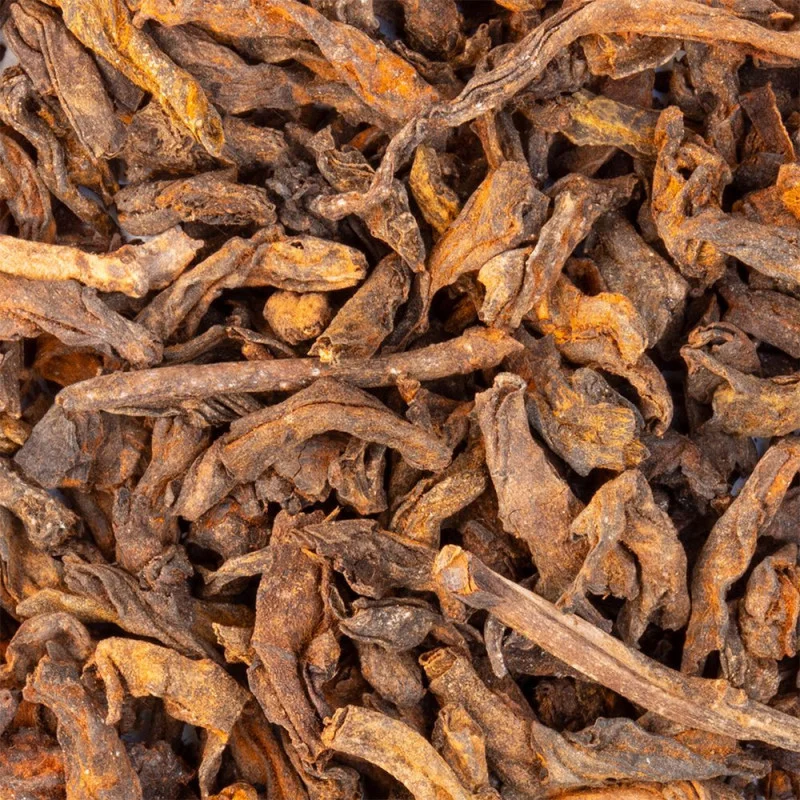
The Pu Erh Menghai 5 Years is a Chinese post-fermented grand cru, aged for five years to unveil its deep notes of dark chocolate, dried fruit, and forest floor. This organic loose-leaf shu puerh, sourced from Yunnan, is a smooth, woody companion for any time of day.
our expertise


In our workshop in Provence, each blend is handcrafted with passion by our team.
Real pieces of dried fruit, whole plants and carefully selected teas of origin.
Carefully crafted to create unforgettable tasting moments. A signature taste, an authentic experience.
At a glance: Organic Pu Erh Menghai 5 Years, a post-fermented grand cru from Yunnan, aged five years, with notes of dark chocolate and dried fruit. Brewing: 12 g/L, 100°C, 3 to 5 minutes.
Some teas are made to be enjoyed young, in the full brightness of their first harvest. Others ask for time. The Pu Erh Menghai 5 Years belongs to this second family, the family of teas that slowly deepen with age, much like a patient, well-cellared wine.
This cru is one of our most singular exceptional teas. Selected by Julien Huot for Thés & Traditions, it bears witness to an ancient Chinese craft in which controlled fermentation transforms the leaf into something sensorially rich and serene.
Discover this Chinese grand cru, refined over five years to reveal an aromatic palette of rare depth, worlds apart from young, lively teas.
In the cup, the liquor takes on an intense copper hue, almost mahogany. The nose opens with clear notes of roasted cacao, followed by drifts of damp forest floor and worn leather. An aromatic signature unlike any other category of tea.
On the palate, the attack is round and velvety, with not the slightest astringency. Dark chocolate notes take the lead, supported by a thread of dried fruit (date, dried fig) and a gently damp, woody finish that recalls wet bark after a storm.
This profile is the hallmark of controlled post-fermentation, characteristic of shu puerh (cooked puerh). During the process, the leaves undergo slow microbial oxidation, which develops deep aromas and softens the tannins. Five additional years of aging refine the bouquet further, smoothing out any earthy edge that younger crus might carry.
Menghai puerh, named after the celebrated district of Xishuangbanna in Yunnan, is considered the historic benchmark for this style. The region brings together ideal conditions: altitude, humidity, clay-rich terroir and leaves from ancient tea trees (the daye, or large-leaf variety).
Unlike compressed cakes (bingcha, tuocha, brick) sold in disc or nest form, our Menghai 5 Years is packaged loose-leaf. This makes precise dosing easy, lets you observe the unfurled leaves, and allows the aromas to express themselves from the very first infusion.
Dark and twisted, the leaves release a characteristic woody fragrance as they meet hot water. They unfurl slowly, revealing their thickness and the quality of the sorting carried out at the Menghai factory, one of China's most respected for this style of production.
To continue exploring Chinese grand crus, discover our Yin Zhen (Silver Needle), an exceptional white tea at the sensory opposite of puerh, or our Mao Feng Hua Hai green tea.
This grand cru rewards a little care and precision. Here are the brewing parameters we recommend at Thés & Traditions.
A step many enthusiasts swear by: a quick rinse. Pour boiling water over the leaves, let it rest for ten seconds, then discard. This awakens the leaves, removes any dust and softens the first true infusion.
Puerh lends itself beautifully to multiple infusions in the gongfu cha style. Using 12 g of leaves in 200 ml of water in a small clay teapot (ideally a Yixing zisha), you can draw five to eight short steeps of 20 to 40 seconds. Each pass reveals a different facet: first woody, then cocoa-rich, finally lightly mineral.
Serve in fine porcelain or stoneware cups, which retain heat without interfering with the flavour. The liquor, rich and deep, is best enjoyed without sugar or milk: it is made to express its natural roundness on its own.
The Menghai 5 Years also pairs beautifully at the table. It is at home alongside dark chocolate, dried fruit, a blue-veined cheese, or even rich, fatty dishes (Peking duck, charcuterie) whose weight it balances effortlessly with its depth. It is one of the rare genuinely gastronomic teas.
Packaged in our workshop, this puerh keeps best in an airtight tin or resealable pouch, away from light, excess moisture and strong odours. A dry shelf at a stable temperature is all it needs.
One of puerh's great distinctions: unlike green or white teas, which are best consumed within the year, this cru continues to evolve over time. Stored correctly, it will keep refining, gaining in roundness and complexity. Many enthusiasts buy a second batch to set aside for a few years.
How much does Menghai puerh cost?
The price of a Menghai puerh depends on age, leaf grade and format (loose-leaf, cake, brick, tuocha). Our organic Menghai 5 Years loose-leaf sits in the accessible grand cru category, with a quality-to-price ratio carefully considered by Thés & Traditions for seasoned enthusiasts and curious newcomers alike.
How do I choose a Menghai puerh?
Look for an organically certified puerh made from whole leaves (daye, large-leaf) with a clearly stated aging period. Shu puerhs (cooked, post-fermented) offer an immediately round, woody profile. The loose-leaf format lets you assess leaf quality at a glance, unlike compressed cakes, which are harder to evaluate visually.
What types of Menghai puerh are there?
There are two main families: puerh sheng (raw, unfermented, which ages slowly and naturally) and puerh shu (cooked, rapidly post-fermented). Formats vary: loose-leaf, cake (bingcha), brick, tuocha (bird's nest) or packet. Our Menghai 5 Years is a loose-leaf shu.
Where does Menghai puerh come from?
Menghai puerh originates from the eponymous district in the Xishuangbanna prefecture, in southern Yunnan, China. This region is the historic birthplace of puerh, thanks to its humid climate, clay soils and ancient tea trees. The Menghai factory has been a reference in the field since 1940.
What are the traditional uses of Menghai puerh?
Menghai puerh is traditionally enjoyed in China alongside meals, particularly rich dishes. Its roundness and lack of astringency make it a comfortable, easy-drinking tea throughout the day. For detailed information on traditional uses, please refer to official sources dedicated to tea.

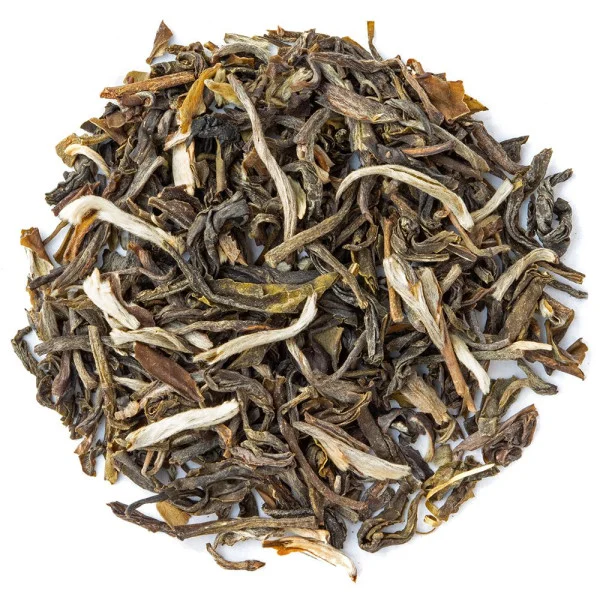
Exceptional First Flush Darjeeling, floral and sparkling

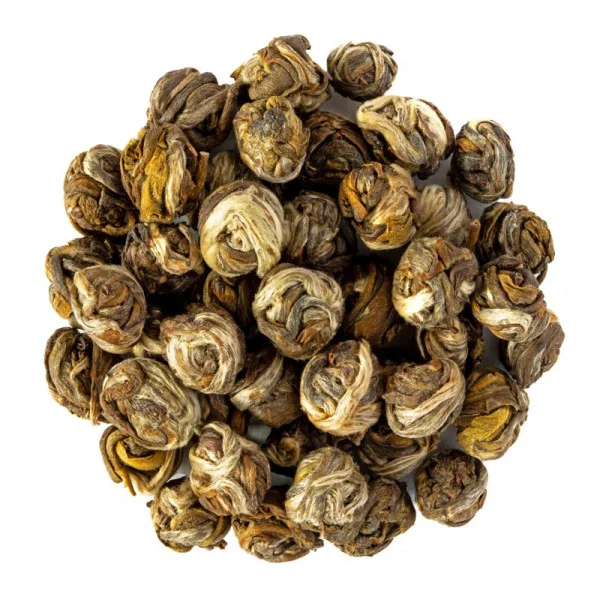
Exceptional white tea, each leaf hand-rolled

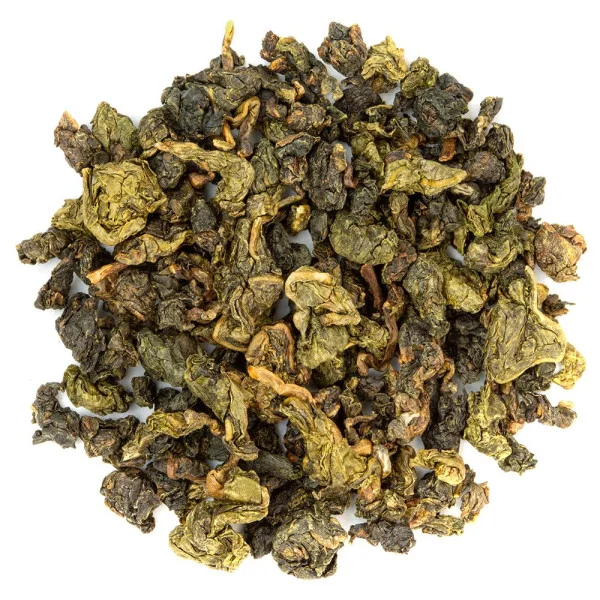
Rare oolong with intermediate oxidation, sourced from Java, Indonesia

A rare tea that offers an unforgettable taste experience.
French House
Independent since 2016.
Fast delivery
Home delivery or click & collect.
Made with heart
In the south of France.
Customer service
A real voice at the end of the line,
Monday to Friday: 04 22 91 35 75.
Sharing, passing it on: our teas, our tips, the occasional unexpected idea, and little attentions just for you. Pure pleasure, ready to steep.