Green Tea and Iron: Should You Worry?

Yes, green tea can reduce the absorption of plant-based iron, because of the tannins it contains. The good news: simply drinking your tea away from meals rather than alongside them is usually enough to limit this effect. For most healthy people, moderate green tea drinking is no cause for concern. If you have anaemia or a confirmed iron deficiency, it is best to talk to your doctor.
Does green tea really block iron absorption?
Green tea contains tannins, natural compounds that give it its gentle astringency on the palate. According to studies, these tannins can bind to iron in the gut and slow its absorption, especially when tea is drunk during a meal. The effect is real, but its everyday impact is often overstated.
The key point: it all depends on the type of iron involved. Tea has almost no influence on iron from animal sources, which the body absorbs much more easily. It is mainly plant-based iron that is sensitive to tannins.
What effect does tea have on iron?
To understand this clearly, it helps to distinguish two forms of dietary iron:
- Heme iron (animal): found in meat, poultry and fish. It is very well absorbed and remains largely unaffected by tea tannins.
- Non-heme iron (plant): found in legumes, leafy greens, whole grains and dried fruit. Its intestinal absorption is lower and more easily reduced by tannins.
In other words, if you eat mostly animal protein, tea's impact on your iron will be very limited. If your diet is more plant-based, a few good habits are enough so you never have to give up tea.
Is green tea risky if you are anaemic?
If you have diagnosed anaemia or iron deficiency, caution is sensible, without demonising tea. This is a topic worth discussing with a health professional: they can assess your ferritin level, adjust your intake and tell you whether drinking tea fits your situation.
As a general rule, the advice is simply to avoid drinking large amounts of tea just before, during or just after meals rich in plant iron. Green tea does not cause anaemia, but it can, at the margin, make it harder to correct if it always accompanies meals.
How many cups of green tea per day?
There is no magic number that suits everyone. For a healthy person, two to three cups of green tea a day fit comfortably into a balanced day. What matters most is not so much the amount as the timing of your tea.
If you are watching your iron, keep the pleasure of tea for moments outside meals: mid-morning, an afternoon break, or simply for the ritual. That is also when you best savour the delicate aromas of a fine green tea.
How to improve iron absorption despite tea
A few simple habits let you reconcile your love of tea with good iron intake:
- Space tea away from meals: ideally leave one to two hours between your meal and your cup, especially for meals rich in plant iron.
- Pair iron with vitamin C: a squeeze of lemon, citrus, peppers or kiwi during the meal supports the absorption of plant iron.
- Vary your sources: legumes, nuts and seeds, leafy greens, and well-absorbed animal sources if you eat them.
- Keep an eye on your ferritin: a blood test tells you where you stand, no guessing required.
With these habits, green tea remains a daily pleasure without conflicting with your nutritional needs.
Does black tea also affect iron absorption?
Yes, and often a little more than green tea. Black tea is generally richer in tannins, which can heighten their effect on non-heme iron when drunk with meals. The logic is exactly the same: plant iron is mainly affected, and timing makes all the difference.
The same advice therefore applies to black tea as to green tea: enjoy it preferably away from meals, and do not hesitate to ask your doctor for advice in case of deficiency.
Frequently asked questions
Yes, with a few precautions, especially by drinking it away from meals. In case of confirmed deficiency, ask your doctor, who will tailor advice to your situation.
One to two hours before or after a meal rich in plant iron is a good guide to limit the effect of tannins.
Vitamin C is known to support the absorption of non-heme iron. Pairing a source of vitamin C with your plant-based meals is a simple, useful habit.
The issue comes from tannins, not caffeine. A partially decaffeinated tea still contains tannins, so the same timing advice applies.
From Japan to China, find our green tea selection, carefully selected by our family tea house.
Tempted to try it?
Our selection related to this article, loose leaf and organic.
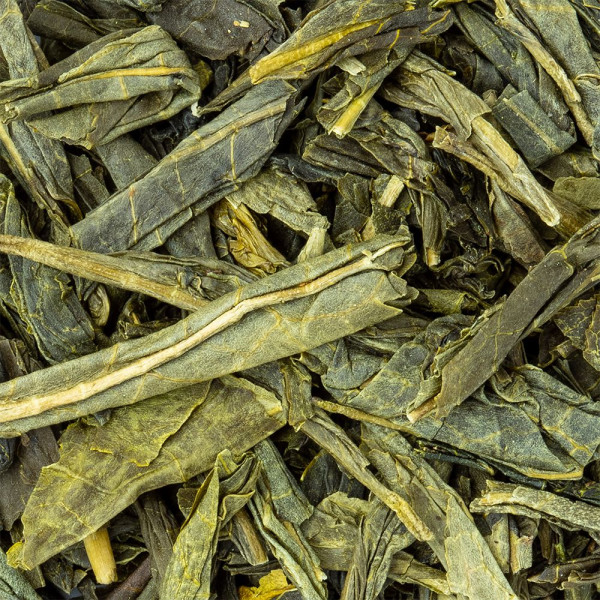
Sencha Green Tea
Organic Sencha is a timeless staple in China and Japan, where it is enjoyed daily.
€6.50Discover
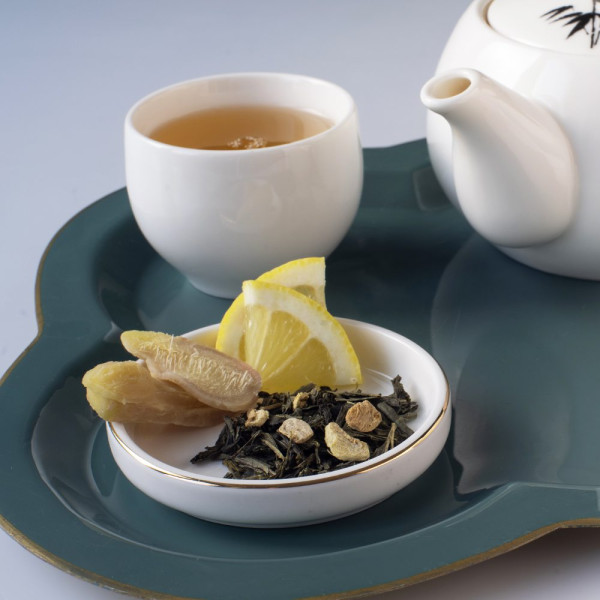
Yangtze Green Tea
Organic Yangtze green tea brings together a delicate Sencha with the brightness of lemon and the warmth of ginger.
€7.90Discover
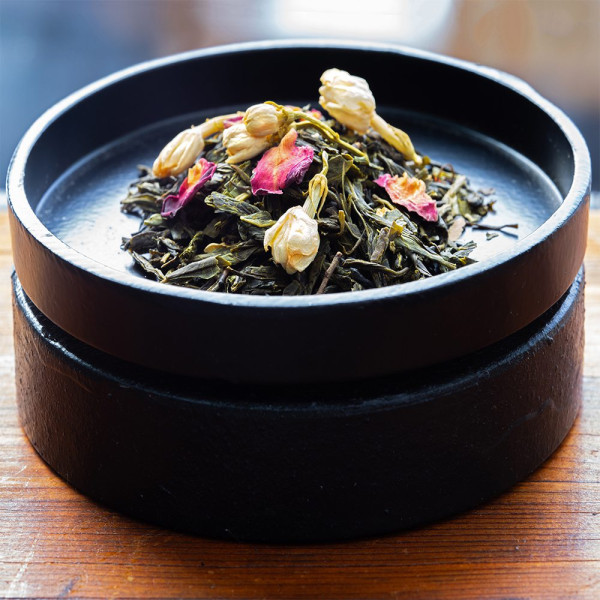
Tokyo Nights Green Tea
Tokyo Nights Green Tea: a floral, indulgent blend of Sencha, Chun Mee and jasmine green tea, lifted by rose petals and notes of…
€7.90Discover