Green Tea and Breastfeeding: Key Facts

Yes, you can generally drink green tea while breastfeeding, as long as you stay moderate. A small amount of caffeine passes into breast milk and, in excess, may make some babies more unsettled or disturb their sleep. A few cups a day, sensibly spaced, are often fine. If in doubt, or if your baby seems sensitive, talk to your doctor.
Can you drink green tea while breastfeeding?
Green tea is not forbidden while breastfeeding. It is above all a matter of moderation, just like coffee or other caffeinated drinks. Green tea contains caffeine, as well as tannins and natural compounds such as catechins.
For many new mothers, rediscovering the ritual of a cup of tea is a real comfort during an often tiring time. There is no reason to give it up entirely, as long as your intake stays reasonable and you remain attentive to your baby's reactions.
How much green tea while breastfeeding?
There is no single figure, because caffeine content varies with the tea and the steeping time. The right guide remains moderation, counting all sources of caffeine across the day (tea, coffee, soft drinks, chocolate). In practice, two to three cups of green tea spread over the day are often fine.
A few simple habits help keep the pleasure without excess:
- Steep the tea for less time for a cup lighter in caffeine.
- Avoid drinking it all at once, especially late in the day.
- Count tea in your daily caffeine total.
- Observe your baby and adjust if needed.
Does caffeine pass into breast milk and affect the baby?
Yes, a fraction of the caffeine you consume passes into breast milk, usually in small amounts. In most babies, moderate consumption is no problem. However, excess caffeine can make some infants more restless, harder to settle or disturb their sleep.
Newborns eliminate caffeine more slowly than adults, which is why caution is sensible in the first weeks. Every baby is different: some are barely sensitive, others more so. Observation remains your best guide, and any concern is worth raising with a health professional.
What precautions to take around feeding times?
When you drink your tea can make a difference. Many mothers choose to have their green tea just after a feed rather than just before, to leave as much time as possible before the next feed. The caffeine then has time to be partly eliminated.
If your baby seems particularly unsettled or sleeps poorly, you can also concentrate your tea earlier in the day and favour caffeine-free drinks in the late afternoon and evening. As during pregnancy, it is best to drink tea away from meals to protect iron absorption.
Which caffeine-free alternatives during breastfeeding?
To vary your pleasures without adding caffeine, several gentle options exist:
- Rooibos: naturally caffeine-free, smooth and slightly sweet, a much-loved alternative at any time.
- Some herbal infusions: not all plants are equal during breastfeeding, and some are not recommended. It is best to seek advice before drinking them regularly and to favour references clearly suited to this period.
- A lighter green tea: briefly steeped, in a reasonable amount and rather earlier in the day.
The key is to keep tea as a comforting pleasure, staying attuned to your body and your baby, and asking your doctor for advice when in doubt.
Frequently asked questions
Moderation comes first: two to three cups spread over the day are often fine, counting all caffeine sources. Adjust if your baby seems sensitive.
Rather just after a feed, to leave as much time as possible before the next one and let the caffeine be partly eliminated.
There is no reason to expect a particular effect on lactation from moderate consumption. For any question about your milk supply, ask your doctor or a lactation consultant.
Rooibos is an excellent caffeine-free option for the evening. For herbal infusions, seek advice, as not all are suitable during breastfeeding.
Build your ritual : browse our green tea range, plain or flavoured.
Tempted to try it?
Our selection related to this article, loose leaf and organic.
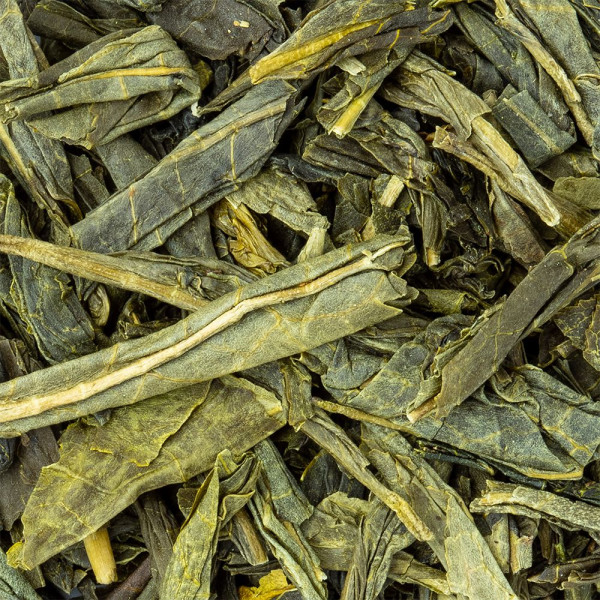
Sencha Green Tea
Organic Sencha is a timeless staple in China and Japan, where it is enjoyed daily.
€6.50Discover
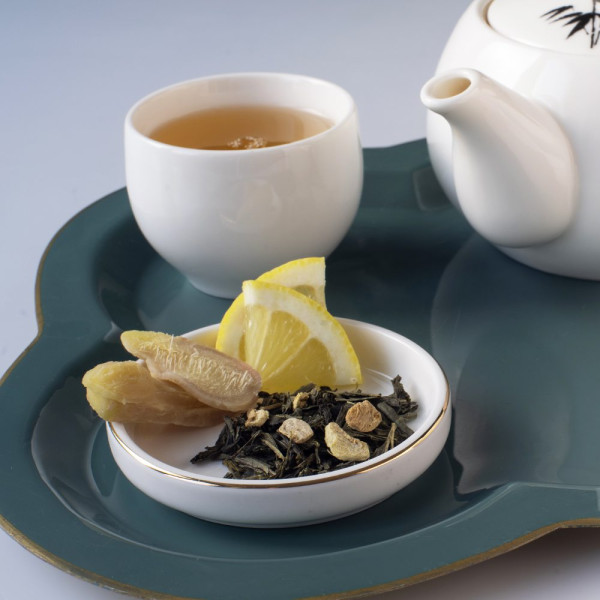
Yangtze Green Tea
Organic Yangtze green tea brings together a delicate Sencha with the brightness of lemon and the warmth of ginger.
€7.90Discover
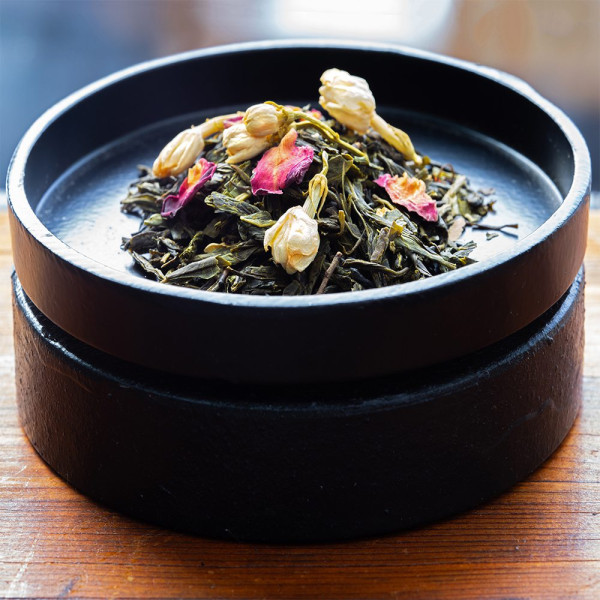
Tokyo Nights Green Tea
Tokyo Nights Green Tea: a floral, indulgent blend of Sencha, Chun Mee and jasmine green tea, lifted by rose petals and notes of…
€7.90Discover