Green Tea Benefits: 7 Science-Backed Health Properties

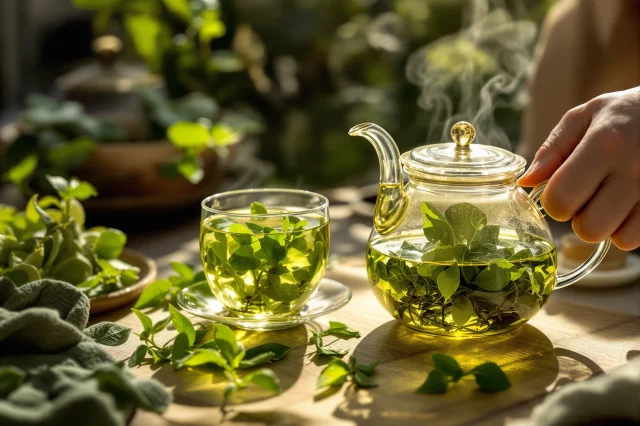
A quick look back at history: this plant has been consumed in Asia for 5,000 years, as a core ingredient of traditional Chinese medicine. What sets green tea apart from other teas is its production process itself. Its natural oxidation stops abruptly right after the leaves are picked, and it is this very process that preserves so many of its naturally occurring compounds. Drinking organic green tea is now widely popular, and for good reason: beyond its excellent flavour, it is a fresh, antioxidant-rich pleasure to enjoy every day.
Green tea, a daily pleasure for the senses
Green tea is a wonderful everyday companion, in more ways than one. A few simple reasons explain why so many people make it part of their routine. It is a calorie-free drink and a lovely way to stay hydrated throughout the day, with far more character than a plain glass of water. Above all, it is naturally rich in antioxidants and brings a real moment of calm thanks to its gentle, soothing character. Its fresh, vegetal aromas and its delicate cup make it a comforting ritual, morning, noon or afternoon, savoured purely for the pleasure of it.
Green tea and a balanced lifestyle
Green tea has long held a natural place in a mindful, balanced way of living. One of its great strengths is simple: it is a calorie-free drink that you can enjoy freely from morning to evening. Light and refreshing, it slips easily into daily routines and makes a lovely alternative to sweeter drinks. No tea, on its own, replaces a balanced diet and regular activity, but a fresh cup of green tea is the kind of small, antioxidant-rich pleasure that fits beautifully into a healthier everyday rhythm.
Green tea, a feel-good beauty ritual
To round off this overview, here is one with a more sensory dimension. Green tea, naturally rich in antioxidants, has inspired countless rituals of wellbeing and self-care. Beyond the cup itself, its fresh aromas and gentle warmth make it a comforting moment just for you, the kind of everyday habit that simply feels good and rounds off a thoughtful beauty routine from the inside out.
What are the benefits of Chinese green tea?
Chinese tea is produced using a distinctive method: the leaves are heated at high temperature in a wok. This process deactivates the enzymes responsible for oxidation. Chinese tea comes in an extraordinary range of varieties. One of the most prized, Gunpowder, is rolled into small pearls that unfurl in the cup: it releases a fresh, lively, thirst-quenching taste that has made it a much-loved everyday green tea.
A drink with a long history of research
Few beverages have inspired as much scientific curiosity as green tea. Researchers around the world have long been interested in its naturally occurring compounds, especially its polyphenols. Here is some of what makes it so widely studied:
- A rich antioxidant profile: green tea is one of the plant drinks most studied for its catechin content.
- Caffeine and L-theanine: this pairing is often associated with a feeling of calm, attentive focus.
- Hydration: a flavourful, calorie-free way to drink enough across the day.
- A daily ritual: a warming pause that many people treasure morning and afternoon.
Green tea is a pleasure to enjoy, not a medicine or a treatment. For any health concern, please consult a qualified professional. Pregnant women, people on anticoagulant therapy, and children should seek medical advice before consuming it regularly.
Polyphenols and free radicals: how it works
The polyphenols in green tea (catechins, flavonoids) are widely studied for their antioxidant properties. Green tea's antioxidant capacity is measured by the ORAC index (Oxygen Radical Absorbance Capacity), where it ranks among the most potent beverages, which is part of what makes it such a prized everyday drink.
EGCG, the primary catechin, is the compound most associated with green tea's naturally antioxidant character. It is one of the most extensively studied plant polyphenols, and a big part of what gives a good green tea its distinctive freshness, best enjoyed simply as part of a balanced lifestyle overall.
Side effects and precautions: benefits and limitations
Like any caffeinated beverage, green tea comes with a few simple precautions to keep in mind:
- Iron absorption: tannins reduce the absorption of non-haem iron. Leave a 1 to 2 hour gap between green tea and iron-rich meals (lentils, spinach, red meat).
- Caffeine: 2-3 cups contain 50-100 mg of caffeine. Avoid drinking after 5 pm if you are sensitive. Pregnant women should limit themselves to 2 cups per day.
- Drug interactions: vitamin K and anticoagulants may interact with green tea. Consult your doctor.
- Tea quality: choose organic loose-leaf green tea and avoid industrial tea bags, which are often made from broken leaves and may carry pesticide residues.
Types of green tea and their specific benefits
Not all green teas are equal in catechin concentration. Here are the main varieties:
- Japanese Sencha: a well-balanced profile, rich in EGCG, ideal for everyday drinking.
- Ceremonial grade Matcha: leaves ground into a fine powder and fully ingested, up to three times more concentrated in catechins (used in the Japanese tea ceremony).
- Gyokuro: shade-grown, even richer in L-theanine than other varieties.
- Bancha: low in caffeine, ideal later in the day to enjoy the benefits without restlessness.
- Chinese Long Jing (Dragon Well): a floral profile, rich in chlorophyll.
- Mint green tea (Marrakech style): Gunpowder blended with nana mint, a perfect after-dinner digestif.
- Jasmine tea: a classic Chinese scented green tea with combined antioxidant properties.
Green tea vs other tea families: how do the benefits compare?
A comparison of the main tea families can help you choose according to your needs:
- White tea: minimally processed, a very similar antioxidant profile to green tea, with even less caffeine.
- Black tea: fully oxidised, losing some catechins but retaining other flavonoids (theaflavins).
- Green tea: the best balance between antioxidant richness (catechins, EGCG) and everyday accessibility.
- Rooibos: caffeine-free, a good evening alternative, though lower in EGCG (with a different polyphenolic profile).
To make the most of each tea's benefits, vary your choices according to the time of day and the season.
Choosing a quality green tea to get the full benefits
The quality of green tea determines the concentration of its active compounds. In our online shop, Thés & Traditions offers a carefully curated selection of organic loose-leaf green teas, sourced directly from partner producers in Japan, China, and Sri Lanka. All our teas are certified organic, ensuring no pesticide residues and the full preservation of polyphenols.
We offer free standard delivery within mainland France on orders from €49. Sign up for our newsletter to receive seasonal gift ideas, blog articles, and new arrivals. Our team is here to guide you with practical advice for making green tea a regular, enjoyable part of a healthy lifestyle.
How many cups of green tea per day to feel the effects?
Most tea lovers settle on 2 to 5 cups per day as a comfortable everyday rhythm. Beyond that, the effects linked to caffeine and tannins (insomnia, irritability, reduced iron absorption) may begin to outweigh the pleasure. For athletes or those looking for an energy boost, Matcha green tea (approximately 1 g per serving) can replace a standard cup. Adjust your intake to your personal sensitivity and to the moments of the day when you most enjoy a fresh, comforting cup.
Catechins and EGCG: the antioxidant signature of green tea
Green tea is particularly rich in catechins, a family of polyphenols whose most abundant form, EGCG (epigallocatechin gallate), is one of the most studied plant-based antioxidants. EGCG helps neutralise free radicals and protect cells from oxidative stress. This property is recognised by the EFSA for plant polyphenols and is the subject of numerous clinical studies.
L-theanine: the calm focus molecule
Green tea also contains L-theanine, an amino acid unique to Camellia sinensis. This molecule promotes a state of alert calm: it moderates the stimulating effect of caffeine, increases alpha brain waves (attentive relaxation), and improves concentration without restlessness. This is why green tea is so appreciated by students, meditators, and remote workers alike.
Green tea and a balanced everyday rhythm
Green tea has always had a natural place in a balanced way of living. Calorie-free and refreshing, it is a flavourful alternative to sweeter drinks and slips easily into an active daily routine. No tea works miracles on its own, but a fresh cup of green tea is a simple, antioxidant-rich pleasure that complements a balanced diet and regular activity beautifully.
Green tea, a treasured everyday ritual
Across the world, green tea has become much more than a drink: it is a daily ritual. From the Japanese tea ceremony to the simple afternoon cup, it offers a warm, mindful pause in the day. Naturally rich in antioxidants and free from calories, it is the kind of small, comforting habit that fits gently into a balanced way of living.
Green tea, a feel-good moment
Beyond the cup, green tea has inspired countless rituals of self-care and wellbeing. Naturally rich in antioxidants, its fresh aromas and gentle warmth make it a comforting moment just for you. Enjoying green tea is a lovely way to round off a thoughtful beauty routine from the inside out, simply for the pleasure of it.
How to brew green tea to make the most of its benefits
To preserve the antioxidants: use water at 70-80 °C (never boiling, as high heat degrades EGCG), steep for 2 to 3 minutes, and use 4-5 g per 300 ml. Drink between meals, as tannins can limit iron absorption. Our organic green tea selection ensures the highest catechin quality in every cup.
Tempted to try it?
Our selection related to this article, loose leaf and organic.
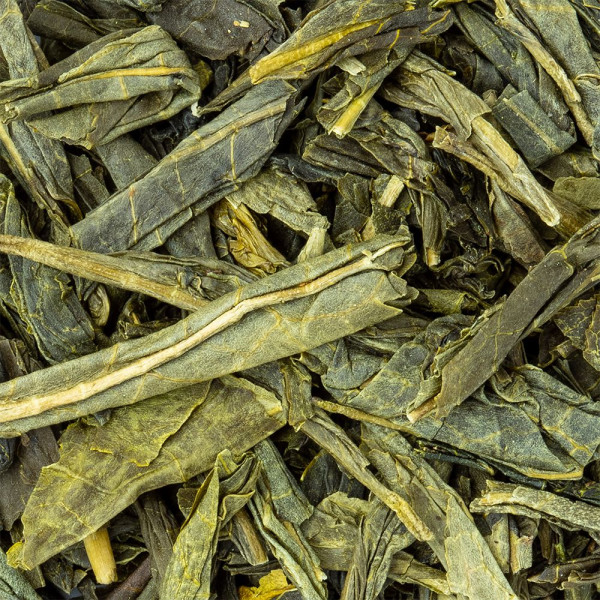
Sencha Green Tea
Organic Sencha is a timeless staple in China and Japan, where it is enjoyed daily.
€6.50Discover
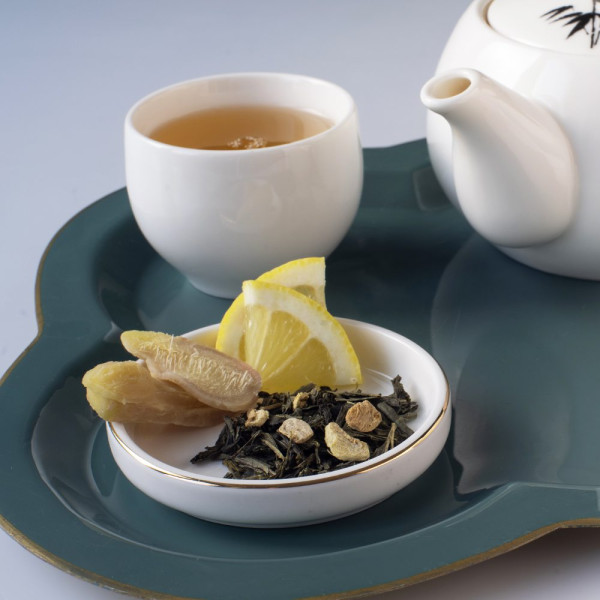
Yangtze Green Tea
Organic Yangtze green tea brings together a delicate Sencha with the brightness of lemon and the warmth of ginger.
€7.90Discover
Tokyo Nights Green Tea
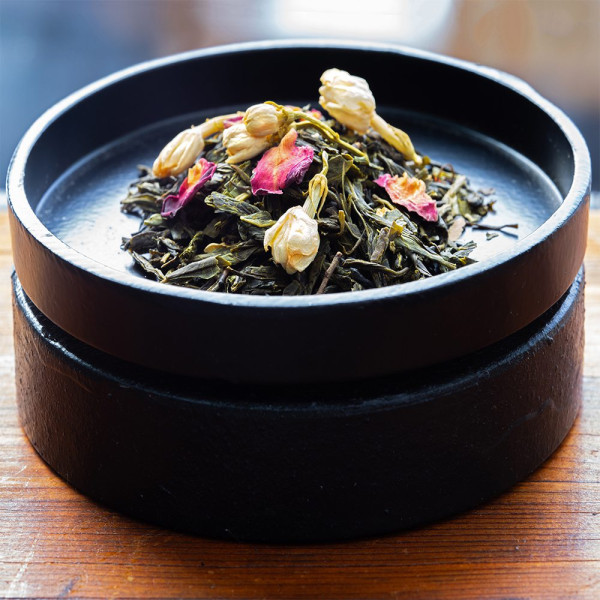
Tokyo Nights Green Tea: a floral, indulgent blend of Sencha, Chun Mee and jasmine green tea, lifted by rose petals and notes of…
€7.90Discover