Green tea and the liver: what to know

Enjoyed in reasonable amounts, brewed green tea fits naturally into the day without posing any particular problem for most healthy people. The key nuance lies in the form you consume: a cup of brewed tea is nothing like concentrated food supplements, whose high doses call for more caution. On any question concerning the liver, a doctor's advice remains the reference, especially if you are on medication or have a known condition.
Is green tea dangerous for the liver?
For a healthy person, savouring a few cups of green tea over the day is not a recognised danger for the liver. The cases reported in the literature almost always involve highly concentrated extracts, in capsule or slimming-supplement form, taken in high doses and sometimes on an empty stomach, rather than the classic homemade infusion.
The difference comes down to concentration. A cup releases a measured amount of catechins, the natural compounds of green tea. A supplement, on the other hand, can pack the equivalent of many cups into a single dose, which changes the scale entirely. It is this accumulation that calls for vigilance, not the pleasure of a steaming cup.
In short: brewed green tea, as part of normal and varied consumption, is not considered problematic. Concentrated supplements, however, deserve to be supervised by a health professional.
Infusion or extract: an essential difference
If you remember just one thing, let it be this: everything comes down to the dose. Green tea contains catechins, including EGCG (epigallocatechin gallate), a natural compound closely studied by research. In a brewed cup, these compounds are present in reasonable amounts, diluted in water and accompanied by the aromas of the tea.
Food supplements work on the opposite logic: they isolate and concentrate EGCG to deliver a lot in a small volume, sometimes several hundred milligrams a day. It is this concentration, not the tea itself, that has led some health authorities to recommend caution towards high-dose extracts. The homemade infusion does not fall into that category and remains an everyday pleasure.
In other words, savouring a good cup of green tea and swallowing a concentrated capsule are not at all the same thing. If you are drawn to a supplement, talk to your doctor or pharmacist before taking it, especially over time.
What are the benefits of green tea for the liver?
Let us be honest here: green tea is not a liver treatment and replaces no medical follow-up. What can be said without overpromising is that it is naturally rich in antioxidants, notably catechins, and fits readily into a balanced, low-sugar diet, where the role of drinks matters.
Swapping a soda or a very sweet drink for a cup of unsweetened green tea is above all a pleasant act of moderation. Any benefit then comes from the overall lifestyle rather than from any effect attributed to the drink alone. For any specific question about liver health, a doctor is the right person to turn to.
It is tempting, on subjects like this, to look for the miracle food or drink. The reality is simpler and more reassuring: no single ingredient does it all. Green tea can elegantly accompany a balanced day by replacing less interesting drinks, without our needing to credit it with a role it does not have.
Does green tea help detoxify the liver?
Here is a myth to gently take apart. The idea of a drink that would cleanse or detoxify the liver is appealing, but the liver is already, by nature, the organ in charge of filtering and eliminating. No infusion replaces it in that role, nor makes it more efficient in any demonstrated way.
The word detox, so common in everyday language, belongs more to marketing than to any established physiological reality. Drinking green tea can be part of a routine you find pleasant and light, but you should not credit it with cleansing powers. The best way to look after your liver remains an overall healthy lifestyle, worth discussing with your doctor.
In the same way, it would be unwise to believe that a drink could prevent a serious liver disease. No infusion holds that power, and only medical follow-up allows the health of this organ to be monitored. Green tea is savoured for what it is: a moment of pleasure and softness, not a remedy.
How to drink green tea safely?
A few simple habits let you enjoy green tea with peace of mind:
- Favour brewed tea at home rather than concentrated extracts or slimming supplements.
- Avoid drinking it on an empty stomach if your stomach is sensitive: a cup during or after a meal is often better tolerated.
- Keep to moderate consumption spread over the day rather than a large amount at once.
- Adjust to your sensitivity to theine, especially later in the day.
- Ask your doctor if you are on medication, have a known liver condition, are pregnant or breastfeeding.
For the brew itself, water around 70 to 80 degrees and a short steeping time preserve the delicacy of green tea and avoid bitterness, for a soft and pleasant cup.
What are the side effects of green tea?
Consumed in moderation, green tea is generally well tolerated. Any discomfort is mostly linked to theine (the caffeine in tea) or to excessive consumption:
- A cup drunk on an empty stomach may cause mild digestive discomfort in sensitive people.
- Theine, taken late in the day, can disturb falling asleep.
- Drunk in large amounts with meals, green tea may reduce the absorption of plant-based iron, which invites caution in case of anaemia.
These effects remain modest and are easily managed through moderation and good timing. If doubt persists, a health professional can advise.
How much green tea per day?
There is no single figure that applies to everyone. For a healthy adult, a few cups spread over the day correspond to common and reasonable consumption. Sensitivity to theine, any medication, pregnancy or an iron deficiency are all reasons to scale down.
The best guide remains listening to your body and moderation. Rather than aiming to drink a lot, it is better to savour each cup as a moment for yourself. And for any particular situation, a doctor's advice helps find the right balance.
Frequently asked questions
For a healthy person, infusion drunk in normal amounts is not recognised as a danger for the liver. Caution mainly concerns concentrated extracts in capsules.
In case of a liver condition or ongoing treatment, it is best to talk to your doctor before adjusting your consumption, whether infusion or supplements.
No. The liver itself filters the body. No infusion detoxifies it; the word detox belongs mostly to everyday language.
A few cups a day suit most healthy adults. Moderation and listening to your sensitivity to theine remain the best guides.
Ready for a cup ? Browse our green teas from Japan and China and find the one that suits you.
Tempted to try it?
Our selection related to this article, loose leaf and organic.
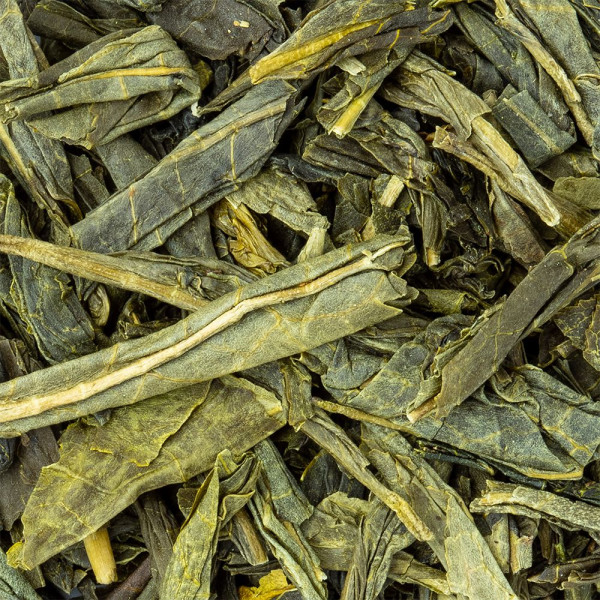
Sencha Green Tea
Organic Sencha is a timeless staple in China and Japan, where it is enjoyed daily.
€6.50Discover
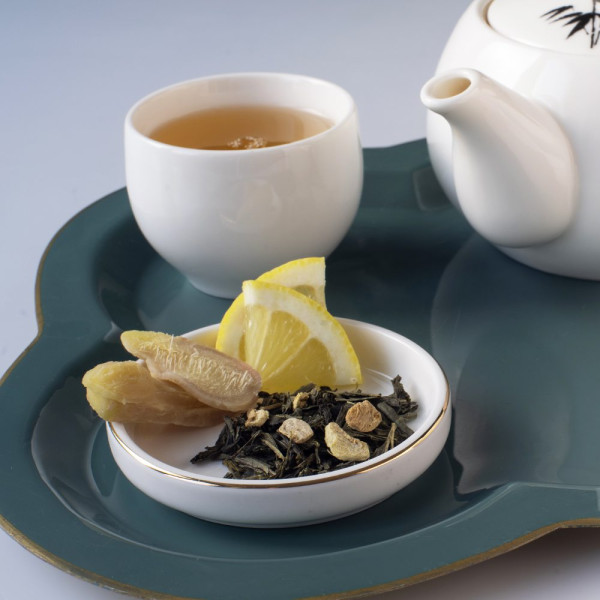
Yangtze Green Tea
Organic Yangtze green tea brings together a delicate Sencha with the brightness of lemon and the warmth of ginger.
€7.90Discover
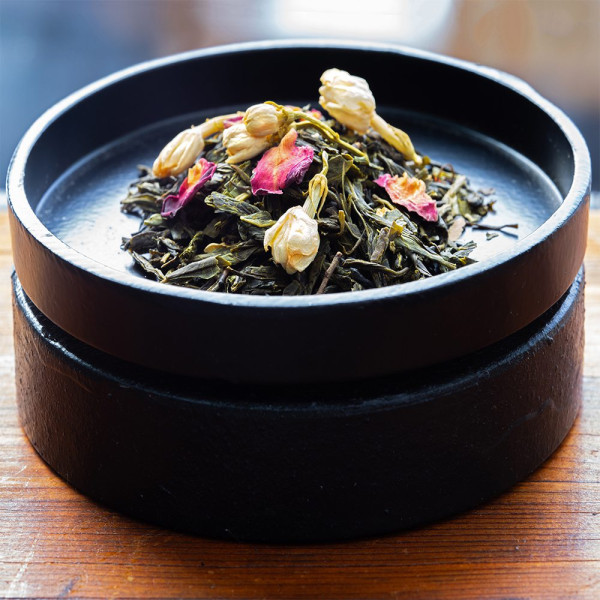
Tokyo Nights Green Tea
Tokyo Nights Green Tea: a floral, indulgent blend of Sencha, Chun Mee and jasmine green tea, lifted by rose petals and notes of…
€7.90Discover