How much green tea per day? The right guide

For a healthy adult, a few cups of green tea per day, generally between two and four, correspond to common and reasonable consumption. There is no single figure that applies to everyone: it all depends on sensitivity to theine, the time of day and each profile. The golden rule remains moderation and listening to your body.
How many cups of green tea per day?
Most enthusiasts find their balance around two to four cups spread over the day. It is a comfortable range that lets you fully enjoy the aromas of green tea without turning it into a matter of quantity. Some drink just one, mindfully, and that is perfectly fine too.
Rather than a target to reach, think of green tea as a series of small appointments through the day: a cup on waking, another mid-morning, a last one in the early afternoon. This gentle spread avoids the effects of overly concentrated consumption and keeps the pleasure alive.
What is a reasonable maximum amount?
There is no official threshold set in stone, but common sense suggests not multiplying cups without limit. Beyond five or six cups, the amount of theine consumed can become uncomfortable for many people, especially the most sensitive.
The idea of a reasonable amount also depends on the strength of the brew: a light tea, steeped briefly, provides less theine than a strong, heavily steeped one. Adjusting the steeping time is therefore another way to dose, on top of the number of cups.
Think too about how you prepare your tea. Water around 70 to 80 degrees and a short steep reveal the softness of green tea while naturally moderating the extraction of theine. It is a simple way to enjoy several cups over the day without excess, favouring finesse over strength.
What happens if you drink too much green tea?
Excessive green tea consumption shows up mainly through three well-identified aspects:
- Theine: in large amounts, the caffeine in tea can cause nervousness, mild palpitations or restlessness in sensitive people.
- Sleep: drunk late, green tea can delay falling asleep, as its stimulating effect lingers for several hours.
- Iron: taken in large amounts with meals, green tea may reduce the absorption of plant-based iron, which invites caution in case of anaemia.
Nothing alarming for a healthy person who stays moderate: these effects are simply corrected by spacing out the cups and choosing the moments better. If discomfort persists despite these adjustments, it is always wise to talk to a health professional.
What times of day?
Green tea is ideally savoured from morning to early afternoon, when its invigorating effect pleasantly accompanies the day's rhythm. A cup on waking gently rouses the senses, another after lunch prolongs the pleasure.
Later in the day, it is best reserved for people not very sensitive to theine, or you can opt for a shorter, lighter brew. For the evening, a theine-free herbal infusion remains a calmer choice if you care about your sleep. Drinking green tea away from iron-rich meals is also a useful habit for anyone watching their iron intake.
The amount according to your profile
The right number of cups is not the same for everyone. A few situations call for scaling down:
- People sensitive to theine: favour one or two cups, in the morning, and short steeps.
- Pregnancy and breastfeeding: consumption of drinks containing theine or caffeine should be limited; it is recommended to talk to your doctor or midwife to set the right amount.
- Iron deficiency or anaemia: avoid drinking green tea with meals and limit the amount; medical advice helps find the right balance.
In all cases, listening to yourself comes first. Green tea is a pleasure, not a performance: the right amount is the one that does you good without disturbing your sleep or comfort.
Frequently asked questions
Yes, moderate daily consumption, on the order of a few cups, suits most healthy adults.
There is no official threshold, but beyond five or six cups theine can become uncomfortable for sensitive people. Moderation remains the best guide.
Drunk late in the day, it can delay falling asleep in sensitive people. Reserving it for the morning and early afternoon limits this effect.
It is advised to limit drinks containing theine and to talk to your doctor or midwife to set the appropriate amount.
To put these tips into practice, explore our green tea shop, from delicate sencha to flavoured blends.
Tempted to try it?
Our selection related to this article, loose leaf and organic.
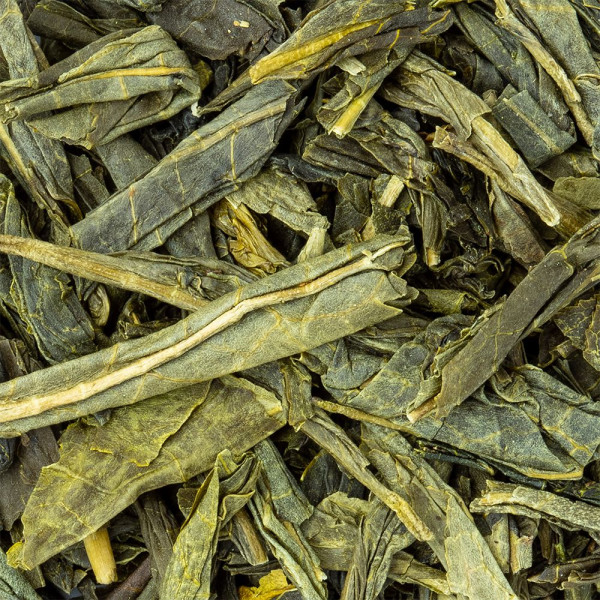
Sencha Green Tea
Organic Sencha is a timeless staple in China and Japan, where it is enjoyed daily.
€6.50Discover
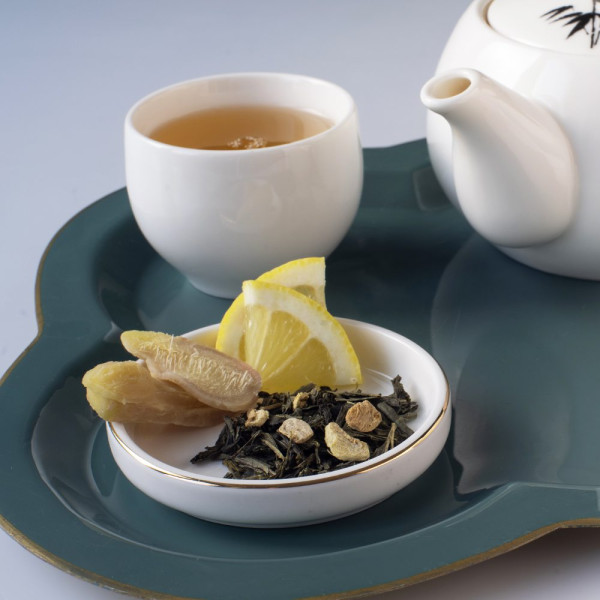
Yangtze Green Tea
Organic Yangtze green tea brings together a delicate Sencha with the brightness of lemon and the warmth of ginger.
€7.90Discover
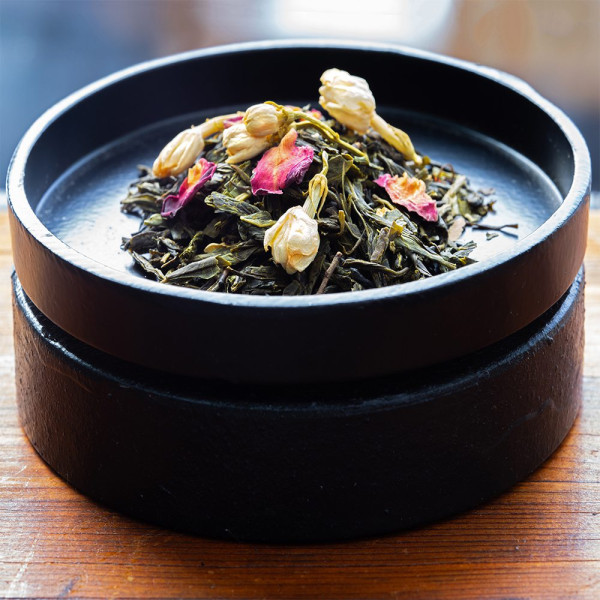
Tokyo Nights Green Tea
Tokyo Nights Green Tea: a floral, indulgent blend of Sencha, Chun Mee and jasmine green tea, lifted by rose petals and notes of…
€7.90Discover