Green Tea While Pregnant: What to Know

Yes, you can generally drink green tea while pregnant, as long as you stay moderate. The main thing to watch is caffeine: during pregnancy, it is recommended not to exceed about 200 mg of caffeine per day from all sources combined (tea, coffee, chocolate, soft drinks). A few cups of green tea often fit within this limit, but every pregnancy is unique, so it is best to talk to your doctor or midwife.
Can you drink green tea while pregnant?
In most cases, green tea is not forbidden during pregnancy. It is neither a miracle drink nor a danger in itself: it is mainly a question of amount and common sense. Green tea contains caffeine, as well as tannins and natural compounds such as catechins.
What changes during pregnancy is the way the body handles caffeine: it is eliminated more slowly and it crosses the placenta. That is why the advice is to watch your overall intake rather than focus on tea alone. A cup of green tea usually provides less caffeine than an espresso, which leaves some room, provided you account for the whole day.
What are the benefits of green tea during pregnancy?
Let us be honest and cautious: green tea is not a pregnancy supplement and replaces neither a balanced diet nor medical care. We can simply say that it is a drink naturally rich in antioxidants and catechins, and that for many it is part of a soothing, warming ritual.
For an expectant mother, the main appeal often lies elsewhere than in any health promise: it is the pleasure of a comforting, low-sugar drink that gives rhythm to the day. A delicate green tea, sipped warm and slowly, can be a lovely moment for yourself. But no particular medical virtue should be expected, and any health question should be put to a professional.
What risks are linked to green tea during pregnancy?
There are mainly three points to watch, and they all revolve around moderation:
- Caffeine: excess caffeine during pregnancy is not advised. This is the main reason for limiting tea, coffee and other stimulating drinks.
- Iron absorption: tea tannins can slow the absorption of plant-based iron. Yet iron needs rise during pregnancy. It is therefore better to drink tea away from meals.
- Folate: some data suggest that tea compounds may interfere with the absorption of certain nutrients such as folate (vitamin B9), which is especially important early in pregnancy. Here too, spacing tea away from meals and following your doctor's recommendations is the best approach.
These points do not mean tea should be banned, but rather enjoyed in moderation and at the right time of day.
How much green tea is recommended during pregnancy?
There is no universal figure, because caffeine content varies with the tea, the steeping time and how it is prepared. The benchmark to keep in mind remains the overall limit of about 200 mg of caffeine per day, adding up all sources.
In practice, many expectant mothers choose to cut back and spread their intake across the day rather than drinking it all at once. Here are a few simple habits:
- Steep the tea for less time for a lighter, gentler cup with less caffeine.
- Favour moments away from meals to protect iron absorption.
- Count tea in your daily caffeine total, along with coffee and the rest.
- Listen to your body: palpitations, sleep trouble or jitteriness are signals to ease off.
If you are unsure about the right amount for your situation, your doctor or midwife remains the best reference.
Which teas and drinks are safe during pregnancy?
To vary your pleasures while limiting caffeine, several options are available:
- Rooibos: naturally caffeine-free, smooth and slightly sweet, it is a much-loved alternative during pregnancy.
- Some herbal infusions: not all plants are equal during pregnancy, and some are not recommended. It is best to seek advice before drinking a herbal tea regularly, and to favour references clearly suited to this period.
- A lighter green tea: briefly steeped, in a reasonable amount and away from meals.
The watchword stays the same: moderation and medical advice when in doubt, especially for herbal infusions.
How does green tea affect pregnancy day to day?
Beyond the nutritional aspects, green tea is above all part of a routine and a feeling. Some expectant mothers find that caffeine disturbs their sleep more or worsens acid reflux: in that case, it is wise to cut back, move tea to the morning or choose a caffeine-free drink at the end of the day.
The key is to listen to your body and keep tea as a pleasure, never as a constraint or a source of worry. Pregnancy does not require giving up green tea entirely, but it invites you to approach it gently, in a reasonable amount, and to keep the dialogue open with the medical team supporting you.
Frequently asked questions
Moderate consumption usually fits within the recommended caffeine limit, provided you count other sources. When in doubt, ask your doctor or midwife.
Green tea generally contains less caffeine than coffee, but it still contains some. It therefore counts in your daily total and is not a completely neutral drink.
Preferably between meals, to protect the absorption of iron and folate, which are especially important during pregnancy.
Rooibos is a smooth, caffeine-free alternative that is very popular. For herbal infusions, seek advice, as not all are suitable during pregnancy.
Treat yourself to a truly refreshing break with our organic green teas.
Tempted to try it?
Our selection related to this article, loose leaf and organic.
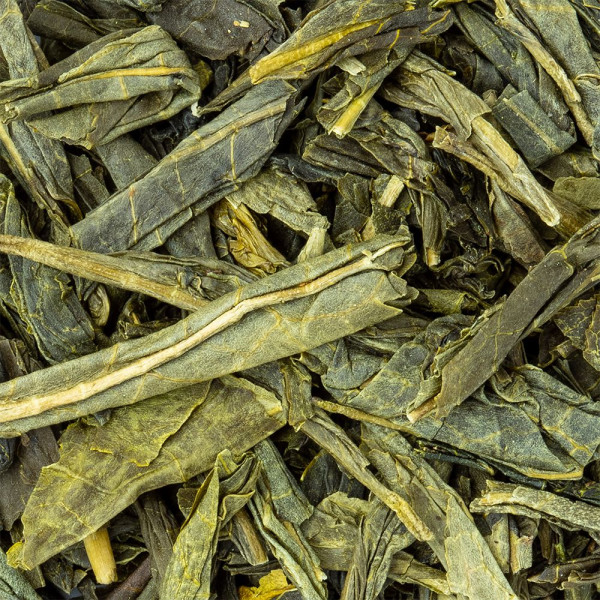
Sencha Green Tea
Organic Sencha is a timeless staple in China and Japan, where it is enjoyed daily.
€6.50Discover
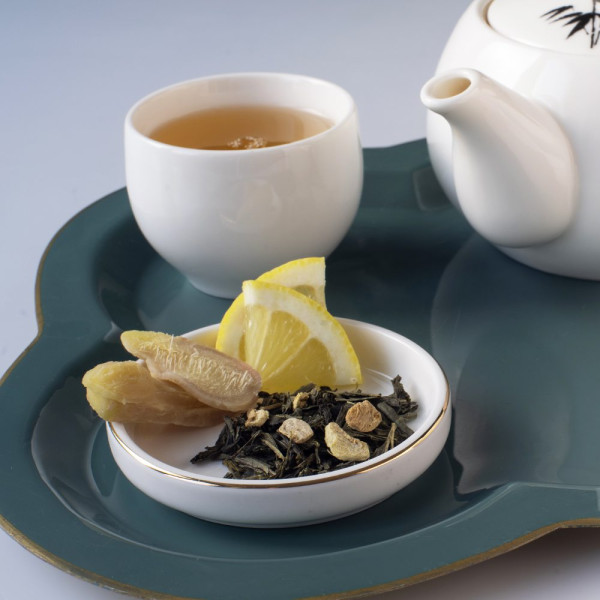
Yangtze Green Tea
Organic Yangtze green tea brings together a delicate Sencha with the brightness of lemon and the warmth of ginger.
€7.90Discover
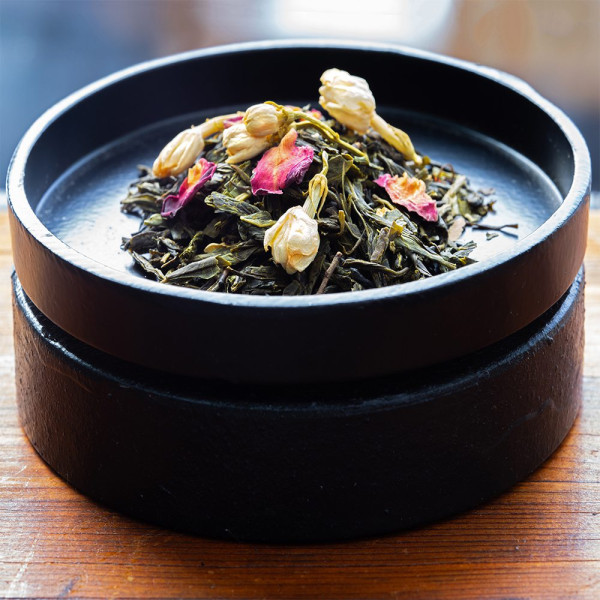
Tokyo Nights Green Tea
Tokyo Nights Green Tea: a floral, indulgent blend of Sencha, Chun Mee and jasmine green tea, lifted by rose petals and notes of…
€7.90Discover