Green tea contraindications: what to know

Brewed green tea is well tolerated by most healthy people, but a few contraindications and precautions deserve attention: sensitivity to theine, pregnancy and breastfeeding, iron deficiency, or taking certain medications. When in doubt, and especially during treatment, it is recommended to ask a doctor or pharmacist for advice.
What are the contraindications of green tea?
There is no absolute contraindication to brewed green tea for the general healthy population. It is rather a matter of situations that call for caution and moderation. The main ones are:
- Sensitivity to theine (the caffeine in tea), which can cause nervousness or sleep disturbances.
- Pregnancy and breastfeeding, periods when consumption of drinks containing theine should be limited.
- Iron deficiency or anaemia, as tea can hinder the absorption of plant-based iron when drunk with meals.
- Taking certain medications, for which professional advice is useful.
These points do not mean you must give up green tea, simply that you should adapt your consumption to your profile and situation.
Who should avoid or limit green tea?
Some profiles benefit from moderating their consumption or seeking advice before making it a daily habit:
- People very sensitive to caffeine: palpitations, restlessness or insomnia may appear even at low doses.
- Pregnant or breastfeeding women: it is recommended to limit theine and discuss it with a doctor or midwife.
- People with anaemia or iron deficiency: it is better to avoid tea with meals.
- People with a sensitive stomach: green tea on an empty stomach may cause digestive discomfort.
- People under medical treatment: advice from a doctor or pharmacist helps avoid any interaction.
For children, the presence of theine also calls for caution and favouring other drinks.
That said, belonging to one of these profiles does not mean having to give up green tea entirely. Very often, it is simply a matter of adjusting the amount, the time of day and the strength of the brew. An enthusiast sensitive to theine can thus keep savouring a cup in the morning, briefly steeped, without discomfort. The idea is to adapt rather than forbid, and to seek advice when in doubt.
Are there interactions with medications?
Like other drinks containing caffeine, green tea can, in some cases, interfere with treatments or alter their tolerance. This concerns in particular certain medications whose absorption or effect may be influenced by theine or by the compounds in tea.
It is not possible here to draw up an exhaustive list or to replace personalised advice. The rule is simple: if you are on treatment, ask your doctor or pharmacist whether your green tea consumption is compatible. This precaution also applies to food supplements based on tea extracts, far more concentrated than the infusion.
The distinction between infusion and extract is, here again, essential. A cup of green tea provides a measured amount of compounds, whereas a concentrated capsule delivers far more at once. The risk of interaction or poor tolerance is logically greater with concentrated forms. When in doubt, the pharmacist is an easily accessible person to check compatibility with your medications.
What are the possible side effects?
Drunk in moderation, green tea rarely causes discomfort. Any side effects are mostly linked to theine or to excessive consumption:
- Nervousness, restlessness or mild palpitations in people sensitive to caffeine.
- Difficulty falling asleep when drunk late in the day.
- Digestive discomfort when consumed on an empty stomach, especially for delicate stomachs.
- Reduced absorption of plant-based iron when it accompanies meals in large amounts.
These effects generally remain modest and reversible: they ease as soon as you return to moderate and well-spread consumption.
What everyday precautions?
A few simple habits let you enjoy green tea while respecting these precautions:
- Empty stomach: avoid drinking it on an empty stomach if your stomach is sensitive; prefer a cup during or after a meal.
- Pregnancy: limit the amount and seek advice from your doctor or midwife.
- Anaemia: drink tea away from iron-rich meals to preserve absorption.
- Sensitivity to theine: favour the morning, short steeps and a moderate number of cups.
- Medical treatment: discuss it with a health professional before starting regular consumption.
With these guidelines, green tea remains a simple and safe pleasure for the majority of enthusiasts. The key is to listen to your body and not hesitate to ask for advice when the situation calls for it.
Frequently asked questions
It is not forbidden, but theine should be limited. It is recommended to discuss it with your doctor or midwife to set the appropriate amount.
In some cases, yes. If you are on treatment, ask your doctor or pharmacist whether your green tea consumption is compatible.
Drunk on an empty stomach, it may cause digestive discomfort in people with a sensitive stomach. A cup during or after a meal is better tolerated.
It can reduce the absorption of plant-based iron when drunk with meals. In case of anaemia, it is better to drink it away from meals and seek medical advice.
Why not taste it ? Discover our collection of organic green teas and let yourself be tempted.
Tempted to try it?
Our selection related to this article, loose leaf and organic.

Sencha Green Tea
Organic Sencha is a timeless staple in China and Japan, where it is enjoyed daily.
€6.50Discover
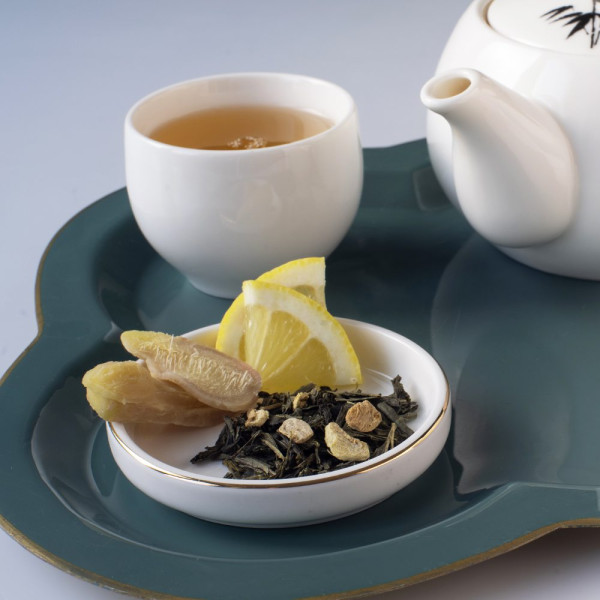
Yangtze Green Tea
Organic Yangtze green tea brings together a delicate Sencha with the brightness of lemon and the warmth of ginger.
€7.90Discover
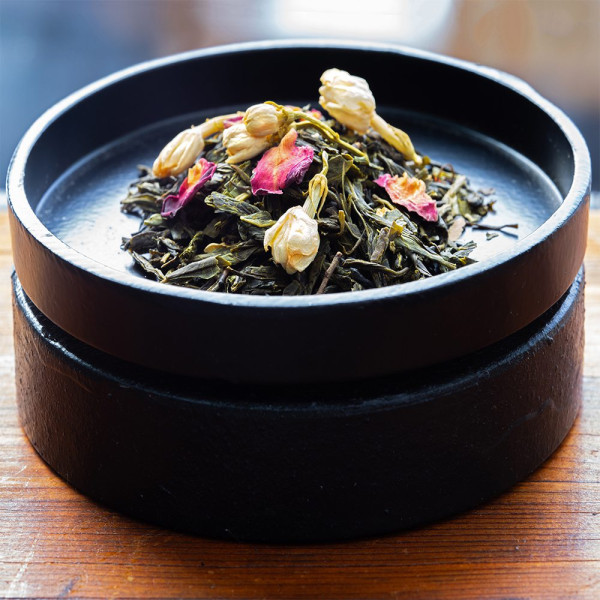
Tokyo Nights Green Tea
Tokyo Nights Green Tea: a floral, indulgent blend of Sencha, Chun Mee and jasmine green tea, lifted by rose petals and notes of…
€7.90Discover