Green Tea Caffeine: Dose, Effects & Theine Guide

Yes, green tea contains theine, which is exactly the same molecule as caffeine. A cup of green tea provides on average between 20 and 45 mg, noticeably less than a coffee. The stimulating effect is real, but gentler and more gradual, because the theine in tea is released more slowly in the body.
Does green tea contain theine?
Green tea comes from the same plant as every other true tea, Camellia sinensis. This plant naturally produces caffeine, traditionally called "theine" when it comes from tea. Every real tea therefore contains it, whether green, black, white or oolong.
Only caffeine-free infusions, such as rooibos, verbena or chamomile, are entirely free of it, because they do not come from Camellia sinensis. So if you drink green tea, you really are consuming theine, even though its concentration stays moderate.
How much theine is in green tea?
The dose of theine in a cup of green tea is usually between 20 and 45 mg, but it varies depending on several factors:
- the variety and origin of the leaf,
- the amount of tea used per cup,
- the water temperature,
- the steeping time.
For comparison, a cup of coffee often provides 80 to 120 mg of caffeine. Green tea therefore remains a lighter drink in terms of theine, which is why many people find it easier to enjoy throughout the day. Matcha is the exception: since you drink the whole leaf ground into powder, its theine concentration is higher.
Keep in mind that these figures are averages. Two cups of the same green tea can show a different theine dose depending on the hand that prepared them. That is one of the beauties of tea: the same leaf tells a different story according to your gesture, your water and your patience.
What is the difference between theine and caffeine?
It is a common question, and the answer is simple: there is no chemical difference. Theine and caffeine are one and the same molecule. "Theine" is simply the historical name given to the caffeine found in tea.
What changes is the way the body absorbs it. In tea, caffeine comes alongside other natural compounds, notably L-theanine, an amino acid. This pairing slows the release of theine and creates that calmer sense of energy, without the sharp spike sometimes linked to coffee. Same molecule, different experience.
This is also why people sometimes describe tea's effect as both "toning and soothing". Where coffee can deliver an immediate burst followed by a crash, green tea settles a more even energy that stretches over time. Many enthusiasts value precisely this quiet alertness, ideal for working or enjoying a moment to yourself without feeling wired.
What are the effects of theine?
Theine acts as a natural stimulant. At the doses found in green tea, its most common effects are:
- a sense of alertness and focus,
- a welcome little boost at the start of the day,
- heightened vigilance without excessive excitement for most drinkers.
Like any source of caffeine, a high intake can speed up the heart rate, cause nervousness or disturb sleep in sensitive people. Everyone has their own tolerance: if you are particularly reactive to caffeine, it is best to limit cups later in the day. When in doubt, especially during pregnancy, breastfeeding or medical treatment, it is always wise to talk to a doctor.
Is green tea stronger than black tea?
We often assume so, but it is not that simple. At equal leaf weight, black tea tends to release slightly more theine into the cup than green tea, partly because it is brewed in hotter water for longer.
In practice, it all depends on your preparation. A strongly brewed green tea, with plenty of leaves, can easily surpass a lightly made black tea. The colour of the drink is not a reliable indicator: the amount of leaves, the temperature and the duration determine the real theine content.
How to brew green tea for more (or less) theine?
The good news is that you can adjust the theine in your green tea simply by changing how you brew it.
For a more stimulating cup
- Use slightly hotter water (around 80 °C),
- increase the dose of leaves a little,
- extend the steeping time.
For a gentler cup
- Favour warm water (70 to 75 °C),
- shorten the steeping time to one or two minutes,
- you can also discard a very short first infusion of a few seconds, then re-steep: part of the theine leaves with this first pour.
This flexibility makes green tea a drink you can truly adapt to your time of day and your sensitivity.
Which teas contain the most theine?
If you are after the strongest boost, some teas stand out. Matcha often leads, because you drink the whole leaf. Robust black teas and certain Japanese green teas rich in young buds are also generous in theine.
Conversely, the more delicate white tea, or a green tea steeped briefly, offers a lighter cup. For lovers of caffeine-free tea, infusions of rooibos, verbena or chamomile remain the best companions, especially in the evening.
In short, the theine content of a tea is never fixed. It depends on the plant, but above all on how you brew it. Knowing these benchmarks lets you compose the cup that suits you: lively in the morning, gentler in the afternoon, or soothing in the evening with a caffeine-free infusion. That is the whole art of matching tea to your time of day.
Frequently asked questions
Yes, in the vast majority of cases. A cup of green tea provides on average 20 to 45 mg of theine, compared with 80 to 120 mg of caffeine for a coffee. Green tea therefore remains a lighter drink.
Yes, it is strictly the same molecule. "Theine" is simply the name given to caffeine when it comes from tea. The difference lies in the speed of absorption, not in the composition.
Yes, decaffeinated green teas exist, with most of the theine removed. They suit those who love the taste of green tea but wish to avoid the stimulating effect, for example in the evening.
Steep it for less time, in cooler water, or use a very short first infusion that you discard before re-steeping the leaves. You will get a cup that is gentler in theine.
Treat yourself to a truly refreshing break with our green teas from Japan and China.
Tempted to try it?
Our selection related to this article, loose leaf and organic.
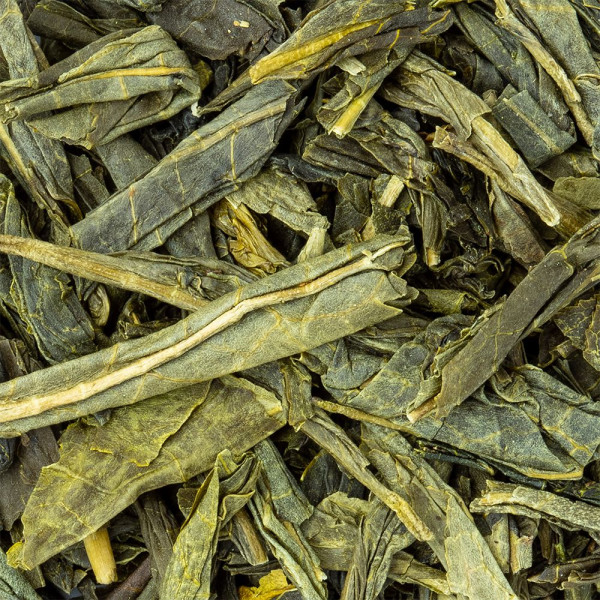
Sencha Green Tea
Organic Sencha is a timeless staple in China and Japan, where it is enjoyed daily.
€6.50Discover
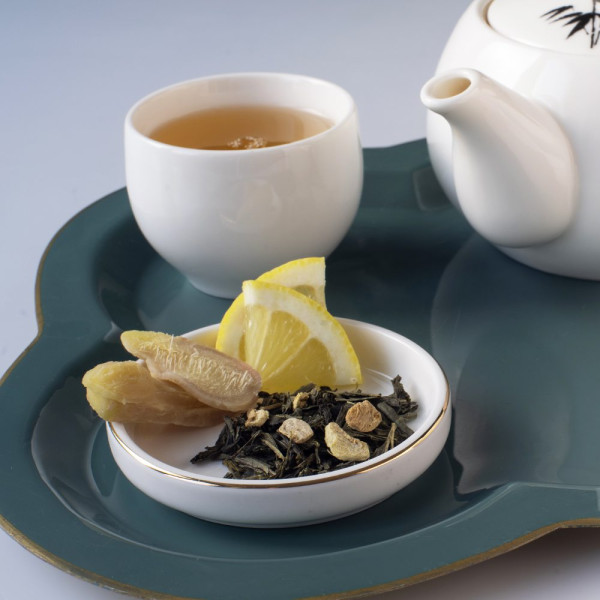
Yangtze Green Tea
Organic Yangtze green tea brings together a delicate Sencha with the brightness of lemon and the warmth of ginger.
€7.90Discover
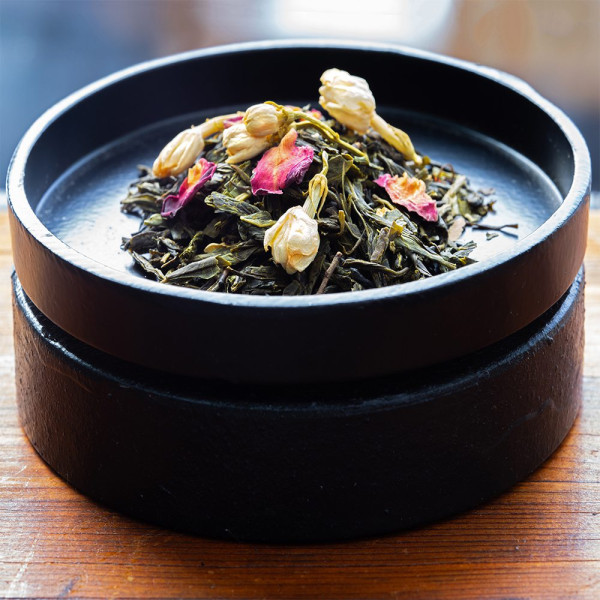
Tokyo Nights Green Tea
Tokyo Nights Green Tea: a floral, indulgent blend of Sencha, Chun Mee and jasmine green tea, lifted by rose petals and notes of…
€7.90Discover