Iced Matcha: a refreshing summer drink with green tea

This iced matcha latte with hazelnut milk wins you over with its smoothness and freshness. A perfect summer drink, this Japanese powdered green tea pairs beautifully with plant-based milk to create something both refreshing and energising.
What to remember
- A simple recipe with just 4 basic ingredients
- Matcha brings its antioxidant benefits and one-of-a-kind flavour
- Hazelnut milk naturally softens the bitterness of green tea
- Ready in 5 minutes, with results that look the part
- A great alternative to sugary, store-bought drinks
Ingredients (makes 1 serving)
To make your homemade iced matcha latte, you will need:
- 1 teaspoon of quality matcha powder (about 2g)
- 200 ml hazelnut milk (or almond, oat, or your preferred plant-based milk)
- 1 to 2 teaspoons of maple syrup or honey (optional)
- 4 to 6 ice cubes
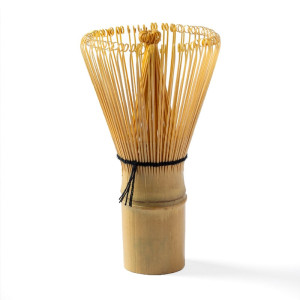
- A bamboo whisk (chasen) or a small electric frother
The choice of matcha makes all the difference. Go for a ceremonial-grade matcha or a good-quality culinary matcha to get that beautiful green colour and authentic flavour.
Step-by-step preparation
Step 1: Prepare the matcha
Add the matcha powder to a bowl. Pour in 2 tablespoons of room-temperature water (never boiling!). Whisk vigorously with your chasen using W-shaped strokes until you get a smooth paste with no lumps.
Step 2: Build the foam
Gradually add a further 50 ml of water while continuing to whisk. The mixture should become frothy and even. This step is key to avoiding excessive bitterness.
Step 3: Assemble the drink
Fill a tall glass with ice cubes. Gently pour in the cold hazelnut milk. Add maple syrup if you'd like a touch of sweetness.
Step 4: Finish
Slowly pour the prepared matcha over the milk. You'll get a lovely layered effect. Stir gently before drinking.
My secrets for the perfect iced matcha latte
The secret to a great iced matcha latte lies in the quality of your ingredients and your technique. Here are my insider tips:
Choose the right matcha. A ceremonial-grade matcha will give a softer, more refined flavour, while a culinary matcha works perfectly well for beginners. Avoid overly bitter matchas that would overpower the rest of your latte.
Water temperature matters. Never use boiling water with matcha. Water at 70–80°C maximum preserves the delicate aromas and keeps bitterness at bay. For an iced matcha, room-temperature water works perfectly.
Whisking makes the difference. Take your time with the matcha. Quick, energetic strokes create that characteristic foam which gives your drink its silky texture.
Delicious variations to try
Your iced matcha latte can be adapted to suit your mood or the season. Let your creativity run free.
Vanilla version: Add a few drops of natural vanilla extract to your hazelnut milk. This combination brings extra sweetness that pairs beautifully with the vegetal notes of matcha.
Matcha coconut: Swap the hazelnut milk for coconut milk for a tropical twist. The creaminess of coconut milk wraps deliciously around the bitterness of green tea.
Spiced version: A pinch of cinnamon or cardamom transforms the drink entirely. These spices warm the palate and create an interesting contrast with the chill of the ice.
Blended matcha: For those who love a creamy texture, blend all the ingredients with the ice cubes. You'll get a smooth, velvety smoothie that's perfect for the hottest days.
The benefits of this energising drink
Beyond the pleasure of drinking it, your iced matcha latte offers real benefits for your wellbeing. Matcha concentrates all the nutrients of the whole green tea leaf.
Rich in antioxidants, matcha contains catechins, notably EGCG, which help protect your cells from oxidative stress. One serving of matcha is equivalent to around 10 cups of regular green tea in terms of antioxidant content.
Matcha's lasting energy comes from its caffeine, which is released gradually thanks to L-theanine. Unlike coffee, matcha gives you an energy boost without the spikes and crashes in blood sugar.
Hazelnut milk provides vitamin E and unsaturated fatty acids that are beneficial for your cardiovascular system. This plant-based alternative is naturally gentler than cow's milk and easy to digest.
Storage and practical tips
To get the most from your matcha, a few storage rules apply. Matcha is sensitive to light, air and moisture.
Store your matcha powder in an airtight container, ideally in the refrigerator. Once opened, use it within 2 to 3 months to preserve its flavour and nutritional qualities.
Prepare your iced matcha latte just before serving. Matcha oxidises quickly when exposed to air and can develop an unpleasant bitterness.
If you're making several servings, whisk the matcha with a little warm water, let it cool, then keep this base in the refrigerator for up to 24 hours. Simply add cold milk and ice cubes when you're ready to serve.
Frequently asked questions
Matcha tea bags are generally lower in quality and often contain additives. For a proper iced matcha latte, go for pure powder. The difference in taste and colour will be immediately noticeable. If you're just starting out, a good-quality culinary matcha works perfectly.
Excessive bitterness usually comes from water that's too hot or from a lower-quality matcha. Try adding a little more plant-based milk or a spoonful of maple syrup. You can also dilute it with a splash of cold water. Next time, keep an eye on your water temperature.
It's best enjoyed straight away. Matcha oxidises quickly and loses its flavour. If needed, you can keep it for 2 to 3 hours in the refrigerator, but give it a good stir before drinking as the ingredients naturally separate.
Absolutely. Cow's milk works very well, as do almond, oat or soy milk. Each brings its own flavour. Oat milk gives a particularly creamy texture, while almond milk stays lighter.
One teaspoon of matcha contains around 35 mg of caffeine, which is less than an espresso (80 mg) but more than a regular cup of green tea (25 mg). The L-theanine in matcha moderates the effect of caffeine, providing steadier, longer-lasting energy.
Explore our range of organic green tea: Japanese Sencha, Gyokuro, Matcha, Bancha, Chinese Gunpowder, Long Jing and flavoured blends (jasmine, mint, fruit). Certified organic farming, delivery across France.
To prepare your bowl, browse all our organic matchas, from ceremonial to latte.
When sunny days arrive, browse our organic iced teas : a few hours in the fridge is all it takes.
Tempted to try it?
Our selection related to this article, loose leaf and organic.
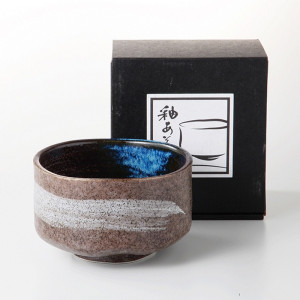
Matcha Bowl Brown Hagoromo
Elevate your tea ritual with the Hagoromo Brown Matcha Bowl.
€24.90Discover
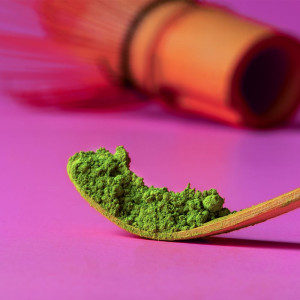
Shizuku Organic Ceremonial Japanese Matcha
Shizuku organic ceremonial Japanese matcha is a vibrant green powder, finely stone-ground, with silky umami notes and a delicat…
€16.90Discover