Matcha hot or cold: which temperature should you choose?

When warmer days arrive and the desire for something refreshing takes hold, a question naturally comes to mind: can you really enjoy matcha cold? Far from trivial, this question goes to the heart of our relationship with this precious green powder. At Thés & Traditions, we believe that matcha, in all its richness, can adapt to the seasons and to our moods, without ever losing its soul.
Key takeaways
- Matcha is just as enjoyable cold, and retains all its benefits
- Two methods work well: direct cold preparation, or cooling down a hot brew
- Quality matters even more when preparing matcha cold
- It's a modern adaptation that stays true to the spirit of the traditional ritual
- Perfect in summer for that gentle energy boost, without the warmth
Can you drink matcha cold without losing its benefits?
A great question, and the answer will put your mind at ease: yes, absolutely. Cold matcha retains its full complement of antioxidants, including EGCG (epigallocatechin gallate), the compound prized for its protective properties. L-theanine, the amino acid behind matcha's signature sense of calm alertness, is also fully preserved.
That said, we should be honest: the active compounds dissolve slightly less efficiently in cold water. That's why we always emphasise the importance of choosing a ceremonial-grade matcha. With our premium matcha, every cold sip delivers the same nutritional depth as a traditional hot preparation.
In Japan, cold matcha is no modern invention. Tea masters have long known "matcha usumizu", a delicate preparation using cool water that reveals subtler, more nuanced flavour profiles.
Two ways to prepare cold matcha
Let's talk technique, without losing sight of the poetry of the gesture. There are two paths to a perfect iced matcha, each with its own character.
The direct method (matcha usumizu) involves whisking matcha powder directly with room-temperature or cool water. This more contemplative approach asks a little more patience to achieve a perfectly smooth blend. The result is a remarkably gentle drink, with more pronounced vegetal notes.
The cooling method starts with a traditional hot preparation, which is then poured over ice. Quicker to make, it produces a bolder iced matcha with that characteristic creamy froth. It's our preferred method when you want the best of both tradition and summer freshness.
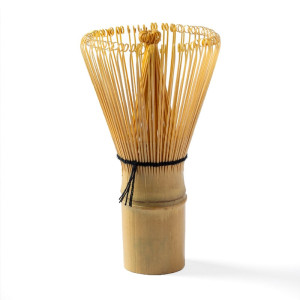
In both cases, the secret lies in the whisking. Even cold, you need to whisk vigorously to avoid any lumps that would spoil the experience. A good chasen (bamboo whisk) remains your best companion, even for cold preparations.
Our guide to the perfect cold matcha
Here is our tried-and-tested method, the one we share with our most discerning customers:
Step 1: Sift 1 to 2 grams of matcha carefully into a wide bowl. This step is never optional, and even less so for a cold preparation.
Step 2: Add 100 ml of cool water (filtered, ideally) or water at room temperature. Tap water can sometimes dull the delicate flavours of matcha.
Step 3: Whisk vigorously in an "M" motion for at least 30 seconds. Patience and consistency are the keys to a perfectly smooth blend.
Step 4: Add your ice, and if you feel inspired, a touch of creativity. A few drops of yuzu juice or a fresh mint leaf can elevate the experience, though be careful not to overpower matcha's natural elegance.
For iced matcha latte lovers, we recommend oat or almond milk with a hint of maple syrup. The combination is wonderful, and stays beautifully true to the spirit of matcha.
When to choose cold over hot?
This brings us back to the very essence of the tea ritual: adapting to the present moment. In summer, when the heat calls for something cool and reviving, cold matcha becomes that restorative pause, reconnecting us with ourselves without adding to the warmth.
It's also the ideal choice in the afternoon, when you want matcha's gentle energy without the warming effect of a hot drink. Athletes particularly appreciate this version, which lets them enjoy the antioxidants and L-theanine before or after exercise.
But beyond the practical considerations, there's something deeply modern and freeing about this approach. We're adapting a centuries-old ritual to our own time and needs, without ever betraying its spirit. That's exactly what we stand for at Thés & Traditions: keeping tradition alive by making it part of contemporary life.
The art of savouring: tradition and modernity, reconciled
Drinking cold matcha is, ultimately, an understanding that the essence of the ritual lies not in the temperature, but in the intention. Whether you're cradling a warm bowl in your hands or sipping from an ice-filled glass, what matters most is the pause itself, that connection with the present moment.
The meditative stillness of a traditional hot preparation finds its counterpart in the refreshing coolness of an iced matcha. One doesn't replace the other; they complement each other, following our moods and the seasons of our lives.
At Thés & Traditions, we like to say that matcha teaches us adaptability without compromise. Hot or cold, it remains a faithful companion for moments of restoration, a green powder that carries within it centuries of wisdom and refinement.
Frequently asked questions about cold matcha
No, and that's a good thing. Cold matcha reveals different nuances, often gentler and more vegetal. The umami notes are less prominent, giving way to a very pleasant herbal freshness. It's a complementary tasting experience, not an identical one.
Ideally, drink your cold matcha within 2 hours of preparing it. After that, the antioxidants begin to oxidise and the flavours start to fade. Matcha is like a precious moment: best savoured right away.
Technically yes, but we would strongly advise against using culinary-grade matcha. When served cold, any shortcomings in quality become even more noticeable. A ceremonial or premium matcha will express its full character, even over ice.
In moderation, yes. Matcha contains natural caffeine, though less than coffee. For children, we recommend diluting it further and keeping it to the occasional serving. It's a lovely way to introduce them to authentic flavours.
That depends entirely on your taste and the quality of your matcha. A fine ceremonial matcha needs nothing added, even cold. If you'd like a touch of sweetness, acacia honey or maple syrup are the best choices, as they complement rather than mask the delicate flavours.
Treat yourself to a true matcha moment with our organic matchas.
Extend this moment in a summer version with our iced tea range.
Tempted to try it?
Our selection related to this article, loose leaf and organic.
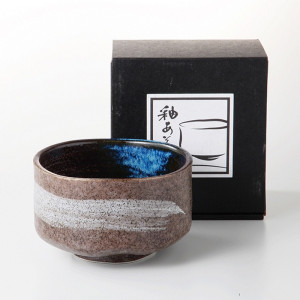
Matcha Bowl Brown Hagoromo
Elevate your tea ritual with the Hagoromo Brown Matcha Bowl.
€24.90Discover
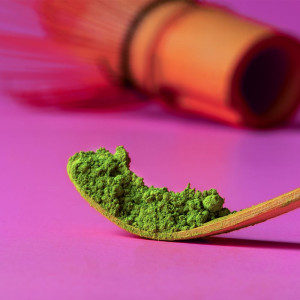
Shizuku Organic Ceremonial Japanese Matcha
Shizuku organic ceremonial Japanese matcha is a vibrant green powder, finely stone-ground, with silky umami notes and a delicat…
€16.90Discover