Matcha Bowl: Choosing the Right Chawan for Your Ritual

In the world of matcha, every detail matters when it comes to creating the perfect experience. And the choice of vessel is no small thing. At Thés & Traditions, we know that the right matcha bowl can turn a quiet moment into a truly sensory ritual. But how do you find your way among all the Japanese chawan out there? From shapes and materials to centuries-old traditions, let us guide you through this fascinating world.
Key Takeaways
- The chawan directly influences the texture and temperature of your matcha
- Each season calls for a specific type of bowl to make the most of your experience
- Raku bowls embody the authentic spirit of the Japanese tea ceremony
- The shape and material of your vessel transform your daily ritual
- The right bowl is chosen as much by touch as by sight
Why Does the Matcha Vessel Deserve So Much Attention?
Contrary to what you might expect, the chawan is far more than a simple container. This traditional Japanese vessel is designed to enhance every aspect of your matcha. Its wide, open shape makes it easier to whisk with the chasen, the bamboo whisk that creates that characteristic frothy layer. Our matcha bowls, along with Japanese cups and mugs, can be found in the Japanese tableware category.
But there's more to it. The thickness of the walls affects how long your tea stays warm, while the texture beneath your fingers contributes to the meditative quality so central to Japanese tradition. We like to say that holding a beautiful chawan is already the first sip of matcha.
In the authentic tea ceremony, the choice of bowl also follows the rhythm of the seasons. This harmony with nature perfectly reflects the spirit of matcha: a moment of connection with the present, far from the noise of everyday life.
The Art of Choosing by Season
Autumn and Winter: Warmth and Comfort
As temperatures drop, your matcha vessel becomes your warmth companion. Japanese artisans favor deeper, thicker bowls, true cocoons for your powdered green tea. These winter chawan retain heat longer and offer that deeply comforting feeling between your hands.
Hagi Chawan, with their crackled glaze that evolves with each use, perfectly embody this philosophy. Every fissure tells a story; every use enriches the bowl's beauty. This is what wabi-sabi means: finding beauty in imperfection and the passage of time.
Oribe bowls also deserve your attention. Their deep green glaze and deliberately irregular forms create a distinctive atmosphere, ideal for those contemplative autumn moments. Picture yourself on a misty morning, holding this one-of-a-kind vessel in your hands.
Spring and Summer: A Return to Freshness
When the warmer days return, everything changes. Chawan become wider and shallower, allowing your matcha to cool naturally. This open shape also encourages evaporation, creating a more refreshing experience.
In spring, floral motifs adorn the bowls, evoking the cherry blossom so dear to the Japanese heart. Kyo Chawan, known for their fine craftsmanship and delicate decoration, turn each tasting into a celebration of nature's renewal.
Summer calls for even lighter materials: fine porcelain, or even glass for the more adventurous. Hira Chawan, with their particularly open form, become the ideal companion for an iced matcha or a refreshing matcha latte.
Bowls with a Pouring Spout: Where Practicality Meets Elegance
Let's talk about Katakuchi Chawan, those vessels with a small pouring spout that change everything. If you enjoy preparing matcha for several people, or if you're a matcha latte enthusiast, these bowls quickly become indispensable.
Their clever design prevents splashing when serving, while preserving the traditional aesthetic of the chawan. It's this balance between modern functionality and respect for tradition that we find so appealing at Thés & Traditions.
These vessels are perfect for matcha sessions with family or friends. Prepare your tea in the bowl, then pour it gracefully into individual cups. A contemporary way to share a centuries-old tradition.
Raku Bowls: The Soul of Traditional Matcha
No conversation about chawan would be complete without the legendary Raku bowl. These vessels hold a special place in the world of matcha, and for good reason: they embody the very essence of the Japanese tea ceremony.
Born in the 16th century under the influence of Sen no Rikyū, the great master of the way of tea, these bowls transformed the art of drinking matcha. Shaped entirely by hand, without a potter's wheel, each Raku piece has its own distinct personality. Their organic forms and irregular textures carry the story of their making.
The rapid firing technique followed by sudden cooling creates the characteristic crazing. The result: vessels of striking beauty, where every imperfection becomes an aesthetic quality.
Two great families stand out: Kuro Raku, with its deep black tones that make matcha's vibrant green sing, and Aka Raku, with its warmer red and brown hues. To hold a Raku bowl is to touch centuries of tradition and craft.
How to Find Your Ideal Chawan
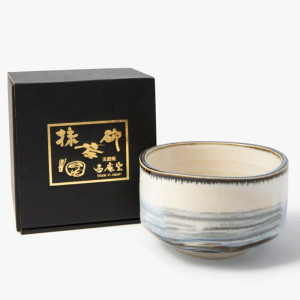 Harukasumi Matcha Bowl€24.90
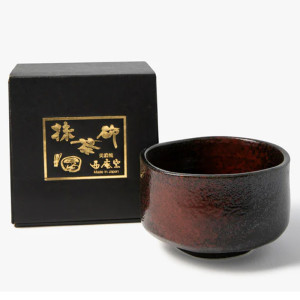 Matcha Bowl Kurokumo€24.90
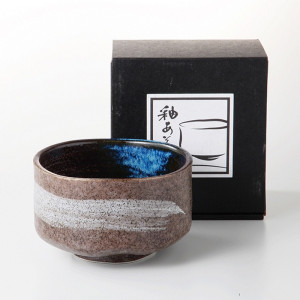 Matcha Bowl Brown Hagoromo€24.90
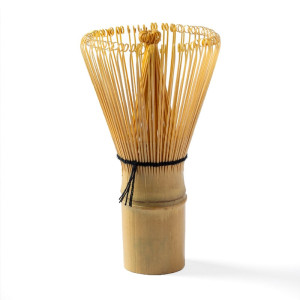 Matcha Tea Whisk€14.90
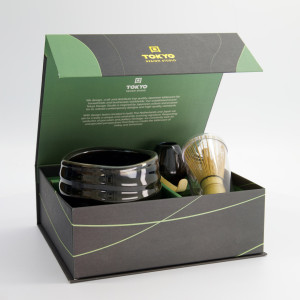 Matcha Kuro Gift Set€48.90
Choosing your matcha vessel is a little like choosing a companion for your moments of stillness. Several factors come into play, but the most important remains your personal feeling.
The season naturally guides your choice: a thick, deep bowl for winter, a wider and finer one for summer. But beyond these practical considerations, listen to your senses. Some prefer the smoothness of a polished surface; others are drawn to the authentic roughness of handcrafted ceramic.
Design matters enormously too. Are you drawn to the clean minimalism of a modern chawan, or the rustic authenticity of a traditional bowl? Your preparation style also plays a role: a classic bowl for a traditional ceremony, a spouted model for your milky creations.
Our advice? Take time to hold different bowls in your hands. The right chawan makes itself known through a sense of quiet rightness, an immediate harmony between the object and your gesture. That is the magic we strive to share at Thés & Traditions.
Caring for Your Vessel: Preserving Its Beauty Over Time
A beautiful chawan deserves gentle care to keep its character through the years. Looking after your matcha vessel is itself part of the well-being ritual you give yourself.
After each use, a simple rinse with warm water is usually enough. Avoid harsh detergents that could affect the natural patina of your bowl. For Raku bowls, which are particularly porous, allow them to dry completely in the open air to prevent moisture from being retained.
Some enthusiasts develop a personal relationship with their chawan, noticing how its color shifts with use over time. This slow transformation is an integral part of the experience: your bowl ages alongside you, holding the memory of your quiet moments shared over matcha.
Frequently Asked Questions About Matcha Bowls
Technically yes, but the experience won't be the same. A traditional chawan is specifically designed to optimize whisking and tasting. Its wide shape facilitates the movement of the chasen, while its proportions allow you to better appreciate the aromas. Think of it like drinking wine from a water glass: possible, but not quite right.
To start, we recommend a medium-sized chawan, around 12 to 13 cm in diameter. This size gives you enough room to whisk comfortably while remaining easy to handle. You can always expand your collection later as your preferences develop.
Absolutely. Glass vessels actually offer certain advantages: they let you admire matcha's beautiful green color and are easy to clean. They're particularly appreciated in summer for their cool, light feel. That said, they lack the tactile dimension that is so meaningful in Japanese tradition.
A genuine Raku bowl is distinguished by its entirely hand-built construction, organic forms, and distinctive texture. The specific firing process creates characteristic crazing and a slightly porous surface. Be wary of imitations: a true Raku piece often bears the maker's signature and displays the natural irregularities that give it its character.
It's an excellent practice, especially in winter. Rinsing your chawan with hot water before use helps maintain the optimal temperature of your matcha for longer. This step is, in fact, an integral part of the traditional Japanese tea ceremony. Just be sure to dry the bowl thoroughly before adding your matcha powder.
Build your ritual : explore all our organic matchas, for whisking or cooking.
Tempted to try it?
Our selection related to this article, loose leaf and organic.
Matcha Bowl Brown Hagoromo
Elevate your tea ritual with the Hagoromo Brown Matcha Bowl.
€24.90Discover
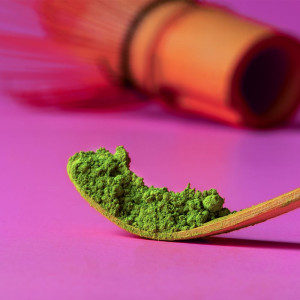
Shizuku Organic Ceremonial Japanese Matcha
Shizuku organic ceremonial Japanese matcha is a vibrant green powder, finely stone-ground, with silky umami notes and a delicat…
€16.90Discover