What Does Matcha Taste Like? Exploring Its Unique Flavours

Wondering what matcha actually tastes like? This vibrant Japanese green powder is as intriguing as it is captivating. Rooted in centuries of tradition yet very much at home in modern kitchens and cafés, matcha offers complex flavours well worth exploring. Let's take a closer look at what makes this drink so distinctive, and how to find your way into its unique aromas.
Key takeaways
- Umami as the defining flavour: matcha delivers that characteristic fifth taste, rich and deeply satisfying
- Pronounced vegetal notes: herbaceous aromas that echo the freshness of tea leaves
- A delicate balance: natural sweetness and a gentle bitterness, depending on quality
- Smooth, creamy texture: a velvety foam that enriches the whole sensory experience
- Variations by preparation: from pure matcha to matcha latte, each method reveals a different side of the same cup
Umami: the mysterious flavour at the heart of matcha
Any conversation about how matcha tastes inevitably comes back to one word: umami. This fifth fundamental taste, sitting alongside sweet, salty, bitter and sour, perfectly captures the essence of this Japanese green tea powder. But what does that actually mean for your palate?
Matcha's umami shows up as a sense of fullness in the mouth, a lingering richness that lingers pleasantly. It's what gives matcha its depth, its unmistakable character. Unlike the bitterness some people worry about, umami adds a savoury, almost rounded quality, which is why matcha can feel so compelling once you've acquired a taste for it.
This aromatic complexity comes from matcha's unique growing method. The tea plants are shade-grown for several weeks before harvest, concentrating chlorophyll and amino acids, particularly L-theanine, the compound responsible for that distinctive umami quality.
Vegetal notes that tell a story
Beyond umami, matcha reveals intense vegetal aromas that can catch you off guard on first sip. These herbaceous notes, sometimes likened to fresh spinach or sea vegetables, are a mark of authenticity.
These vegetal flavours are not a flaw, quite the opposite. They reflect the freshness of the tea leaves and the quality of the production process. A ceremonial-grade matcha will offer softer, almost creamy notes, while a culinary-grade matcha will show bolder aromas, ideal for baking.
These vegetal nuances also shift with water temperature. Water that is too hot will amplify bitterness, while a more moderate temperature (around 70–80°C) preserves matcha's natural sweetness.
Bitterness: friend or foe?
Let's be honest about matcha's bitterness. This characteristic, often off-putting to newcomers, is part of the full tasting experience. But not all bitterness is created equal.
A quality matcha offers a subtle, well-balanced bitterness that harmonises beautifully with the natural sweetness of the leaves. This gentle astringency cleanses the palate and sets you up for the next sip. A harsh, overwhelming bitterness, on the other hand, usually points to a lower-quality matcha or a preparation that needs adjusting.
There are several ways to tame that bitterness. Water temperature plays a key role, as does the amount of powder you use. Start with smaller quantities and adjust to your taste. Some people also enjoy pairing their matcha with a small traditional Japanese sweet.
Matcha latte: where sweetness meets tradition
The matcha latte has transformed how many people first encounter this traditional drink. Combining matcha powder with milk (plant-based or dairy) creates a more approachable version, where the flavours become softer and more rounded.
In this preparation, matcha's vegetal notes mellow out, the bitterness fades into the background, and the umami finds a new way to express itself. The milk brings its own creamy sweetness, which complements the green tea aromas beautifully. For many people, the matcha latte is where the love story begins.
At Thés & Traditions, we see the matcha latte as the perfect gateway into the world of matcha. It lets you ease into these distinctive flavours gradually, before perhaps venturing into more traditional preparations.
What shapes matcha's flavour profile
Matcha's taste is never accidental. Several factors determine its aromatic character, and understanding them will help you choose and enjoy your matcha more fully.
Leaf quality comes first. A ceremonial-grade matcha, made from the earliest harvest and the most tender leaves, will deliver an unrivalled sweetness. Culinary grades, excellent for cooking, tend to have more robust flavours.
Freshness matters too. Matcha oxidises quickly once opened. A fresh powder will express its full aromatic complexity, while older matcha can develop an unpleasant bitterness.
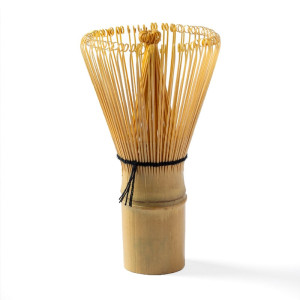
Preparation method is equally important. Traditional whisking with a chasen (bamboo whisk) creates that silky foam that transforms the tasting experience. Water temperature, the amount of powder, even the type of water you use: everything plays a part in how the flavours come through.
Finding your way into matcha's flavour
How do you train your palate to fully appreciate matcha? Like wine or coffee, it's something you grow into. Here are a few pointers to enrich the experience.
Start with gentler preparations: a matcha latte, an iced matcha with a touch of honey, or matcha-based pastries. These approaches let you ease into the characteristic flavours gradually.
Pay attention to temperature. A very hot matcha will mostly showcase its bitterness, masking its complexity. Let it cool slightly to uncover its full range of nuances.
And don't hesitate to experiment. Every matcha has its own personality, and your preferences will shift with experience. What feels too intense today may well become your favourite tomorrow.
Frequently asked questions about matcha's taste
Excessive bitterness usually comes from water that is too hot (above 80°C) or from a lower-quality matcha. Try lowering your brewing temperature and check how fresh your powder is. A good matcha has a subtle bitterness, never an aggressive one.
Faint marine notes can appear in some matchas, reflecting their high chlorophyll content. A pronounced fishy taste, however, usually signals a poor-quality or badly stored matcha. Authentic matcha offers fresh, balanced vegetal aromas.
A quality matcha has a vibrant jade-green colour, a texture as fine as talc, and reveals layered aromas: umami, gentle vegetal notes, and a balanced, light astringency. The absence of aggressive bitterness and the presence of natural sweetness are both signs of quality.
Absolutely. Water temperature, the amount of powder you use, and the addition of milk or natural sweeteners all allow you to adapt the flavour to your preferences. Start with small adjustments to find your ideal balance without masking matcha's authentic character.
Not at all. Each matcha has its own flavour signature, shaped by its origin, quality and production method. Ceremonial grades offer more sweetness and complexity, while culinary grades have bolder, more robust flavours, perfect for cooking.
Your flavour journey is just beginning
Matcha's taste unfolds like a unique sensory journey, weaving together Japanese tradition and contemporary pleasure. From deep umami to authentic vegetal notes and subtle sweetness, every cup tells a story of craft and care.
At Thés & Traditions, we are here to guide you through that discovery with carefully selected matchas, each with its own flavour personality. Whether you prefer the gentleness of a matcha latte or the intensity of a traditional preparation, what matters most is taking the time to savour these small, precious moments.
Feel free to experiment and adjust your preparations to suit your taste. Matcha is generous: it offers countless ways to enjoy it, and just as many opportunities to create your own personal ritual. Your palate will develop, your preferences will sharpen, and before long, you will find the matcha that feels made for you.
Build your own ritual : browse our matcha shop, to whisk or to cook with.
Tempted to try it?
Our selection related to this article, loose leaf and organic.
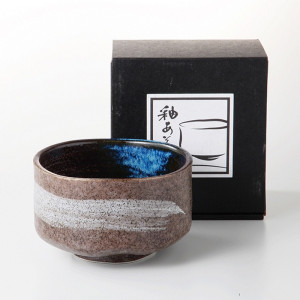
Matcha Bowl Brown Hagoromo
Elevate your tea ritual with the Hagoromo Brown Matcha Bowl.
€24.90Discover
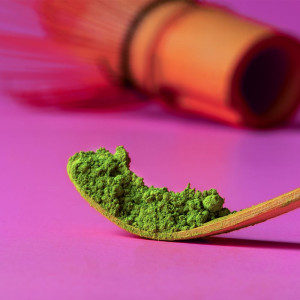
Shizuku Organic Ceremonial Japanese Matcha
Shizuku organic ceremonial Japanese matcha is a vibrant green powder, finely stone-ground, with silky umami notes and a delicat…
€16.90Discover