Matcha Cup: Choosing the Right Cup for Your Matcha Ritual

In the world of matcha, a quiet revolution is taking place. While purists swear by the traditional Japanese bowl, a new generation of enthusiasts is discovering the pleasures of the matcha cup. This modern alternative is changing the way we enjoy this exceptional tea, blending respect for tradition with everyday practicality.
The Essentials in 30 Seconds
- A matcha cup offers a more familiar grip than the traditional bowl
- Perfect for newcomers to matcha, without any of the intimidation
- Enjoy your powdered green tea anywhere, even at the office
- Preserves all the flavour and nutritional properties of matcha
- Available in different materials: ceramic, glass, stainless steel
Why Choose a Cup Over a Traditional Bowl?
The question sometimes divides enthusiasts, but the reality is more nuanced than it might seem. The matcha bowl, or chawan, remains the go-to vessel for the Japanese tea ceremony. That said, a matcha cup answers different needs, particularly well suited to a Western lifestyle.
First, there is the question of familiarity. We grew up with cups, not bowls. That shape feels natural, reassuring. When you are first discovering matcha, with its striking jade colour and creamy texture, having a familiar vessel makes the whole experience far more approachable.
Then there is practicality. A matcha cup slips easily into a bag, goes straight into the dishwasher without a second thought, and will not raise an eyebrow at the office. It brings this remarkable drink into everyday life, without the sometimes daunting codes of Japanese tradition.
The Different Types of Matcha Cups
Not all cups are equal when it comes to matcha. Each material brings its own characteristics, subtly shaping the tasting experience.
Ceramic: the Perfect Balance
Ceramic remains the most popular choice, and for good reason. This neutral material does not interfere with the delicate flavour of matcha, while retaining heat beautifully. Ceramic cups also feel comfortable to hold, neither too hot nor too cold.
A friendly tip: go for thick-walled ceramic. It will keep your matcha at the ideal temperature for longer, letting you savour each sip without rushing.
Glass: for the Visually Minded
Drinking matcha from a transparent glass is, first and foremost, a visual pleasure. That distinctive vivid green, the delicate foam forming at the surface... everything becomes a small spectacle. Borosilicate glass, resistant to thermal shock, is the best choice here.
The drawback? Heat transfers quickly, making the cup tricky to hold when your matcha is very hot. For a warm matcha latte or an iced matcha, though, it is absolutely perfect.
Stainless Steel: the On-the-Go Option
For those who simply cannot do without their matcha, even while travelling, an insulated stainless steel cup becomes indispensable. Double-walled, leak-proof lid, excellent heat retention: it turns your matcha into a reliable travel companion.
One note of caution: steel can slightly alter the taste, especially during the first few uses. A thorough rinse and a few preparatory brews usually take care of this minor issue.
How to Prepare Matcha in a Cup
Contrary to what you might think, making an excellent matcha in a cup requires no special technique. A few small adjustments are all it takes to get a perfect result.
Start by warming your cup with a little hot water, which you then pour away. This step, often skipped, prevents the thermal shock that could dull the delicate aromas of your matcha.
For the dosage, use around 2 grams of matcha powder for 80 ml of water. This is slightly more concentrated than in a traditional bowl, as the shape of a cup makes blending a little less efficient.
The water should be hot but not boiling, ideally between 70 and 80°C. Water that is too hot will bring out bitterness, masking the natural sweetness of a good matcha.
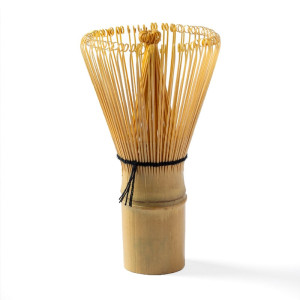
For mixing, a small bamboo whisk is still the ideal tool, but a compact electric frother works just as well. The goal: that fine, velvety foam that is the hallmark of a well-prepared matcha.
Matcha Cup vs. Traditional Bowl: a Tale of Two Sensations
Beyond the practical aspects, each vessel offers a different sensory experience. The traditional bowl, with its wide, low walls, allows better aeration of the matcha during preparation. This oxygenation develops the aromas and creates that sought-after frothy texture.
The cup, narrower and taller, concentrates the aromas towards the nose. Each sip feels more intense, more focused. It is a different approach, neither better nor worse, simply its own thing.
Some enthusiasts actually alternate between the two depending on their mood: the bowl for moments of quiet contemplation, the cup for an active break. This flexibility enriches the experience rather than diminishing it.
Caring for Your Cup: Keeping Flavours Pure
A quality matcha deserves an impeccably clean cup. Tea residue, even when invisible, can affect the taste of subsequent brews. Fortunately, caring for a matcha cup is straightforward.
After each use, a rinse with hot water is usually enough. Avoid scented detergents, which can leave olfactory traces. For a deeper clean, baking soda works wonders: a pinch, a little hot water, a few circular motions, and your cup is back to neutral.
The greenish stains that may appear over time are not a flaw but rather the mark of a well-loved cup. They are proof of your dedication to this exceptional tea.
Choosing Your First Matcha Cup: Practical Advice
When starting out, keep it simple. A white ceramic cup with a capacity of 150 to 200 ml is the most versatile choice. The neutral colour lets you fully appreciate the jade hue of your matcha, while the size suits traditional portions perfectly.
Check that the inside is perfectly smooth, with no textured surface that might trap tea particles. A slightly rounded base makes mixing easier and prevents powder from settling in the corners.
On budget, there is no need to go straight for the top of the range. A good quality cup in the 15 to 30 euro bracket will serve you well while you develop your preferences. You can always invest in something more special once your taste has taken shape.
Matcha Latte and Cup: a Modern Match
While traditional matcha sits naturally in a cup, it is with a matcha latte that this pairing truly comes into its own. This creamy preparation, a blend of matcha and milk (plant-based or otherwise), really flourishes in a tall cup.
The shape lends itself to beautiful layered effects, those colour gradients that do so well on social media. But beyond the aesthetics, the cup offers the ideal volume for this more generous drink.
For a successful matcha latte in your cup, first prepare your matcha with a small amount of hot water, then gradually add the hot, frothed milk. This technique prevents lumps and ensures a smooth, even blend.
Frequently Asked Questions About Matcha Cups
Technically yes, but certain features do improve the experience. Avoid cups that are too small (under 100 ml), which do not allow for proper mixing, or those with raised patterns on the inside that trap particles. A smooth, medium-sized cup remains the best all-round choice.
Not directly, but it does influence your visual perception, which in turn shapes the tasting experience. A white or light-coloured cup shows off the colour of matcha beautifully, while a dark cup can obscure some of the nuances. This is why professionals often favour lighter vessels.
Iced matcha works perfectly well in a regular glass or cup. Opt for a thick-walled vessel to minimise condensation. Borosilicate glass cups are particularly well suited, as they handle thermal shock without issue.
This tends to happen with lower-quality matcha or when preparation is off. Use water at the right temperature (70-80°C), whisk vigorously, and rinse your cup immediately after use. Warming the cup beforehand also helps avoid this problem.
It depends on the material. Ceramic and glass are generally dishwasher-safe, but always check the manufacturer's instructions. To preserve the flavours, hand-washing is preferable, especially if you use scented detergents.
Towards a New Matcha Tradition
The matcha cup does not replace the traditional bowl; it adds another dimension to it. It opens new horizons for this ancient drink, making it accessible to those who were not quite ready to take the plunge. In an age where authenticity and practicality go hand in hand, this modern alternative finds its place quite naturally.
Whether you are a curious newcomer or a seasoned enthusiast looking for new experiences, the matcha cup is worth your attention. It invites you to discover, or rediscover, this exceptional tea from a different angle, perhaps more familiar, yet no less respectful of everything that makes it so special.
Because in the end, is the most important thing not simply to savour that moment of tasting fully, whatever vessel you choose? The matcha cup extends that invitation, with ease and a touch of modernity.
To taste it is to love it : find our matcha range, sourced directly from Japan.
Tempted to try it?
Our selection related to this article, loose leaf and organic.
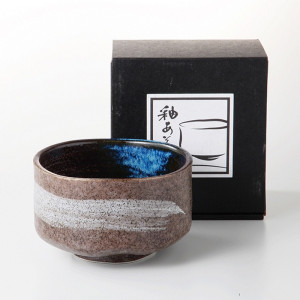
Matcha Bowl Brown Hagoromo
Elevate your tea ritual with the Hagoromo Brown Matcha Bowl.
€24.90Discover
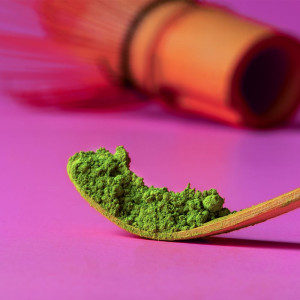
Shizuku Organic Ceremonial Japanese Matcha
Shizuku organic ceremonial Japanese matcha is a vibrant green powder, finely stone-ground, with silky umami notes and a delicat…
€16.90Discover