Drinking Rooibos Every Day: A Good Idea? Our Take

This question comes up often among fans of this red infusion from South Africa, and it's easy to see why: rooibos wins hearts with its natural sweetness and complete absence of caffeine. But can you really enjoy it every day without any concerns? At Thés & Traditions, we've spent years guiding rooibos lovers through their tasting discoveries. Here's everything worth knowing about daily rooibos drinking, from its genuine benefits to a few simple things to keep in mind.
The essentials in 30 seconds
- Yes, you can drink rooibos every day - unlike traditional tea, it contains no caffeine or theine
- 2 to 3 cups a day is the sweet spot for enjoying its benefits
- No major contraindications: suitable for children, pregnant women, and those sensitive to stimulants
- Excellent hydration: rooibos counts toward your daily fluid intake
- Keep it interesting: alternate between plain, fruity, and spiced rooibos to stay curious
What sets rooibos apart from other infusions?
Rooibos has one truly distinctive quality that changes everything: it contains no stimulants whatsoever. While green or black tea carries theine, this South African plant produces an infusion that's completely neutral in that respect.
This comes down to its very nature. Aspalathus linearis, its botanical name, belongs to the legume family, not the tea plant family. The result? You can enjoy a cup of rooibos at 10pm without any worry about disturbing your sleep.
That absence of caffeine is also why so many families have made rooibos their go-to drink. Children can enjoy it freely, pregnant women find it particularly appealing, and those sensitive to stimulants finally have something that truly works for them.
What makes rooibos genuinely special, though, is its natural mineral content. Calcium, iron, potassium, zinc: this infusion brings real nutritional value that plain water simply doesn't. A meaningful bonus when you're drinking it regularly.
Daily rooibos: the real benefits
Drinking rooibos every day offers several concrete advantages we see regularly among our loyal customers. First and foremost: hydration. Many people struggle to drink enough water throughout the day. Rooibos, with its naturally soft and comforting flavour, makes that hydration feel effortless.
Antioxidants are another real asset. This red infusion contains unique polyphenols, including aspalathin and quercetin, which help protect our cells from oxidative stress. It's not a miracle cure, but a worthwhile daily support for the body.
On the digestive front, many customers tell us they notice greater comfort after meals. Rooibos seems to soothe minor digestive discomfort, likely thanks to its natural anti-inflammatory properties. A cup after lunch quickly becomes a welcome ritual.
And there's the psychological dimension, which matters just as much: taking a moment to savour your rooibos creates a genuine pause in a busy day. That quiet breath in the middle of an agenda contributes to overall wellbeing. At Thés & Traditions, we believe that sense of pleasure counts every bit as much as the physical benefits.
How much should you drink each day?
Dosage is something that comes up every time we talk with rooibos enthusiasts. The good news: unlike coffee or traditional tea, there's no strict upper limit with rooibos. The absence of caffeine removes the usual risks of overconsumption.
That said, we generally recommend 2 to 3 cups a day as the ideal amount. This lets you fully enjoy rooibos's benefits while keeping the pleasure of each cup. Beyond that, you're more likely to tire of the flavour than to experience any ill effects, delicious as it is.
For a standard 250 ml cup, allow around 1.5 to 2 teaspoons of loose-leaf rooibos. If you prefer tea bags, one bag per cup is more than enough. Steep for 5 to 10 minutes depending on how strong you like it, and unlike tea, there's no risk of bitterness even if you leave it a little longer.
Some of our customers enjoy 4 or 5 cups a day with no issues at all. The key is to listen to your body. If you notice any mild digestive discomfort (rare, but possible), simply scale back a little.
Are there any precautions to keep in mind?
Rooibos has an excellent safety profile, but a few points are worth noting. First, as with any plant, rooibos can theoretically trigger allergic reactions in highly sensitive individuals. These cases are rare, but it's worth paying attention during your first few cups.
Second, rooibos does contain tannins naturally, though far fewer than traditional tea. These compounds can slightly reduce the absorption of dietary iron. If you have anaemia or iron deficiency, simply leave an hour between your rooibos and iron-rich meals.
Quality matters too. Always choose organic rooibos from a traceable source. Lower-quality products can carry pesticide residues or other unwanted substances. At Thés & Traditions, we carefully select our South African suppliers to ensure the best possible purity.
Finally, if you add sugar, honey, or milk to your daily rooibos, remember to account for those extra calories in your overall diet. Plain rooibos is virtually calorie-free, but additions can add up quickly over regular consumption.
How to keep your daily cup interesting
One of rooibos's greatest strengths is its versatility. To avoid the monotony that can come with drinking the same thing every day, we encourage our customers to explore different varieties and preparations.
In the morning, go for plain or lightly spiced rooibos: cinnamon, cardamom, or ginger add an invigorating note without any caffeine. In the afternoon, try a fruity version: citrus, red berries, or vanilla for a more indulgent pause.
Come evening, reach for something soothing. Rooibos with chamomile, lavender, or simply plain, to ease gently into your night-time wind-down. This flavour journey through the day turns each cup into its own small pleasure.
Don't overlook cold brewing either, especially in warmer months. Steeped cold in the fridge for several hours, rooibos develops softer, more refreshing notes. Add a few slices of lemon or some fresh mint leaves for a perfect summer drink.
At Thés & Traditions, we also offer original blends: rooibos with chocolate for those with a sweet tooth, chai-spiced rooibos for lovers of warmth and exoticism, and floral varieties for something more delicate. This range makes drinking rooibos every day a genuine pleasure to look forward to.
Rooibos alongside your other daily drinks
Compared to the drinks most of us reach for each day, rooibos holds its own with ease. Against coffee, it offers all the pleasure of a warm drink without caffeine's side effects: no jitteriness, no disrupted sleep, no dependency.
Compared to traditional tea, rooibos is gentler and less astringent. You can drink it in generous quantities without any risk of bitterness or excess tannins. Its warm amber colour also won't stain teeth the way black tea or coffee can.
Next to sodas or commercial fruit juices, plain rooibos contains no added sugar, no preservatives, no artificial colouring. It's a wholesome way to stay hydrated while enjoying something genuinely satisfying. And unlike sugary drinks, it won't cause blood sugar spikes.
Even compared to plain water, rooibos has something to offer: its pleasant flavour encourages you to drink more, it delivers minerals and antioxidants, and it turns hydration into a moment of enjoyment. For many people, it's the ideal solution for reaching the recommended 1.5 to 2 litres of fluid a day.
Common questions about drinking rooibos daily
Can children have rooibos every day?
Absolutely. Rooibos is perfectly suited to children from a young age. With no theine or caffeine, it carries no risk of overstimulation or sleep disruption. Many families use it as a healthy alternative to sugary drinks. You can even offer it with a touch of honey to make it more appealing to younger palates.
Can daily rooibos completely replace tea or coffee?
It certainly can, though it depends on your habits and needs. If you're looking to remove caffeine from your daily routine, rooibos is an excellent substitute. If you rely on the stimulating effect of coffee or tea to get going, you'll need to find that energy elsewhere. Many of our customers find a natural balance: rooibos in the evenings and on weekends, tea or coffee for active mornings.
Are there any interactions with medications?
Rooibos has very few known interactions with medications, unlike green tea or grapefruit, for example. That said, if you're on a specific medical treatment, particularly for blood clotting or blood pressure, it's worth checking with your doctor. They'll be able to confirm whether there's anything to watch for in your specific situation.
Is rooibos safe during pregnancy and breastfeeding?
Generally, yes. Rooibos is widely considered safe during pregnancy and breastfeeding, and its lack of caffeine makes it a particularly popular choice for expectant mothers looking to cut back on stimulants. As with any dietary change during this period, though, we'd suggest checking in with your midwife or gynaecologist.
Is organic rooibos really necessary for daily drinking?
For regular consumption, we strongly recommend organic rooibos. The quality controls are more rigorous, pesticide residues are absent, and traceability is far better. At Thés & Traditions, we prioritise direct partnerships with certified organic South African producers. When you're drinking several cups a day, that's an assurance worth having.
Do you need to take breaks from daily rooibos?
Unlike coffee or traditional tea, rooibos doesn't call for any periodic "detox". You can drink it every day without any risk of dependency or tolerance building up. That said, varying your drinks is always a good idea for nutritional balance and sensory enjoyment. Mix it up with herbal infusions, plain water, or other infusions as the mood takes you.
Ready to taste it ? Browse our rooibos collection, from plain to gourmet blends.
Tempted to try it?
Our selection related to this article, loose leaf and organic.

Rooibos Blue Downs
Organic Blue Downs Rooibos brings together red rooibos with mango, orange and apricot, lifted by petals of rose, cornflower and…
€8.80Discover

Rooibos Earl Grey
Organic Rooibos Earl Grey brings together the warm, woody roundness of rooibos with the bright, fragrant lift of natural bergamot.
€9.70Discover
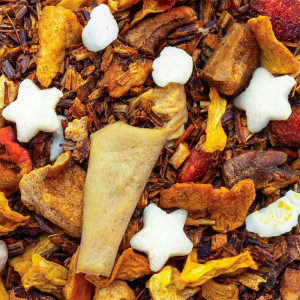
Rooibos Enchanted Night
The Enchanted Night Rooibos is a warming autumn infusion, caffeine-free, where pumpkin meets apple, pomegranate, walnut and cin…
€8.00Discover