Rooibos Side Effects: 5 Contraindications Worth Knowing

This red infusion from South Africa is winning over more and more fans. Naturally caffeine-free and rich in antioxidants, rooibos can seem like the perfect alternative to tea or coffee. But behind its golden reputation lie a few grey areas worth knowing about. Between genuine benefits and potential risks, here is what you really need to know about this drink that is sometimes hailed as a cure-all.
Key Takeaways
- Rooibos can cause rare cases of liver toxicity, particularly with excessive consumption
- Drug interactions are possible, especially with treatments for cholesterol and high blood pressure
- Caution is advised during pregnancy and breastfeeding due to limited research
- For most people, it is a safe drink when enjoyed in moderation (3 to 6 cups a day)
- Its caffeine-free nature and low tannin content make it an excellent alternative to traditional tea
Looking for a quality rooibos? Enjoyed in moderation, rooibos remains a gentle, naturally caffeine-free infusion. Discover our selection of organic rooibos, sourced directly from the Cederberg mountains of South Africa.
What Exactly Is Rooibos?
Let us start with the basics. Rooibos is not tea, despite its nickname "red tea." This infusion comes from a unique shrub, Aspalathus linearis, which grows only in the Cederberg mountains of South Africa. That geographical exclusivity alone sets it apart.
Unlike traditional tea, rooibos contains no caffeine whatsoever. That is its first major advantage: you can enjoy a cup at any time of day, even just before bed, without any risk of disrupting your sleep.
Its characteristic red colour comes from the fermentation of the leaves in the sun. There is also a green, unfermented variety, which retains more antioxidants but has a more vegetal taste. In both cases, this drink stands out for its natural sweetness and complete lack of bitterness, even when steeped for a long time.
The Risks of Rooibos: What You Actually Need to Watch For
First, some reassurance: the risks associated with rooibos are rare and mostly tied to specific circumstances. That said, ignoring them entirely would not be wise.
Liver Toxicity: An Exceptional but Documented Risk
The most concerning point involves rare cases of liver toxicity. These situations, fortunately uncommon, have been observed in people consuming very large amounts of rooibos over extended periods. Symptoms can include unusual fatigue, nausea, or jaundice.
If you have a history of liver conditions such as hepatitis or cirrhosis, extra care is warranted. In that case, seeking medical advice before making rooibos a regular habit is strongly recommended. For healthy individuals, this risk remains negligible at normal levels of consumption.
Drug Interactions: Something to Take Seriously
This is where vigilance becomes important. Rooibos is not just flavoured water: its active compounds can interfere with certain medications, potentially affecting how well your treatments work or increasing their side effects.
Situations to watch closely:
- Cholesterol medications: Rooibos may raise blood levels of certain statins, including atorvastatin
- Blood pressure treatments: Its hypotensive properties can compound the effects of medication, leading to an excessive drop in blood pressure
- Medications metabolised by the liver: It may alter the breakdown rate of various treatments
- Hormonal therapies: Some compounds in rooibos have mild oestrogenic activity
The message is straightforward: if you are on any medical treatment, even a short-term one, speak to your doctor or pharmacist before adding rooibos to your daily routine.
Pregnancy and Breastfeeding: A Precautionary Approach
During pregnancy and breastfeeding, scientific data on the safety of rooibos remains limited. Its lack of caffeine is certainly an advantage over tea or coffee, but that alone is not enough to guarantee complete safety.
As a precaution, healthcare professionals generally advise limiting consumption to a maximum of 1 to 2 cups per day during this period. The guidance of your doctor or midwife should always take precedence over any general recommendation.
Contraindications and At-Risk Groups
Some people should exercise particular care with rooibos. Here is an overview of the main contraindications.
Pre-Existing Liver Conditions
If you have or have had liver problems (hepatitis, cirrhosis, fatty liver disease), consuming rooibos should be done under medical supervision. While cases of liver toxicity are extremely rare, they tend to occur more often in people with an already fragile liver.
Kidney Stones and Oxalates
Rooibos contains oxalates, compounds that can contribute to kidney stone formation in predisposed individuals. If you have a history of kidney stones, moderation is essential, and it may be worth varying the drinks you consume throughout the day.
Allergies and Intolerances
Although rare, allergic reactions to rooibos have been reported. Symptoms can range from mild digestive discomfort to skin reactions. If you experience any discomfort after drinking it, stop immediately and seek advice if symptoms persist.
How to Enjoy Rooibos Safely
The key to safe consumption lies in moderation and paying attention to how your body responds. Here are our practical recommendations.
Recommended Amount
For a healthy adult, 3 to 6 cups of rooibos a day is a reasonable amount. This allows you to enjoy its potential benefits without exposing yourself to the risks that come with excess.
Brew your infusion with water at 95°C and steep for 5 to 10 minutes. One of rooibos's great qualities: it never turns bitter, no matter how long it steeps.
Warning Signs to Watch For
Pay attention to signals your body might send:
- Unusual or persistent fatigue
- Recurring digestive issues
- Changes in urine colour
- Skin reactions
- Frequent headaches
If any of these symptoms appear after you start drinking rooibos, reduce the amount or take a break and see whether things improve.
Rooibos vs. Other Infusions: Making the Right Choice
To put things in perspective, here is how rooibos compares to other popular drinks in terms of safety.
| Drink | Caffeine | Tannins | Main Risks | Recommendation |
|---|---|---|---|---|
| Rooibos | None | Very low | Rare drug interactions | Safe for most people |
| Black tea | High | High | Insomnia, impaired iron absorption | Best in moderation |
| Green tea | Moderate | Moderate | Stimulation, sensitive stomach | Avoid on an empty stomach |
| Coffee | Very high | Low | Dependence, sleep disruption | Maximum 3 to 4 cups per day |
This comparison shows that rooibos has an overall favourable safety profile, especially for those who are sensitive to caffeine or who have anaemia.
Benefits Worth Acknowledging
Despite the precautions, it would be unfair not to mention the positive aspects of rooibos. This infusion has several genuine qualities worth noting.
Its richness in antioxidants, particularly aspalathin, a compound unique to this plant, helps combat oxidative stress. Research is also still exploring its distinctive composition, rich in polyphenols, though these studies need to go further and are no substitute for a varied diet or medical advice.
For people with anaemia, rooibos is an excellent alternative to black tea because its very low tannin content means it does not interfere with iron absorption. It is also an ideal drink for evening hydration, without any impact on sleep.
The Verdict: Should You Be Worried About Rooibos?
After reviewing the potential risks, the verdict is nuanced but largely reassuring. For the vast majority of people, rooibos remains a safe and beneficial drink when enjoyed in moderation.
The risks are real but exceptional, and they mostly relate to specific situations: excessive consumption, a fragile liver, or drug interactions. A careful and informed approach is generally enough to avoid these pitfalls.
The golden rule remains moderation and listening to your body. If you have any doubts or particular medical conditions, do not hesitate to consult a healthcare professional. In most cases, you can savour your rooibos with complete peace of mind, appreciating both its flavour and its potential contribution to your everyday wellbeing.
Frequently Asked Questions About Rooibos Risks
Cases of liver toxicity linked to rooibos have been documented, but they remain extremely rare. These situations generally involve very high consumption over long periods, or people with pre-existing liver conditions. At normal intake levels (3 to 6 cups per day), the risk is negligible for healthy individuals.
Caution is advised. Rooibos can interact with certain medications, particularly those for cholesterol, high blood pressure, or treatments metabolised by the liver. It is important to speak with your doctor or pharmacist before drinking it regularly if you are on any treatment.
The absence of caffeine in rooibos is an advantage during pregnancy, but safety data remains limited. As a precaution, keep your intake to a maximum of 1 to 2 cups per day and seek guidance from your doctor or midwife.
Watch for unusual fatigue, digestive issues, frequent headaches, or changes in urine colour. These symptoms may indicate excessive consumption and are a signal to cut back or take a temporary break.
While rare, allergic reactions to rooibos are possible. They may present as digestive discomfort, skin rashes, or other allergic symptoms. If you notice any unusual reaction, stop drinking it and consult a healthcare professional.
Both varieties have a similar safety profile. Green rooibos, being unfermented, contains more antioxidants, but the same precautions apply regarding drug interactions and excessive consumption.
Tempted to try it?
Our selection related to this article, loose leaf and organic.
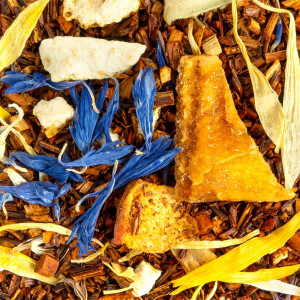
Rooibos Blue Downs
Organic Blue Downs Rooibos brings together red rooibos with mango, orange and apricot, lifted by petals of rose, cornflower and…
€8.80Discover
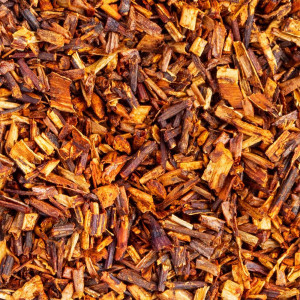
Rooibos Earl Grey
Organic Rooibos Earl Grey brings together the warm, woody roundness of rooibos with the bright, fragrant lift of natural bergamot.
€9.70Discover
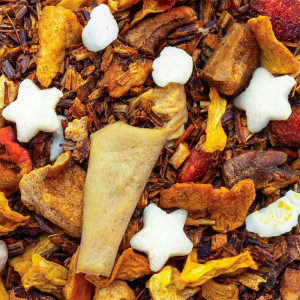
Rooibos Enchanted Night
The Enchanted Night Rooibos is a warming autumn infusion, caffeine-free, where pumpkin meets apple, pomegranate, walnut and cin…
€8.00Discover
Also explore the guide — ROOIBOS
-
 Rooibos & Blood Pressure: Benefits and Precautions
Discover
Rooibos & Blood Pressure: Benefits and Precautions
Discover
-
 How to Pronounce Rooibos Correctly
Discover
How to Pronounce Rooibos Correctly
Discover
-
 Rooibos in the Evening: Benefits and Tips for Restful Nights
Discover
Rooibos in the Evening: Benefits and Tips for Restful Nights
Discover
-
 Rooibos herbal infusion: benefits, varieties & wellness
Discover
Rooibos herbal infusion: benefits, varieties & wellness
Discover
-
 Best Rooibos: Buying Guide and Top Picks
Rooibos and IBS: Essential Precautions You Should Know
Discover
Best Rooibos: Buying Guide and Top Picks
Rooibos and IBS: Essential Precautions You Should Know
Discover