Rooibos and IBS: Essential Precautions You Should Know

When you live with irritable bowel syndrome, every dietary choice carries weight. Rooibos, the deep-red herbal infusion from South Africa, is drawing increasing interest from those looking for gentler options for their digestive system. Yet even this famously soothing brew deserves a few careful considerations.
The essentials in 30 seconds
- Rooibos is naturally caffeine-free and low in tannins, making it generally well tolerated
- Its anti-inflammatory properties may help ease certain digestive symptoms
- Watch out for flavoured blends, which can contain FODMAPs
- Temperature and timing of consumption both affect tolerance
- Starting with small amounts lets you gauge your personal response
Why does rooibos appeal to sensitive digestive systems?
This red infusion has genuine advantages for those with delicate digestion. Unlike conventional tea, rooibos contains no theine or caffeine, substances that can over-stimulate intestinal transit. Its naturally mild composition makes it a potential ally for anyone looking to calm their digestive system.
The antispasmodic properties of rooibos are worth noting. The plant contains flavonoids such as quercetin and aspalathin, compounds that may help relax the smooth muscles of the intestine. For someone living with recurring abdominal cramps, that is genuinely encouraging.
Its richness in natural antioxidants also helps reduce intestinal inflammation. This gentle anti-inflammatory action can contribute to improved digestive comfort, though it is no substitute for appropriate medical care.
Hidden pitfalls to avoid
Now for the less obvious traps. Plain rooibos is generally safe, but things become more complicated with flavoured versions. Many commercial blends contain ingredients that can trigger symptoms in people following a low-FODMAP diet.
Apple and pear flavourings, or sweeteners such as sorbitol, can turn your soothing herbal infusion into a genuine digestive trigger. Even added spices, cinnamon, cardamom, ginger, can cause issues depending on your personal tolerance threshold.
One frequently overlooked factor is water quality. Hard or heavily chlorinated water can worsen intestinal irritation, regardless of how good the infusion itself is. Filtered or low-mineral water is the better choice for brewing your rooibos.
Serving temperature also plays an important role. A very hot drink can stimulate intestinal peristalsis and provoke spasms in some sensitive individuals. The simple fix: let your infusion cool a little before drinking.
How to choose and prepare your rooibos well
To make the most of the benefits while keeping risks to a minimum, a few simple guidelines go a long way. Always choose a plain rooibos, ideally organic, with no additives or artificial flavourings. Loose-leaf rooibos generally offers better quality than standard tea bags.
When it comes to preparation, patience is your best ally. Steep your rooibos for 5 to 7 minutes in water no hotter than 90°C. This gentler temperature preserves the beneficial compounds while avoiding the over-extraction of any residual tannins.
Timing is also worth thinking about. Drinking rooibos between meals, rather than alongside food, helps avoid interactions with other potentially irritating ingredients. Some people find a warm cup in the evening supports intestinal relaxation before bed.
To test your tolerance, start with half a cup a day for a week. Pay close attention to any reactions: bloating, changes in transit, abdominal pain. If all goes well, you can gradually work up to 2 to 3 cups a day.
When rooibos becomes problematic
Although rooibos is generally well tolerated, certain situations call for extra care. People with gastro-oesophageal reflux may sometimes react poorly to hot infusions, even mild ones. In that case, a warm or cold version is a better option.
Take care too if you are taking medication for irritable bowel syndrome. While interactions with rooibos are rare, it is worth leaving at least an hour between taking any medication and drinking the infusion.
Pregnant or breastfeeding women should also exercise caution. Although rooibos is caffeine-free, certain compounds may influence hormonal balance. Medical advice is recommended in these specific situations.
Finally, if you notice a worsening of your digestive symptoms after introducing rooibos into your routine, do not hesitate to take a break. Every body responds differently, and what suits one person may not suit another.
Alternatives worth considering
If rooibos does not work for you, there are other options. Chamomile, valued for its soothing properties, is an excellent alternative for sensitive digestions. Its natural mildness and anti-inflammatory effects make it a trusted choice.
Fennel, brewed as an herbal infusion, can also relieve bloating and intestinal spasms. Its anise-like flavour is not to everyone's taste, but its digestive benefits have been recognised for centuries.
For those seeking something more neutral, rice water or strained vegetable broth can provide gentle hydration without risking further irritation to the digestive system.
Frequently asked questions about rooibos and IBS
Yes, most people can enjoy rooibos daily, provided they choose a plain version and keep to a reasonable amount (2 to 3 cups at most). Always start small to gauge your own tolerance.
Unlike black tea, which is high in tannins, rooibos is unlikely to aggravate diarrhoea. Its anti-inflammatory properties may actually help calm the intestine. That said, avoid drinking it too hot, as heat can stimulate transit.
During an acute IBS flare, it is best to stick to the most neutral liquids possible: water, clear broth, very light chamomile infusion. Once the flare has passed, you can gradually reintroduce rooibos.
Rooibos is generally suitable for children, thanks to its lack of caffeine. However, for childhood digestive problems, it is best to consult a paediatrician before introducing any new drink into their diet.
It is possible, but proceed with care. Blending rooibos with chamomile or lemon balm can create a pleasantly soothing combination. Avoid complex mixes, though, as they make it harder to identify any ingredient that might be causing a problem.
Why not give it a try ? Explore our organic rooibos infusions and let yourself be tempted.
Tempted to try it?
Our selection related to this article, loose leaf and organic.
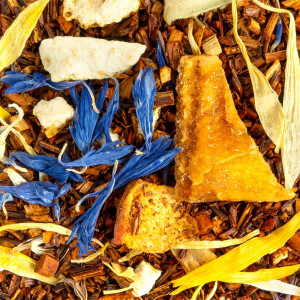
Rooibos Blue Downs
Organic Blue Downs Rooibos brings together red rooibos with mango, orange and apricot, lifted by petals of rose, cornflower and…
€8.80Discover

Rooibos Earl Grey
Organic Rooibos Earl Grey brings together the warm, woody roundness of rooibos with the bright, fragrant lift of natural bergamot.
€9.70Discover
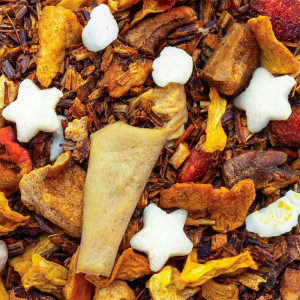
Rooibos Enchanted Night
The Enchanted Night Rooibos is a warming autumn infusion, caffeine-free, where pumpkin meets apple, pomegranate, walnut and cin…
€8.00Discover