 Green Tea




Matcha Latte Hazelnut Chocolate
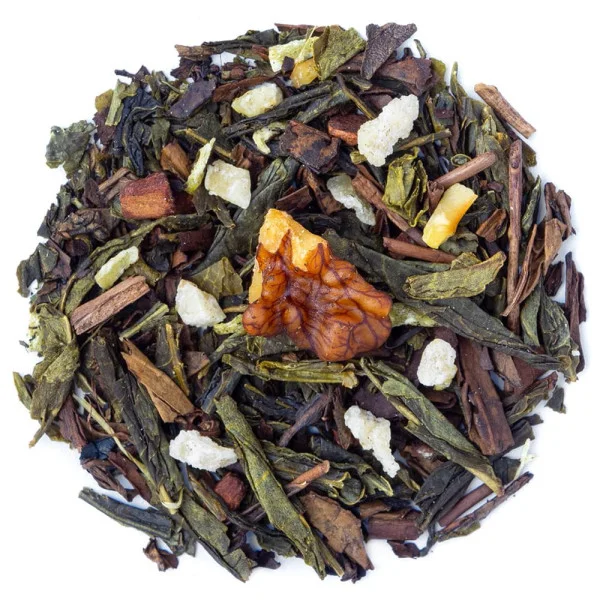
a unique creation with the comforting flavours of chocolate
 Main Note:
Vanilla, Orange
Main Note:
Vanilla, Orange
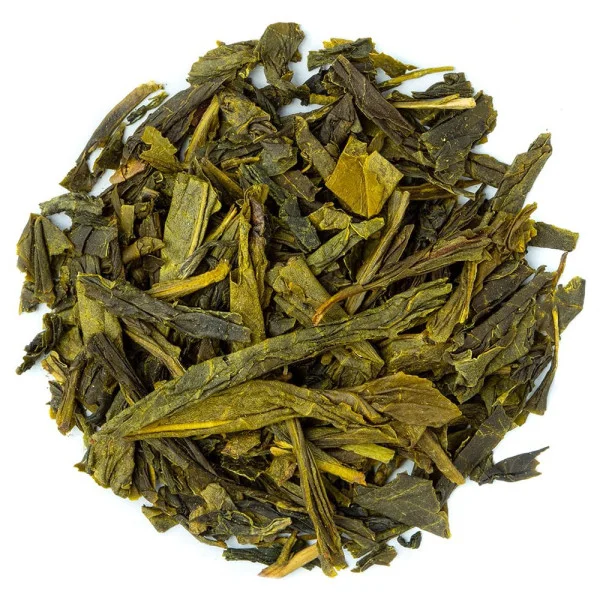
Our Jingpo green tea, also loved as an orange green tea, blends organic Sencha with orange peel, vanilla and flower petals. A smooth, warming organic flavoured green tea to enjoy in a beautiful cup at 70-80°C.
our expertise


In our workshop in Provence, each blend is handcrafted with passion by our team.
Real pieces of dried fruit, whole plants and carefully selected teas of origin.
Carefully crafted to create unforgettable tasting moments. A signature taste, an authentic experience.
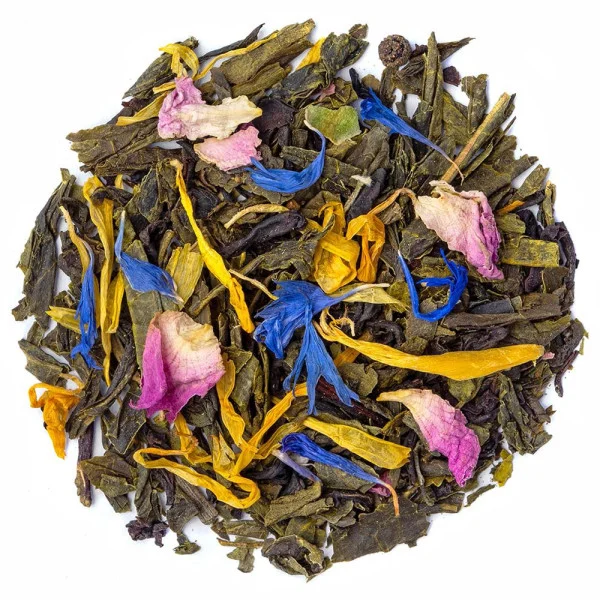
At a glance: An organic Jingpo green tea built on a Sencha base, scented with orange and vanilla, finished with rose and cornflower petals. Brew: 12–15g/L, 70–80°C, 2–3 minutes.
Jingpo is a scented green tea that leans into warmth and gentle indulgence. Its organic Sencha base is blended with orange peel, natural vanilla and a bouquet of edible flowers. A comforting blend, designed to soothe without weighing you down.
This blend suits both scented tea lovers and anyone looking for a softer alternative to flavoured black tea. Explore our selection of green teas to continue the journey.
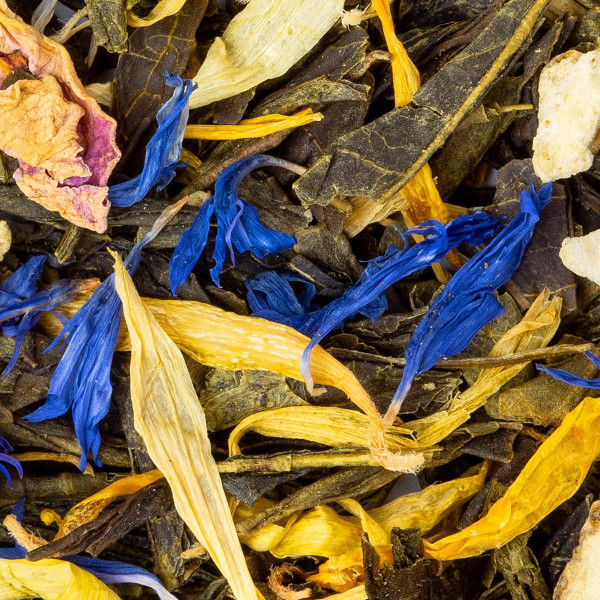
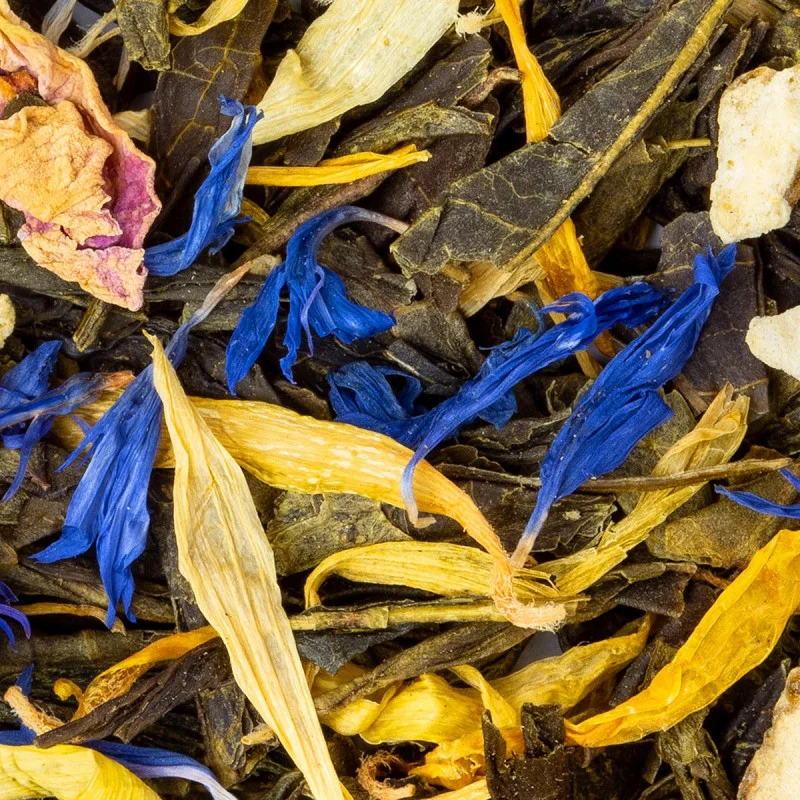
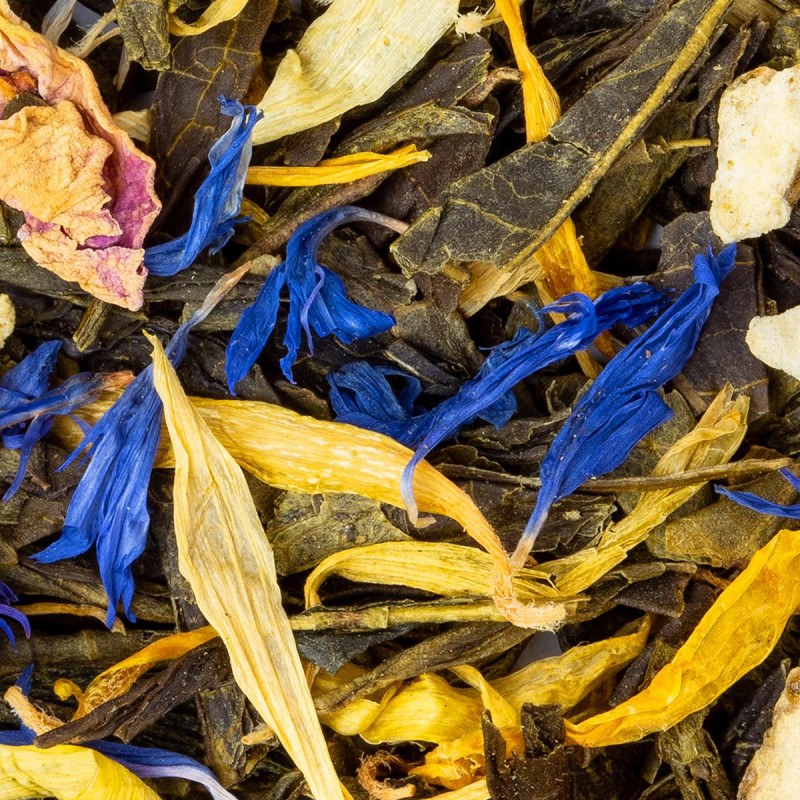
The moment you open the tin, the fragrance is immediate: a bright burst of sweet orange zest, wrapped in the warm sweetness of vanilla. Rose and marigold petals add a delicate floral note, while cornflower blooms give the blend its striking visual signature.
In the cup, the infusion reveals a golden liquor with amber hues. The first sip is lively, led by citrus notes, then vanilla steps in mid-palate. The finish is smooth and gently sweet, with no bitterness.
This orange-vanilla balance makes Jingpo an ideal scented green tea for autumn and winter, though it also shines as a cold brew in spring. If you enjoy blends that pair orange with floral notes, try our Suzhou Organic Green Tea.
Getting a scented green tea right comes down to precision. Water that is too hot will overwhelm the Sencha's delicacy and scorch the aromatics; steeping too long will bring out an unnecessary bitterness.
Here are the parameters recommended by our house:
For the best experience, use a glass or porcelain teapot that lets the leaves unfurl freely. A wide bowl also shows off the coloured petals beautifully. Without sugar, the vanilla finish speaks for itself.
This blend holds up well for a second infusion: simply add 30 seconds to the initial steeping time. For a cold brew, steep in cold water for 6 to 8 hours in the refrigerator, for a perfectly zesty summer drink. To learn more, visit our guide to green tea.
Packaged in our workshop, this tea keeps best in its original tin or an airtight, opaque container, away from light, moisture and strong odours. Avoid the refrigerator. For the full freshness of the Sencha and the full intensity of the orange peel and vanilla, enjoy within 18 months.
What are the benefits of orange green tea?
Green tea is rich in polyphenols, including catechins recognised for their antioxidant properties by the EFSA. Orange peel contributes pleasant aromatic compounds. Julien Huot, founder of Thés & Traditions, personally selects each batch with care.
How do you brew orange green tea?
Use 12 to 15 g per litre, water at 70–80°C and a steeping time of 2 to 3 minutes. Water that is too hot will make the Sencha bitter and diminish the quality of the orange and vanilla fragrance.
Where can I buy organic orange green tea?
Our house offers several orange-scented green teas, all certified organic. Jingpo is one of our signature references, available as part of our organic green tea selection.
What varieties of orange green tea are there?
You will find blends pairing orange with cinnamon, mango, rose or vanilla, as in Jingpo. The base can vary between Sencha, chun mee or Gunpowder depending on the house and the desired flavour profile.
Our information on green tea compounds is based on assessments by the EFSA and publications from the ANSES relating to infusions and their composition.

a unique creation with the comforting flavours of chocolate

Scented with fine, rare bergamot! A timeless classic

This tea is perfect for unwinding at any time of day

French House
Independent since 2016.
Fast delivery
Home delivery or click & collect.
Made with heart
In the south of France.
Customer service
A real voice at the end of the line,
Monday to Friday: 04 22 91 35 75.
Sharing, passing it on: our teas, our tips, the occasional unexpected idea, and little attentions just for you. Pure pleasure, ready to steep.
Our website has changed, and so has our logo… but our house remains the same.
You will still find our carefully selected teas and infusions, our family spirit, and the same desire to share beautiful moments around tea with you.