Moringa: benefits, properties and how to use it
Moringa has surged in popularity in recent years under the label of "superfood". This tropical plant, whose benefits are increasingly backed by science, is as intriguing as it is appealing. What does it actually contain? How should you use it? What precautions are worth knowing? Here is our complete guide to moringa oleifera, its studied properties and the best ways to incorporate it into a balanced diet.
What is moringa?
Moringa (Moringa oleifera) is a tree native to northern India, now cultivated across all tropical regions, including Africa, Asia and Latin America. Known as the "miracle tree" or "tree of life", it has been used in Ayurvedic medicine for over 4,000 years for its therapeutic properties.
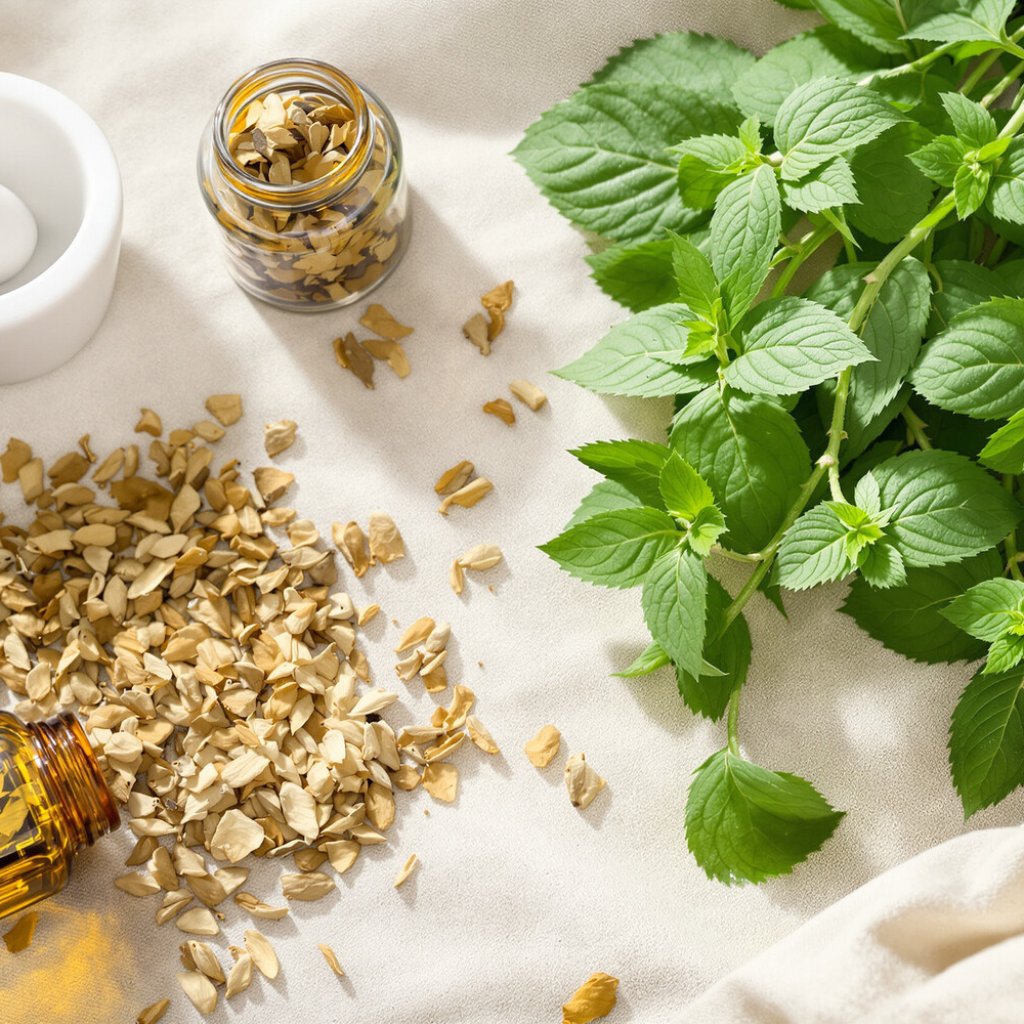
Every part of the tree is edible: the leaves (the most nutrient-rich part), seeds, roots and bark. The most common form found in Europe is moringa powder, produced by drying fresh leaves and grinding them at low temperature to preserve their nutrients.
The exceptional nutritional profile of moringa

Moringa is one of the most nutrient-dense plants known. Per 100g of dried leaves:
- Protein: 25 to 30g (comparable to soy, containing all 9 essential amino acids)
- Vitamin A: 10 times that of carrots
- Vitamin C: 7 times that of oranges
- Calcium: 4 times that of milk
- Potassium: 3 times that of bananas
- Iron: 3 times that of spinach
- Antioxidants: very high ORAC score
This density makes moringa a genuinely interesting natural supplement, particularly for vegetarian or vegan diets and for those with mild nutritional deficiencies.
The studied benefits of moringa
Immune system support
Its richness in vitamins A and C, iron and zinc makes moringa a natural ally for the immune system. Animal studies show an increase in immune cell activity following moringa supplementation.
Antioxidant action
The polyphenols and flavonoids in moringa help protect cells from oxidative stress. In vitro studies confirm a remarkable antioxidant activity, surpassing many other tested superfoods.
Blood sugar regulation
Several small-cohort clinical studies suggest that moringa helps regulate blood sugar levels in people with pre-diabetes or type 2 diabetes. This effect is attributed to isothiocyanates and chlorogenic acid. Medical advice is recommended before supplementation if you are already on treatment.
Liver support
Animal studies point to a protective effect on the liver against certain chemical damage. In humans, the evidence remains preliminary but consistent.
Anti-inflammatory properties
The bioactive compounds in moringa (isothiocyanates, quercetin) have documented anti-inflammatory activity in vitro. There is potential interest in cases of low-grade chronic inflammation.
A natural energy boost
Caffeine-free, moringa provides a natural lift through its concentration of B vitamins and iron, making it particularly valuable in cases of mild chronic fatigue or iron deficiency.
How to consume moringa

As a powder in drinks
One teaspoon (2 to 3g) stirred into a smoothie, juice, yogurt or porridge. The flavour is vegetal and gently herbal, pairing well with banana, apple or lemon. Begin with one teaspoon and increase gradually according to tolerance.
As an infusion (moringa tea)
One teaspoon of dried leaves steeped in a cup of water at 80°C for 5 to 7 minutes. The taste is softly vegetal. An excellent alternative to tea for those looking to address nutritional deficiencies.
In capsules or tablets
A practical option for those who find the flavour too strong. Dosage: 500mg to 2g per day depending on the brand. Always check that the moringa is organically grown and free from additives.
In cooking
Sprinkle over soups, salads, omelettes or hummus. Opt for raw or lightly cooked moringa to preserve vitamin C and other heat-sensitive nutrients.
Moringa vs spirulina: what is the difference?

| Criterion | Moringa | Spirulina |
|---|---|---|
| Nature | Land plant | Aquatic microalgae |
| Protein | 25 to 30% | 60 to 70% |
| Vitamin A | Very high | Moderate |
| Iron | Very high | High |
| Taste | Gently vegetal | Distinctly marine |
| pH tendency | Alkaline | Strongly alkaline |
In practice: spirulina is richer in protein, while moringa offers more vitamins and a more approachable flavour. Many people alternate between the two in successive courses.
Dosage and length of a course
Recommended dosage: 2 to 6g per day of moringa powder. A course of 6 to 12 weeks is typical, followed by a one-month break. Do not exceed 70g per day, as higher quantities can cause digestive discomfort.
Start gently (1g per day in the first week) to assess your digestive tolerance, then increase progressively.
Precautions and contraindications
- Pregnancy: avoid moringa, as the bark and root have a uterotonic effect. Leaves are considered safer, but medical advice is still recommended.
- Breastfeeding: possible with a doctor's approval.
- Anticoagulant treatment: interaction possible; medical advice is essential.
- Treated diabetes: blood sugar monitoring is advised, as moringa has a hypoglycaemic effect.
- Hypothyroidism: use in moderation.
- Very high doses: risk of digestive issues including laxative effect and nausea.
Our moringa powder at Thés & Traditions
We are working on adding a premium organic moringa powder to our catalogue. In the meantime, explore our herbal teas and infusions with complementary properties (vitality, immunity) that pair beautifully with a moringa course.
Frequently asked questions
Does moringa help with weight loss?
Not directly. Moringa may help regulate blood sugar levels and, in doing so, reduce cravings. Combined with a balanced diet and regular physical activity, it can support a weight management goal, but it is not a fat-burning miracle in itself.
What does moringa taste like?
Vegetal, herbaceous, slightly bitter, sometimes compared to a milder version of Matcha. It blends well with sweet, fruity flavours.
What is the best way to take moringa?
As a powder blended into a smoothie or juice for the best bioavailability. Brewing it as an infusion destroys some of the heat-sensitive nutrients. Capsules are convenient but often less concentrated.
Does moringa contain caffeine?
No, it is completely caffeine-free. Ideal for those who want an energising effect without nervous stimulation.
How long before you notice any effects?
Allow 3 to 6 weeks of consistent use before expecting perceptible results in areas such as energy or immunity. There is no instant magic effect.
Where can you buy good-quality moringa?
Look for a certified organic moringa, ideally sourced from India, Senegal or Burkina Faso. Check the freshness (harvest and drying date), the fineness of the grind and the absence of additives. Be cautious of very low prices, which often signal inferior-quality batches.
Also worth discovering
-

Halloween Mocktails: 6 Non-Alcoholic Recipes
Blood-red hibiscus, midnight Rooibos potion, jet-black activated charcoal: six Halloween mocktails with no food…
Read -

Pumpkin spice latte: the homemade tea recipe
Homemade pumpkin syrup, an autumn spice blend, and a Chai black tea base: the complete pumpkin spice latte recipe, with…
Read -
Lemon Balm Benefits: Stress, Sleep and Digestion
Lemon balm benefits: stress relief, better sleep, easier digestion. A versatile calming herb recognised by the EMA.…
Read