 Japanese Tea


Organic
 Main Note:
Pure
Main Note:
Pure
Our organic Gyokuro Kusanagi green tea is a shade-grown Japanese grand cru with fine jade-green leaves, renowned for its deep umami and velvety smoothness. Harvested in Japan, this Gyokuro yields a silky, marine, and vegetal cup — best brewed at low temperature to preserve its full aromatic elegance.
our expertise


In our workshop in Provence, each blend is handcrafted with passion by our team.
Real pieces of dried fruit, whole plants and carefully selected teas of origin.
Carefully crafted to create unforgettable tasting moments. A signature taste, an authentic experience.
At a glance: Organic Gyokuro Kusanagi green tea, a Japanese shade-grown grand cru with deep umami and a luminous jade-green cup. Brewing: 12 g/L at 70-80°C for 1 to 3 minutes.
Gyokuro is one of Japan's most prized teas, and the Kusanagi is a particularly refined expression of it. Grown using the traditional shade-cultivation method, this exceptional green tea develops a unique aromatic depth, where gentle vegetal sweetness meets an unmistakable marine character.
Certified organic, this tea joins our selection of Japanese pure teas with a clear signature: finesse, elegance, and a lingering finish. Our founder Julien Huot considers it an ideal introduction to Japan's great shade-grown teas.
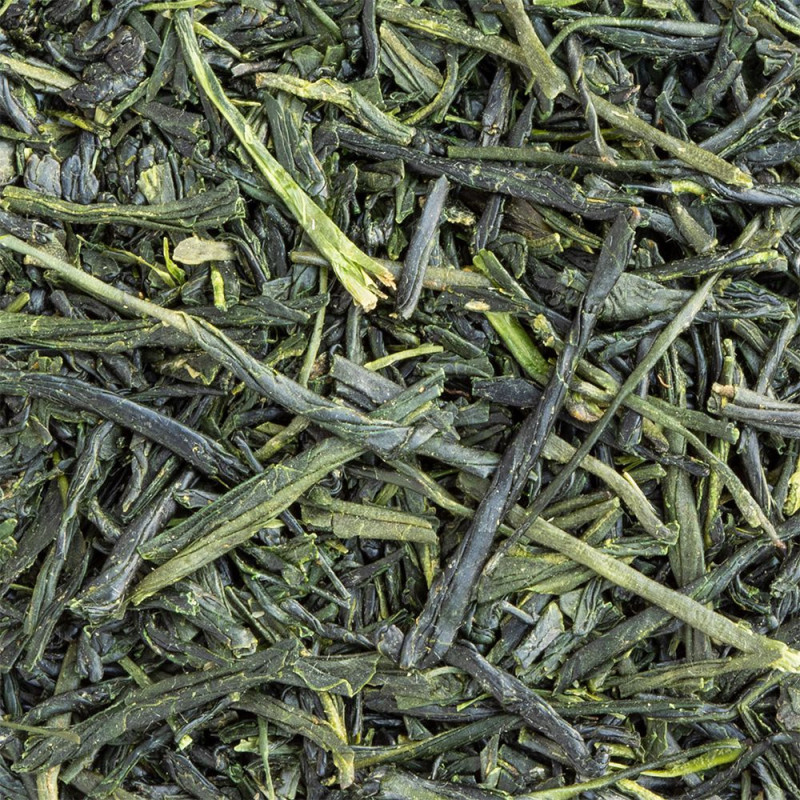
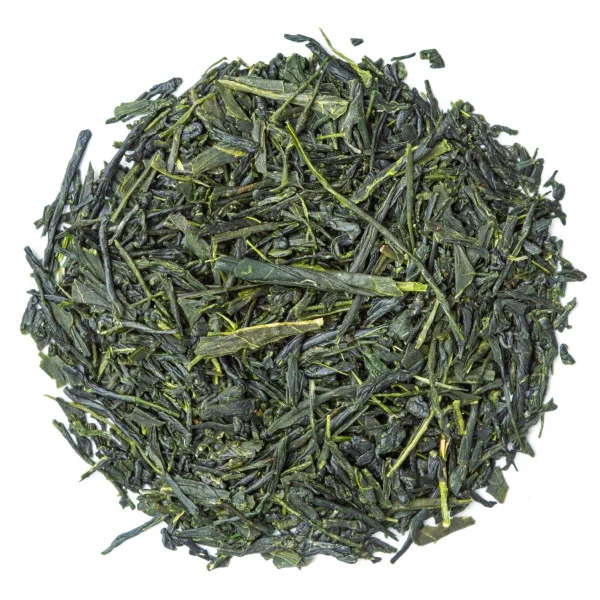
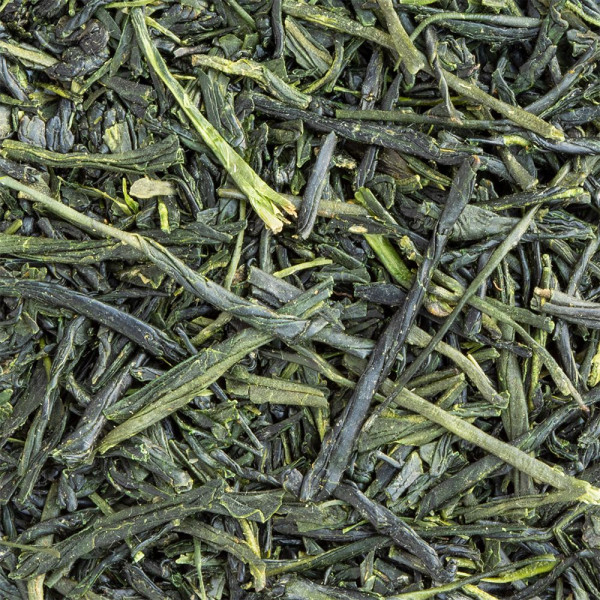
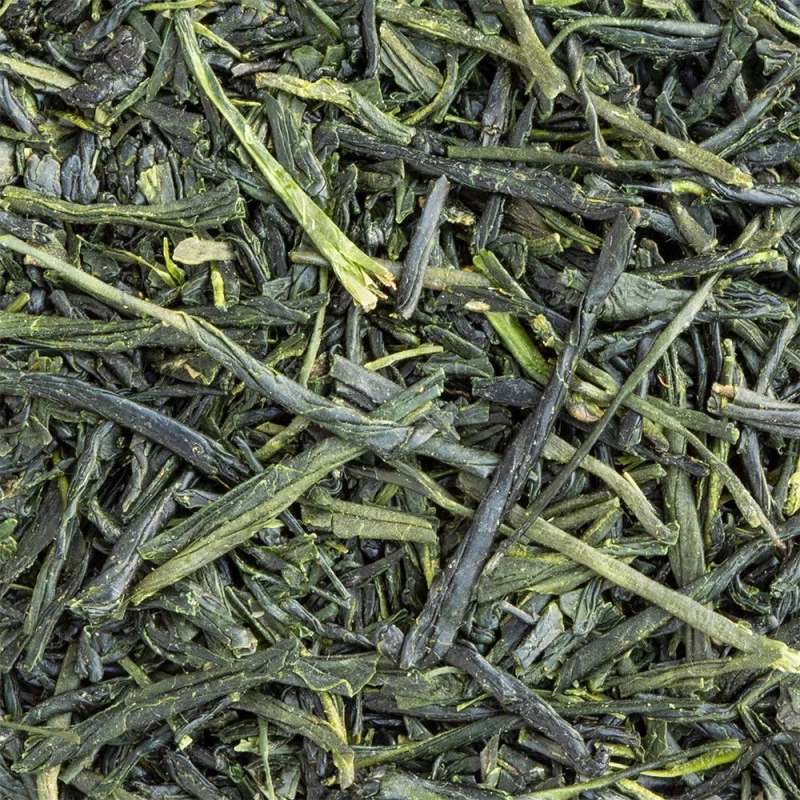
Before brewing, the slender leaves, deep green with an almost bluish hue, release a fresh, herbaceous, lightly briny scent. At first glance, you can tell this is a grand cru: the needles are even, glossy, and silky to the touch.
In the cup, the liquor takes on a luminous jade green, almost opalescent. The top notes open with a clean vegetal freshness, evoking freshly cut grass and young spinach shoots — the hallmark of shade-grown teas.
The mid-palate reveals the soul of Gyokuro: a rich, silky umami that calls to mind dashi broth, fresh hazelnut, and delicate nori. This almost creamy texture comes from the extended shading the tea plants undergo in the weeks before harvest.
The finish lingers with a gentle sweetness and a remarkable length on the palate, free from any pronounced bitterness. A subtle mineral trail is the signature of Japan's finest teas. Also worth exploring: our Japan Sencha Mizuki green tea, for a livelier, more springlike take on Japanese tea.
Brewing Gyokuro calls for a little care. Unlike black teas or more robust Senchas, this tea reveals its full beauty at low temperature. Water that is too hot would destroy its delicacy and bring out an unwelcome bitterness.
Water: choose a soft, low-mineral water. A gentle spring water works beautifully and lets the tea's subtlety shine through.
Quantity: use 12 g per litre, roughly 2 heaped teaspoons for a 300 ml teapot. For a more intense umami experience, you can go up to 15 g/L.
Temperature: 70 to 80°C, no higher. If you don't have a temperature-controlled kettle, bring the water to a boil, then let it rest for 4 to 5 minutes before pouring it over the leaves.
Steeping time: 1 to 3 minutes, depending on the intensity you prefer. Start with 1 minute for the first infusion, then gradually extend the time. Gyokuro takes beautifully to multiple successive steepings, each one revealing a different facet of the tea.
A tasting tip: use a small Japanese kyusu teapot and serve in small cups to concentrate the aromas. Try our Japanese Sencha green teas alongside to compare two of Japan's most complementary styles.
Gyokuro is a delicate green tea, sensitive to light, moisture, and strong odours. Keep it in its original tin or in an airtight, opaque container, away from heat and pungent food aromas. For the best experience, enjoy it within 6 months of opening to fully appreciate its vegetal freshness and characteristic umami.
Where does Gyokuro come from?
Gyokuro is a traditionally Japanese green tea whose name translates as "jade dew." Its defining characteristic is shade cultivation: the tea plants are covered for several weeks before harvest, which profoundly changes the profile of the leaves and concentrates their umami character.
How do you brew Gyokuro tea?
Steep 12 g per litre in water at 70-80°C for 1 to 3 minutes. Low temperature is essential to preserve the tea's sweetness and avoid any bitterness. Multiple successive steepings are possible, each one revealing a slightly different profile.
What are the characteristics of Gyokuro?
Slender, deep-green leaves, a jade-green liquor, pronounced umami, velvety sweetness, and deep herbaceous notes. It is one of Japan's great teas, harvested in spring (first flush) after an extended period of shading before picking.
What are the benefits of Gyokuro tea?
Like all unoxidized green teas, Gyokuro is valued for its natural profile and its concentration of plant compounds. To explore this topic further, read our article on the antioxidant properties of green tea.
To continue exploring Japan's finest teas, try our Premium Sencha Konomi green tea, an equally refined complement to the Gyokuro Kusanagi. Savour this tea in a quiet moment, with your full attention, to let all the richness of this great shade-grown cru unfold.


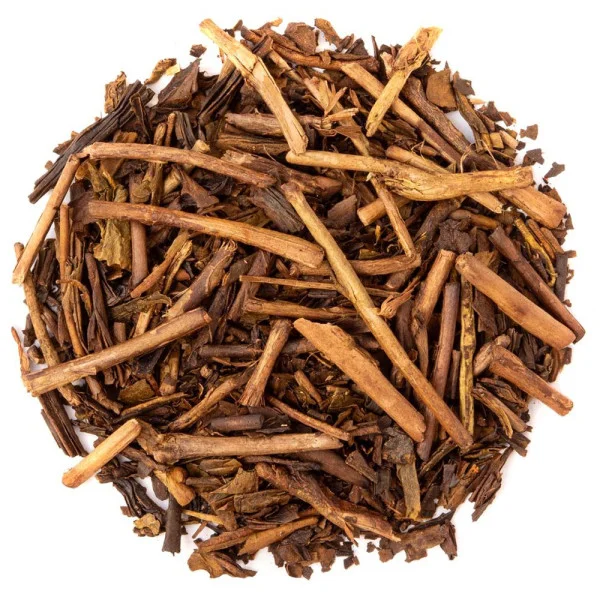
Velvety Japanese specialty, roasted, with toasted aromas

The perfect harmony between Japanese tradition and gentle sweetness

Rare Japanese first flush tea with exceptional umami
French House
Independent since 2016.
Fast delivery
Home delivery or click & collect.
Made with heart
In the south of France.
Customer service
A real voice at the end of the line,
Monday to Friday: 04 22 91 35 75.
Sharing, passing it on: our teas, our tips, the occasional unexpected idea, and little attentions just for you. Pure pleasure, ready to steep.