Drinking Green Tea at Night: Good or Bad Idea?

Yes, you can drink green tea in the evening, but with a few precautions. As it contains theine, a natural stimulant, a late cup can disturb sleep onset in sensitive people. It all depends on your caffeine tolerance, the amount you drink and how you brew it. For many, a light green tea in the early evening remains a perfectly possible pleasure.
Can you drink green tea in the evening?
Drinking green tea in the evening is not forbidden at all. Millions of people do it with pleasure, for the taste, the warmth of the cup or simply out of habit. The only real question is theine, the caffeine naturally present in tea, which can keep you alert.
If you tolerate caffeine well, an evening cup will probably cause no trouble. If you are sensitive to it, it is best to adjust the timing, the amount, or choose a decaffeinated version. Listening to your own body remains the best compass.
There is also all the charm of the moment. In the evening, green tea can become a real ritual: you slow down, prepare the water at the right temperature, let it steep and savour. This pause, after a busy day, often holds as much value as the drink itself, provided you practise it while being mindful of your sensitivity.
Should you avoid green tea in the evening?
There is no need to systematically avoid green tea in the evening. It is all a matter of moderation and individual sensitivity. Some people can drink a cup just before bed without feeling the slightest effect, while others notice a longer time to fall asleep.
A few situations do call for caution, though:
- if you are a light sleeper,
- if you are very reactive to caffeine,
- if you are going through a period of stress or fatigue.
In these cases, it is better to keep green tea for the daytime and switch to caffeine-free drinks for the evening.
What tea to drink in the evening?
If you love the warm evening ritual but want to protect your sleep, you have several options.
Teas to favour
A decaffeinated green tea keeps the pleasure of taste without the stimulating effect. A green tea steeped very briefly and lightly dosed also releases less theine.
The best caffeine-free alternatives
- rooibos, naturally caffeine-free, soft and slightly vanilla-like,
- verbena, fresh and soothing,
- chamomile, comforting par excellence,
- evening infusions, designed to accompany relaxation.
These drinks offer all the conviviality of a cup of tea, without any theine, and are perfectly suited to the end of the day.
The choice also depends on the mood of the moment. A vanilla rooibos wraps the evening in a gourmet softness, verbena brings a light freshness, chamomile evokes the comfort of winter nights. Varying the pleasures with the seasons keeps this ritual alive, without ever growing tired of it.
How to prepare green tea in the evening?
Preparing a green tea designed for the evening means above all aiming for gentleness. A few simple steps help:
- use warm water, around 70 to 75 °C, to preserve the finesse of the leaf,
- limit the steeping time to one or two minutes,
- dose the leaves lightly,
- you can make a very short first infusion of a few seconds, to discard, before re-steeping: part of the theine leaves with this first pour.
You then get a delicate cup, lighter in theine, perfect for savouring the moment without rushing.
Does green tea disturb sleep?
Green tea can disturb sleep, but not systematically. It is the caffeine it contains that keeps the brain awake and may, in sensitive people, delay sleep onset or make sleep lighter.
Caffeine takes several hours to be eliminated, which is why the time you drink matters as much as the amount. A cup in the mid afternoon is rarely a problem, while a cup just before bed is more so. If you notice your sleep regularly deteriorating, it is wise to talk to a healthcare professional.
What are the benefits of green tea in the evening?
Beyond the theine question, green tea remains a drink valued for its sensory and comforting side. In the evening, its main asset is this moment of pause: a warm ritual that invites you to slow down, breathe and savour.
Green tea is also a drink naturally rich in antioxidants, including the famous catechins, and it is enjoyed without sugar, which makes it a pleasant alternative to sweet evening drinks. Above all it is a taste pleasure and a moment for yourself, provided you adapt it to your sensitivity.
For those who tolerate it well, evening green tea can also become a moment of sharing: a cup for two after dinner, a conversation that lingers, a book you open. It is this warm and convivial dimension that makes tea far more than a simple drink.
What are the risks of drinking green tea in the evening?
The main drawbacks of a green tea taken too late are linked to theine:
- delayed sleep onset,
- lighter or fragmented sleep in sensitive people,
- slight nervousness or a faster heart rate in case of high intake.
Tea also contains compounds that can reduce iron absorption when drunk during meals; it is therefore better to enjoy it away from dinner. Otherwise, drunk in moderation, evening green tea remains a harmless pleasure for most people. When in doubt, especially during pregnancy, breastfeeding or treatment, talk to your doctor.
Frequently asked questions
No, no cup of tea makes you lose weight on its own. Green tea is a sugar-free and pleasant drink, but it replaces neither a balanced diet nor the advice of a healthcare professional.
It depends on your caffeine sensitivity. Many people prefer to stop drinking it after mid afternoon to protect their sleep.
It can in sensitive people, because of theine. A short, light or decaffeinated infusion limits this effect.
Rooibos, verbena, chamomile and evening infusions are ideal: they offer the comfort of a hot cup without caffeine.
Ready for a cup ? Browse our collection of organic green teas and find the one that suits you.
Tempted to try it?
Our selection related to this article, loose leaf and organic.
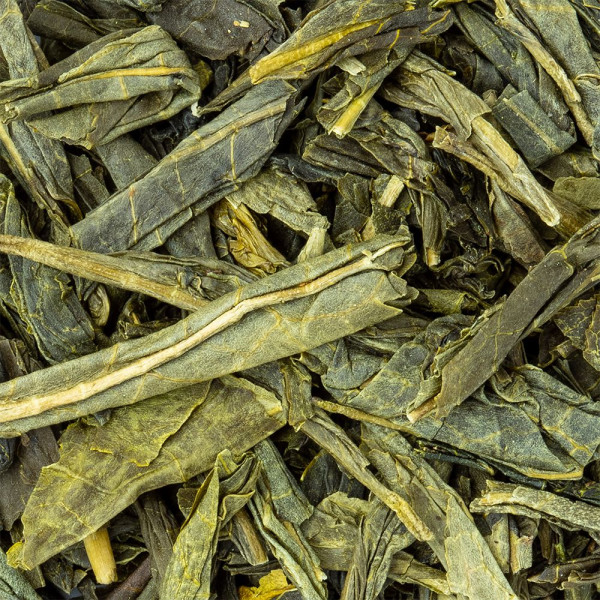
Sencha Green Tea
Organic Sencha is a timeless staple in China and Japan, where it is enjoyed daily.
€6.50Discover
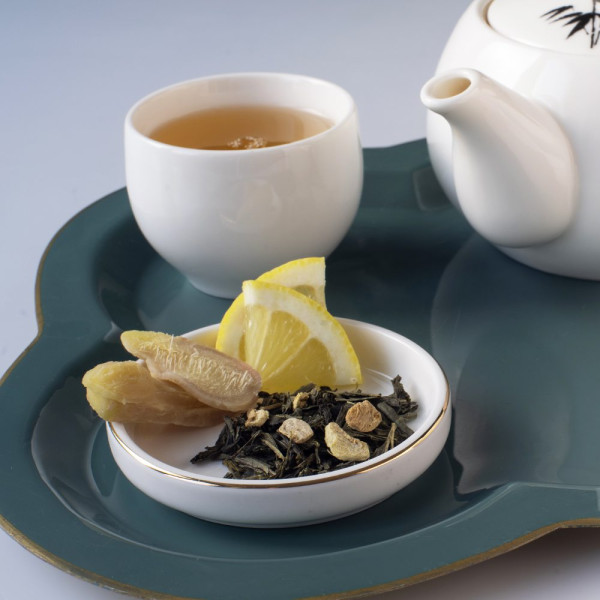
Yangtze Green Tea
Organic Yangtze green tea brings together a delicate Sencha with the brightness of lemon and the warmth of ginger.
€7.90Discover
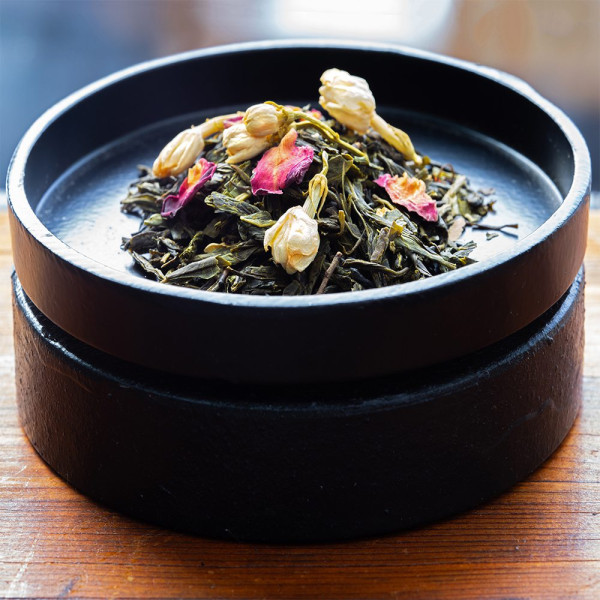
Tokyo Nights Green Tea
Tokyo Nights Green Tea: a floral, indulgent blend of Sencha, Chun Mee and jasmine green tea, lifted by rose petals and notes of…
€7.90Discover