Green Tea and Caffeine: Content, Effects, Brewing

A cup of green tea contains on average 20 to 45 mg of caffeine, far less than a coffee (around 80 to 120 mg). What people call theine is in fact the very same molecule as caffeine: only the way tea releases it changes the sensation. Paired with L-theanine, it offers a gentle, gradual lift, without the nervous spike of coffee.
How much caffeine is in green tea?
The caffeine content of green tea varies with the cru, the amount of leaves, water temperature and steeping time. In practice, expect 20 to 45 mg per 200 ml cup, against 80 to 120 mg for filter coffee. A few useful markers:
- The hotter the water and the longer the infusion, the more caffeine ends up in the cup.
- Young shoots (such as gyokuro or matcha, where the whole leaf is consumed as powder) are naturally richer.
- A steamed Japanese green tea often releases slightly more caffeine than a roasted Chinese one at equal steeping.
In other words, you stay in control: softer water and a short infusion give a lighter cup. Conversely, water that is too hot or a long steeping time extract more caffeine, but also more tannins, which can make the cup bitter. That is the whole art of dosing: aromatic finesse and caffeine content are tuned together, according to your mood of the moment.
Note too that the first infusion releases a good share of the caffeine. The following infusions, on the same leaves, naturally contain less: a handy reflex if you wish to extend the tasting while easing the stimulating effect cup after cup.
What is the difference between theine and caffeine?
This is the most common question, and the answer is simple: theine and caffeine are one and the same molecule. The word theine is a 19th-century legacy, when tea was thought to contain a separate alkaloid. Chemistry has settled it since: it really is caffeine.
What changes is the experience. In tea, caffeine binds with tannins and comes with L-theanine, a soothing amino acid. The result is a gradual release, a steadier and longer alertness, without the sharp rise and dry crash sometimes linked to coffee.
This gradual release explains why so many enthusiasts describe the effect of green tea as a quiet awakening. The caffeine does not arrive all at once: it diffuses more slowly, carried by the tannins, which smooths the energy curve. The word theine survives mainly in everyday language, but on the label as in chemistry, you should read caffeine.
What are the effects of green tea?
The clearest effect is a gentle boost in attention. Caffeine stimulates alertness while L-theanine favours a calm, focused state: this duo gives green tea its reputation as a drink for a clear mind rather than raw energy.
Green tea is also naturally rich in antioxidants, notably catechins. That is a matter of composition, not a health promise: we prefer to stay cautious and factual here. In terms of feel, many simply enjoy a warm, comforting, low-calorie drink that punctuates the day beautifully.
What are the benefits of green tea?
When it comes to benefits, let us stay measured and honest. Green tea is above all a drink of pleasure and ritual, naturally rich in antioxidants and catechins, and very low in calories when drunk plain. It is also an excellent way to stay hydrated throughout the day, with an endless range of aromatic profiles to discover, from fresh vegetal to more marine notes.
The caffeine and L-theanine pairing brings that rare balance between alertness and serenity, which so many enthusiasts seek to work, read or meditate. We refrain, however, from any quantified health promise: for such questions, a professional's advice remains the best reference. The real benefit, day to day, is that suspended moment around a beautiful cup.
Does green tea help with weight loss?
This is a widespread idea, and it deserves an honest nuance: no, green tea does not melt fat on its own. No drink replaces a balanced diet and regular physical activity. Studies point to modest, variable effects, nothing magical. Green tea can pleasantly support good habits, but presenting it as a slimming product would be misleading. For any weight goal, it is best to speak with a healthcare professional.
Does green tea contain more caffeine than coffee?
No, cup for cup green tea generally contains two to four times less caffeine than coffee. The comparison with coffee can be confusing because of matcha: since you drink the whole leaf as powder, a cup of matcha can approach or even exceed an espresso. But for a classic brewed green tea, you stay on a far lighter drink, ideal when you want focus without the buzz.
How to brew green tea?
A good infusion preserves the aromatic finesse and avoids bitterness. Our markers:
- Water at 70-80 °C (never boiling) for most green teas.
- 2 to 3 minutes of steeping, adjusted to taste.
- About 2 g of leaves (one spoon) for 200 ml.
- Good green teas re-infuse: a second, sometimes a third, gentler cup.
For a lighter, lower-caffeine cup in the evening, shorten the infusion and lower the temperature: you keep the aroma while easing the stimulating effect. Water quality matters too: lightly mineralised water better reveals the finesse of green teas. And if you are starting out, trust your palate first rather than a rigid timer. The right green tea is the one you enjoy, infusion after infusion.
Frequently asked questions
It contains caffeine, so it may disturb sleep in sensitive people. If that is your case, enjoy it in the morning or early afternoon, or choose a caffeine-free infusion in the evening.
For most adults, two to four cups fit well within a reasonable intake. If you are sensitive to caffeine, pregnant or unsure, ask your doctor for advice.
Yes, there are decaffeinated green teas, which keep a tiny share of caffeine. It is a good option to enjoy the aroma in the evening while limiting the stimulating effect.
To put these tips into practice, explore our green teas to discover, from delicate sencha to flavoured blends.
Tempted to try it?
Our selection related to this article, loose leaf and organic.
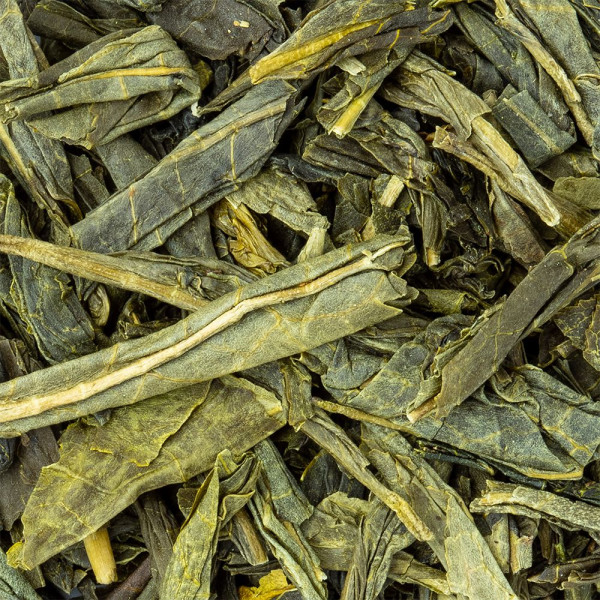
Sencha Green Tea
Organic Sencha is a timeless staple in China and Japan, where it is enjoyed daily.
€6.50Discover

Yangtze Green Tea
Organic Yangtze green tea brings together a delicate Sencha with the brightness of lemon and the warmth of ginger.
€7.90Discover
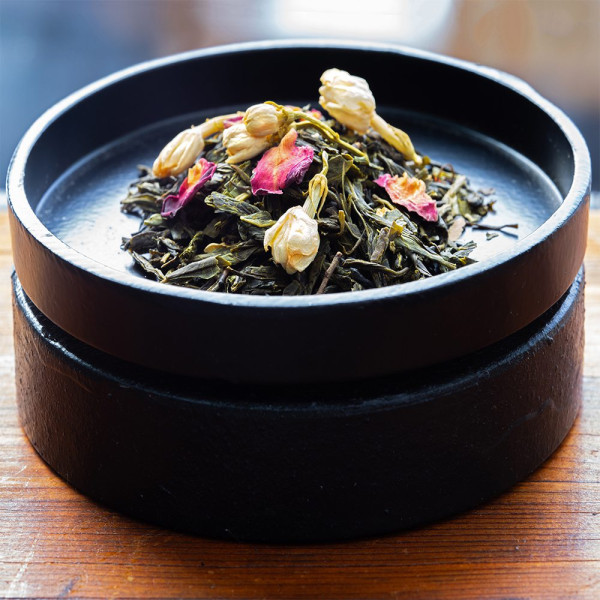
Tokyo Nights Green Tea
Tokyo Nights Green Tea: a floral, indulgent blend of Sencha, Chun Mee and jasmine green tea, lifted by rose petals and notes of…
€7.90Discover