Rooibos & Blood Pressure: Benefits and Precautions

In our pursuit of a calmer, gentler everyday life, we often turn to simple pleasures that help us slow down. Rooibos, the deep-red herbal infusion from South Africa, is attracting growing attention among lovers of good things. Naturally free from theine and caffeine, it can be enjoyed at any hour, for the sheer comfort of a warm cup. Let's explore, somewhere between ancestral tradition and modern curiosity, what makes this gentle infusion so charming. Rooibos is a pleasure drink: it does not treat or prevent high blood pressure and is not a substitute for medical advice.
The essentials in 30 seconds
- Rooibos is an infusion that is naturally free from theine and caffeine, rich in plant compounds such as aspalathine
- Caffeine-free, it suits anyone who wishes to limit stimulants, at any time of day
- Rooibos is prized for its natural richness in antioxidants (aspalathine, nothofagine)
- It fits easily into a daily routine, as part of a balanced lifestyle
- Unlike traditional tea, rooibos can be enjoyed at any time of day without disrupting your sleep
What makes rooibos so special?
Red rooibos has a unique composition that makes it an infusion apart. Naturally free from caffeine, this drink holds some remarkable treasures.
At the heart of its singularity is chrysoeriol, a naturally occurring flavonoid, alongside a wealth of polyphenols. These plant compounds are part of what gives rooibos its botanical character and its place among the most intriguing infusions. It is this botanical richness, more than any specific effect, that makes the charm of this red infusion.
Aspalathine, another rare gem found in rooibos, is equally worth noting. This uncommon antioxidant is found almost nowhere else in the plant world and is one of the most studied compounds of this infusion. It is precisely this rarity that makes rooibos so distinctive among herbal infusions.
Unlike coffee or black tea, rooibos contains no stimulants whatsoever. This absence of caffeine makes it a wonderfully gentle drink for anyone who wishes to limit stimulating substances. You can enjoy a cup of rooibos in the evening without worrying about disrupting your sleep, and we all know how important good rest is for our general wellbeing.
What does the science say about rooibos?
Modern science takes a close interest in the traditional uses of rooibos. Several studies, still at an early stage, explore the composition of this red infusion.
Some of this work was carried out on animal models or in the laboratory: it belongs to fundamental research and allows no conclusion for human health. To date, no effect of rooibos on blood pressure has been demonstrated in humans. This infusion should therefore be seen as a pleasure drink, not as an answer to a blood pressure problem.
Research also looks at the place of rooibos within a varied diet. The available data nonetheless remains limited and does not allow any specific health benefit to be attributed to this infusion.
It is therefore worth keeping in mind that research into rooibos is still in its early stages and human studies remain rare. Given current knowledge, rooibos is simply enjoyed for its taste and its moment of comfort, as part of a balanced lifestyle and never as a replacement for medical follow-up.
How to make rooibos part of your daily routine
Bringing rooibos into your daily life is simpler than it might seem. This infusion adapts beautifully to any moment of the day.
Start by gradually replacing some of your usual drinks with rooibos. In the morning, instead of that second cup of coffee, reach for a cup of plain or lightly flavoured rooibos. Its naturally gentle, subtly sweet taste tends to win people over quickly. In the afternoon, when a warm pause calls, rooibos becomes your go-to comfort drink, without any of the downsides of caffeine.
Brewing rooibos calls for a little more patience than classic tea. Steep the leaves for 7 to 10 minutes in near-boiling water to draw out all its aromas. This longer infusion time releases the maximum amount of antioxidants and gourmet notes. Feel free to brew a full teapot in the morning and sip it throughout the day, hot or cold.
To make the most of it, aim for 3 to 4 cups a day, spread out evenly. This lets you enjoy rooibos throughout the day, without excess. You can also vary the experience by choosing different varieties: plain rooibos, blended with vanilla, citrus, or warming spices.
One brewing tip: if the taste feels too light at first, simply increase the amount of rooibos or extend the steeping time. Unlike tea, rooibos never turns bitter, even with a long infusion.
Rooibos and high blood pressure: what to know before you start
While rooibos is generally considered safe, a few considerations are worth keeping in mind, especially if you have hypertension and are following a medical treatment plan.
First and foremost: rooibos is not a substitute for prescribed medication and has no therapeutic action on blood pressure. If you are taking medication for high blood pressure, continue your treatment and think of rooibos simply as a pleasure drink. Always speak with your doctor before introducing new elements into your routine, even natural ones.
Rooibos naturally contains minerals, including potassium, which may interact with certain blood pressure medications. While such interactions are rare and generally mild, your healthcare professional can advise you based on your specific situation.
If you have a history of kidney stones, it is also worth noting that rooibos contains oxalic acid, even in moderate amounts. Reasonable consumption is unlikely to cause problems, but it is worth discussing with your doctor if you are at risk.
For pregnant or breastfeeding women with hypertension, rooibos has the advantage of being caffeine-free. As with any dietary change during this period, however, medical advice is still recommended.
Finally, opting for organic rooibos is a good idea, to avoid pesticide residues and make the most of its natural qualities. The quality of your infusion directly influences the richness of its aromas.
Beyond the cup: the other strengths of rooibos
Rooibos is about more than its round, comforting taste. This red infusion offers a real bouquet of sensory qualities that make it a gentle everyday drink.
Rooibos is naturally rich in antioxidants, particularly aspalathine and quercetin, two compounds that contribute to its botanical singularity. It is this plant richness, unique to the plant, that draws the attention of enthusiasts and researchers alike.
On the taste side, rooibos charms with its naturally gentle, slightly sweet and bitterness-free flavour, loved by young and old alike. It is a wonderfully round alternative to theine drinks, to be enjoyed at any hour.
The absence of caffeine offers an added bonus at moments of relaxation. Free from stimulants, rooibos happily accompanies your quiet pauses and encourages a state of calm that is appreciated at the end of the day. It becomes a genuinely comforting ritual: a quiet moment that does both body and mind good.
Another welcome point: caffeine-free, rooibos is perfectly suited to evenings and does not interfere with falling asleep. By offering a gentle, soothing evening drink, it becomes the ideal companion for your night-time rituals.
Common questions about rooibos and blood pressure
Does rooibos have an effect on blood pressure?
Let's be clear: to date, no effect of rooibos on blood pressure has been demonstrated in humans, and this infusion should not be seen as a way to act on blood pressure. Rooibos is above all a pleasure drink, caffeine-free, enjoyed for its gentleness and its moments of relaxation. If blood pressure is a concern for you, speak to your doctor: only they can guide you.
Can I drink rooibos while taking blood pressure medication?
In most cases, yes, but always with your doctor's approval. Rooibos has no known major interactions with standard antihypertensive treatments. As a precaution, however, and as with any drink consumed regularly, it is best to mention it to your doctor if you are following a treatment. Never change your medication without medical advice, even if you are feeling better.
What is the difference between green and red rooibos?
Green rooibos, which undergoes less fermentation than red, does retain higher levels of antioxidants, particularly aspalathine. Beyond this nuance of composition, the difference really plays out in the cup. The choice comes down to personal taste: green rooibos has a more grassy, herbal flavour, while red is gentler and slightly fruity. What matters most is choosing the one you will actually enjoy drinking every day.
Are there any contraindications to be aware of?
Rooibos is remarkably safe for most people. The main precautions apply to those with a history of kidney stones (due to its oxalic acid content) and those taking iron supplements (rooibos can slightly reduce iron absorption). If you have severe kidney or liver conditions, it is worth seeking your doctor's advice. For most others, including children and pregnant women, rooibos can generally be consumed without concern.
Should I choose organic rooibos?
It is strongly recommended. Organic rooibos guarantees the absence of pesticides and chemicals that could alter its natural qualities. Organic farming methods also tend to preserve a richer antioxidant content in the plant. Yes, organic rooibos costs a little more, but consider it a mark of quality. The difference in quality comes through in the taste too: cleaner, more authentic, and more satisfying.
Want to keep the experience going ? Discover our organic rooibos selection and find the one that suits you.
Tempted to try it?
Our selection related to this article, loose leaf and organic.
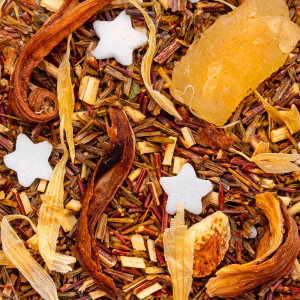
Lemon Meringue Rooibos
Lemon meringue tart rooibos brings a real patisserie to your cup: green rooibos, lemon peel, candied pineapple, white hibiscus …
€8.70Discover
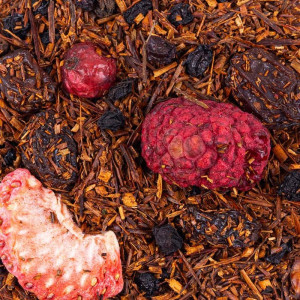
Wild Berry Rooibos
Organic wild berry rooibos makes for an indulgent, caffeine-free infusion where raspberry, strawberry, blackcurrant and elderbe…
€7.90Discover
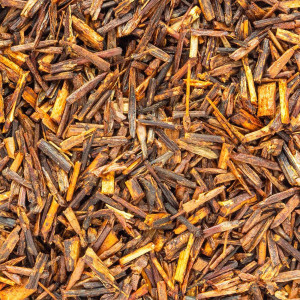
Natural Rooibos
Organic natural Rooibos from South Africa offers a caffeine-free infusion that is smooth and naturally indulgent.
€6.90Discover
Also explore the guide — ROOIBOS
-
 Rooibos Side Effects: 5 Contraindications Worth Knowing
Discover
Rooibos Side Effects: 5 Contraindications Worth Knowing
Discover
-
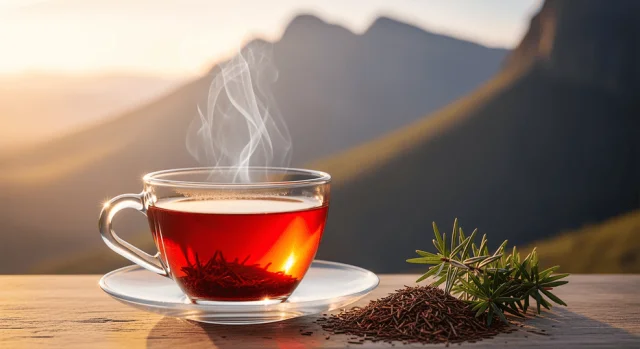 How to Pronounce Rooibos Correctly
Discover
How to Pronounce Rooibos Correctly
Discover
-
 Rooibos in the Evening: Benefits and Tips for Restful Nights
Discover
Rooibos in the Evening: Benefits and Tips for Restful Nights
Discover
-
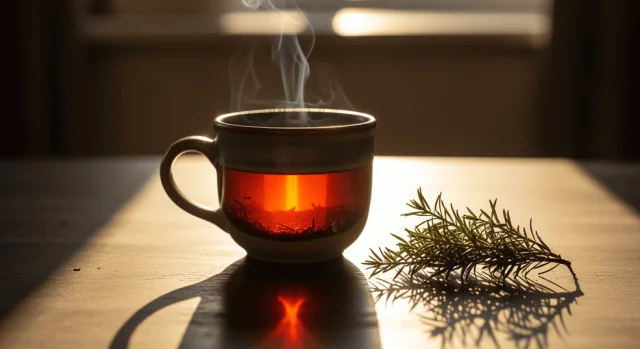 Rooibos herbal infusion: benefits, varieties & wellness
Discover
Rooibos herbal infusion: benefits, varieties & wellness
Discover
-
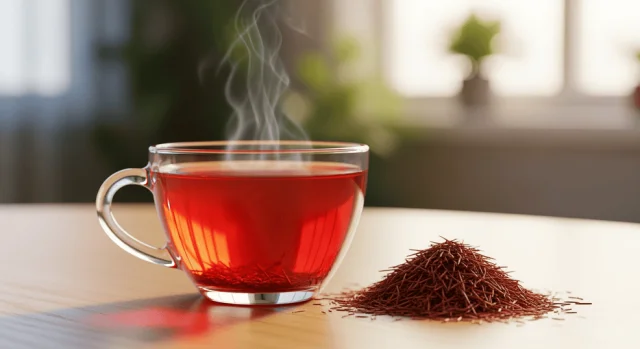 Best Rooibos: Buying Guide and Top Picks
Rooibos and Diabetes: What You Should Know
Discover
Best Rooibos: Buying Guide and Top Picks
Rooibos and Diabetes: What You Should Know
Discover