Rooibos and iron absorption: what you need to know

Wondering whether your daily cup of rooibos could affect your iron levels? It's a question that concerns many herbal infusion lovers, especially after hearing that certain teas can interfere with the absorption of this essential mineral. Good news: rooibos is the exception. This South African infusion, with its gentle, vanilla-tinged notes, has unique characteristics that make it a genuine ally for your iron balance.
The key takeaways
- Rooibos does not block iron absorption, unlike traditional teas
- Its low tannin content preserves the assimilation of this vital mineral
- It may even support iron absorption thanks to its naturally occurring vitamin C
- An ideal choice for those at risk of iron deficiency or following a vegetarian diet
- A perfect alternative to classic teas to enjoy alongside your meals
Why doesn't rooibos interfere with iron absorption?
The fundamental difference between rooibos and traditional teas lies in its chemical composition. Unlike green or black tea, rooibos contains very few tannins: those compounds responsible for bitterness and, more importantly, for inhibiting iron absorption.
The tannins found in classic teas form complexes with dietary iron, making it less available to the body. Rooibos, derived from Aspalathus linearis, a plant native to South Africa, sidesteps this issue entirely thanks to its unique composition.
This is explained by the natural fermentation process rooibos undergoes. During this stage, the tannins transform and lose their ability to interfere with mineral absorption. The result? You can enjoy your infusion without any concern for your iron status.
Can rooibos actually support iron absorption?
Here's where things get truly interesting. Not only does rooibos avoid harming iron absorption, it may actually enhance it. This infusion naturally contains vitamin C, a nutrient well known for optimising the assimilation of non-haem iron (the kind found in plant-based foods).
Vitamin C converts ferric iron into ferrous iron, a form more readily absorbed by the intestine. This is why nutritionists often recommend pairing vitamin C sources with plant-based iron-rich foods.
What's more, the absence of caffeine in rooibos removes another potentially inhibiting factor. Some studies suggest that caffeine can slightly reduce iron absorption, particularly when consumed alongside meals.
Who benefits most from rooibos when it comes to iron?
Several groups of people gain particular benefit from this unique property of rooibos:
Women of childbearing age have higher iron requirements due to menstrual losses. Replacing traditional tea with rooibos can help them maintain healthy iron stores.
Vegetarians and vegans rely primarily on non-haem iron, which is less readily absorbed than iron from animal sources. Rooibos becomes a smart choice to accompany meals rich in legumes, whole grains, and leafy greens.
Those diagnosed with iron-deficiency anaemia can continue enjoying a warm, comforting drink without compromising their treatment. Of course, this is no substitute for appropriate medical care.
Children and teenagers in their growing years also benefit from this quality, especially since rooibos is naturally caffeine-free and can be enjoyed at any time of day.
How to make the most of rooibos for iron absorption
A few simple habits can make a real difference when it comes to this beneficial pairing:
Enjoy your rooibos during or straight after meals that are rich in iron. This timing allows the vitamin C to play its full role as an absorption enhancer.
Avoid adding milk to your rooibos if you're looking to maximise iron absorption. Calcium can slightly interfere with this process. A slice of lemon is a better choice and brings an extra boost of vitamin C.
Mix things up by alternating between plain rooibos and flavoured blends. Some varieties include fruits naturally high in vitamin C, such as orange or strawberry, creating an even more beneficial synergy.
Rooibos vs traditional teas: the iron absorption comparison
The contrast is striking. Where a cup of black tea can reduce iron absorption by 60 to 70% according to some studies, rooibos keeps absorption at its optimal level.
This difference matters especially for regular tea drinkers. If you have several cups a day, switching to rooibos can make a meaningful difference to your iron balance.
Green tea, despite its many benefits, presents the same drawback as black tea when it comes to iron. Rooibos offers a no-compromise alternative: all the pleasure of a warm, flavourful drink, with your nutritional status fully intact.
Other minerals and rooibos
The story doesn't end with iron. Rooibos naturally contains several valuable minerals: calcium, magnesium, potassium, zinc, and manganese. These are present in bioavailable forms, meaning the body can absorb and use them with ease.
This mineral richness makes rooibos far more than a simple tea alternative. It's a genuine source of nutrients that contributes to your daily intake, particularly valuable as part of a balanced diet.
The magnesium in rooibos supports muscle relaxation and healthy nervous system function. Calcium contributes to bone health, while zinc plays a role in immunity and wound healing.
Practical tips for making rooibos part of your daily routine
Gradually replacing your usual teas with rooibos can be a gentle, enjoyable transition. Start by substituting every other cup, then adjust as your taste preferences evolve.
Rooibos lends itself beautifully to long steeping times without turning bitter. Feel free to infuse for 5 to 7 minutes to draw out all its goodness and fully develop its naturally sweet aromas.
If you enjoy a milky brew, try a rooibos latte. While milk may slightly reduce iron absorption, this drink remains a more favourable option than its traditional tea equivalent.
Don't forget iced rooibos for the summer months. Cold-brewed over several hours, it develops a particularly gentle sweetness while retaining all of its nutritional properties.
Frequently asked questions about rooibos and iron
No, rooibos does not contain enough iron to treat a confirmed deficiency. Its value lies in its ability not to hinder the absorption of dietary iron or of supplements prescribed by your doctor. It makes an excellent complement to a balanced diet and, where needed, to medical treatment.
Because rooibos is caffeine-free, there are no particular restrictions on how much you can drink. Three to four cups a day is a perfectly reasonable amount, allowing you to enjoy all its benefits without overdoing it.
Green rooibos, which is unfermented, contains even fewer tannins than its traditional red counterpart. It therefore preserves iron absorption even more effectively, while offering a slightly different antioxidant profile. Both varieties are well suited to those mindful of their iron status.
Absolutely. Rooibos is perfectly suited to children, thanks to its caffeine-free nature and natural sweetness. It's a wonderful way to introduce them to the pleasure of warm infusions while protecting their iron absorption, which is so important for healthy growth.
Unlike traditional teas, which are best avoided during meals, rooibos can be enjoyed at any time. That said, to optimise iron absorption, drinking it during or just after meals rich in plant-based iron is the ideal approach.
To taste it is to love it : find our rooibos collection, harvested in South Africa.
Tempted to try it?
Our selection related to this article, loose leaf and organic.
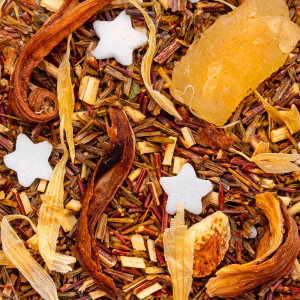
Lemon Meringue Rooibos
Lemon meringue tart rooibos brings a real patisserie to your cup: green rooibos, lemon peel, candied pineapple, white hibiscus …
€8.70Discover
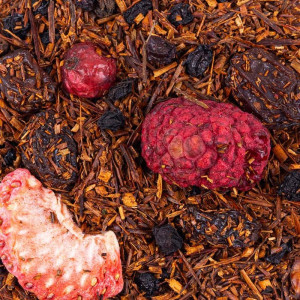
Wild Berry Rooibos
Organic wild berry rooibos makes for an indulgent, caffeine-free infusion where raspberry, strawberry, blackcurrant and elderbe…
€7.90Discover
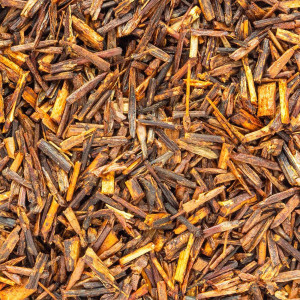
Natural Rooibos
Organic natural Rooibos from South Africa offers a caffeine-free infusion that is smooth and naturally indulgent.
€6.90Discover