Rooibos and Diabetes: What You Should Know

When you are looking for a warm drink that is naturally sugar-free, rooibos deserves a closer look. This red infusion from South Africa, naturally free of caffeine and theine, charms with its gentle flavour and complete absence of sugar. At Thés & Traditions, we love sharing how this herbal infusion can fit seamlessly into your daily routine, to suit your every mood.
Key Takeaways
- Rooibos contains aspalathin, a natural and rare antioxidant characteristic of this plant
- Its naturally sweet flavour calls for no added sugar at all
- Naturally sugar-free and calorie-free, it makes an ideal substitute for sugary drinks
- Rich in polyphenols, it fits naturally into a balanced lifestyle
- It can be enjoyed freely, even in the evening, thanks to its complete lack of stimulants
What Makes Rooibos So Distinctive?
Aspalathin, a flavonoid unique to rooibos, is the subject of ongoing research that continues to take a close interest in it. This rare molecule is one of the most characteristic natural antioxidants of the plant. Unlike other antioxidants, it stands out for its rarity in the plant kingdom.
While research continues to explore its compounds, rooibos remains above all a drink to be enjoyed for pleasure, as part of a balanced diet. It is in no way a substitute for medical advice or appropriate treatment.
What makes rooibos even more appealing is its gentle character on the palate. Naturally free of sugar, it is enjoyed plain, with nothing added, for a pause that is both comforting and wonderfully light.
A Gentle Drink, Free of Sugar and Theine
Imagine enjoying a warm, comforting drink at any moment of the day. That is exactly what rooibos offers. Naturally free of sugar and very low in calories, it can be savoured as often as the mood takes you.
This makes it an ideal alternative to sodas, fruit juices and other sugary drinks. You can enjoy several cups a day without any guilt, whether at breakfast, as a snack or after dinner.
The absence of caffeine brings another real advantage. Because it contains neither theine nor caffeine, rooibos can be enjoyed at any hour, with no concern for your sleep. A precious asset for anyone who loves a warm drink as evening falls.
An Infusion Rich in Natural Antioxidants
Rooibos stands out for its richness in natural antioxidants, among them aspalathin and quercetin. These compounds, naturally present in the plant, give this infusion a singular composition, to be enjoyed as part of a balanced lifestyle.
Beyond its tasting qualities, rooibos is loved for its gentleness and its complete absence of sugar. It is a drink that naturally accompanies your days, cup after cup, without ever tiring the palate.
Its round, lightly woody flavour invites you to unwind. Rooibos lends itself beautifully to moments of pause, when you take the time to savour a warm drink, simply for the pleasure of it.
How to Incorporate Rooibos into Your Daily Routine
At Thés & Traditions, we suggest starting with 2 to 3 cups of rooibos a day, ideally between meals. This simple habit can become a genuine wellness ritual, a quiet pause in your day dedicated to taking care of yourself.
In the morning, a cup of plain rooibos or one lightly flavored with vanilla can pleasantly replace your usual coffee. In the afternoon, try a citrus version for a refreshing touch with no added sugar. In the evening, a rooibos with gentle spices such as cinnamon makes a wonderfully soothing end to the day, with its warm, comforting notes.
To bring out all its aromas, always choose a quality rooibos, preferably organic. Steep for 5 to 7 minutes in water at 95°C (200°F) to release the fullest flavour. And resist the temptation to add sugar: rooibos has a naturally sweet flavor that really does stand on its own.
Precautions and Practical Advice
While rooibos is generally very well tolerated, it remains above all a drink to be enjoyed for pleasure. This infusion treats no illness and is in no way a replacement for medical treatment or the advice of your doctor.
If you are following any treatment, particularly for diabetes, ask your doctor for advice before adding new drinks to your daily routine. Every body responds differently, and the guidance of a healthcare professional is always the wisest precaution.
For storage, keep your rooibos in a cool, dry place away from light to preserve its aromas and natural antioxidants. Properly stored rooibos keeps all its freshness for several years, allowing you to keep a steady supply for your daily moments of pause.
Frequently Asked Questions about Rooibos and Diabetes
Great question. Rooibos is naturally free of sugar and very low in calories. That is precisely what makes it such a cherished warm drink for everyday life: it can be savoured plain, with nothing added, simply for the pleasure of its naturally sweet flavour. For any question relating to diabetes, your doctor's advice remains your best guide.
Good news: there is no strict limit. Unlike tea or coffee, rooibos contains neither caffeine nor excess tannins. Drinking 4 to 6 cups a day is perfectly fine. Some studies have even tested larger amounts without observing any adverse effects. Simply listen to your body and adjust to suit your preferences.
Absolutely not. Rooibos is never a substitute for prescribed medical treatment and treats no illness, diabetes included. It is simply a drink to be enjoyed for pleasure. As always, if you are following any treatment, a quick mention to your doctor at your next appointment is never a bad idea.
Both varieties have their strengths. Green rooibos, which is unfermented, generally retains a higher level of aspalathin, the plant's signature antioxidant. Red rooibos, for its part, develops a rounder, milder flavour that often makes it more enjoyable for everyday drinking. The most important thing is to choose the one you will genuinely look forward to drinking regularly.
As for honey, feel free to add a touch to suit your taste, although rooibos often stands perfectly well on its own. Above all, we encourage you to discover its naturally sweet flavour, with nothing added. Over time, you may find yourself appreciating its authentic taste more and more, and your palate will gradually adjust to less sweetness.
To taste it is to love it : find all our South African rooibos, harvested in South Africa.
Tempted to try it?
Our selection related to this article, loose leaf and organic.
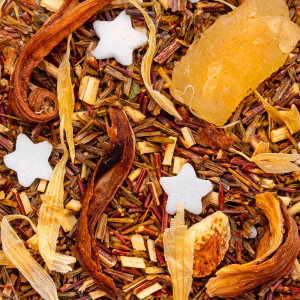
Lemon Meringue Rooibos
Lemon meringue tart rooibos brings a real patisserie to your cup: green rooibos, lemon peel, candied pineapple, white hibiscus …
€8.70Discover
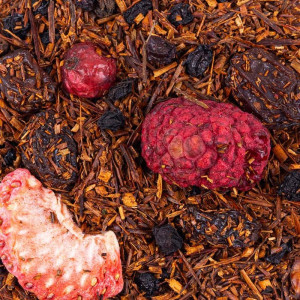
Wild Berry Rooibos
Organic wild berry rooibos makes for an indulgent, caffeine-free infusion where raspberry, strawberry, blackcurrant and elderbe…
€7.90Discover
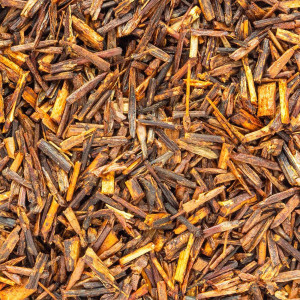
Natural Rooibos
Organic natural Rooibos from South Africa offers a caffeine-free infusion that is smooth and naturally indulgent.
€6.90Discover