
Organic
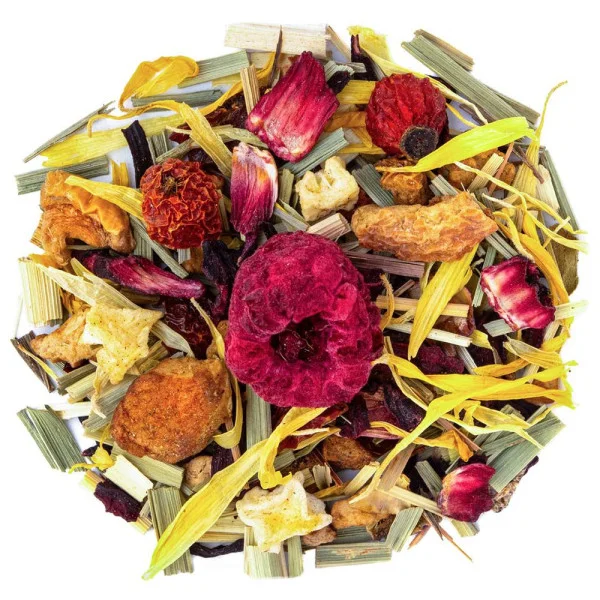
Caribbean Dream
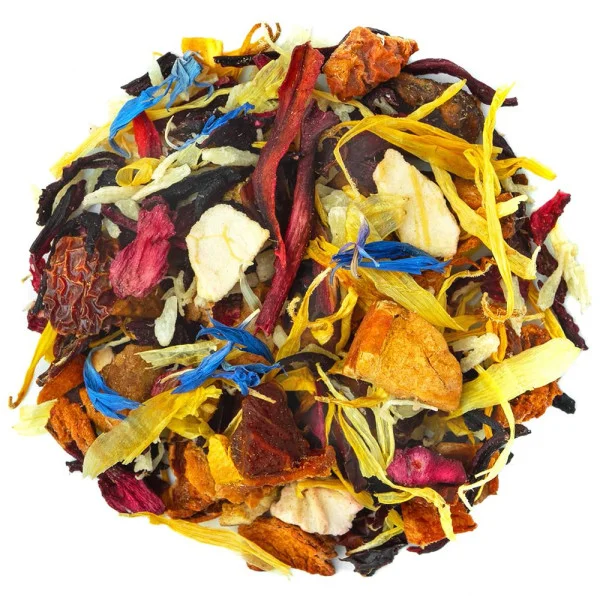
Mango coconut infusion, a journey to the tropics
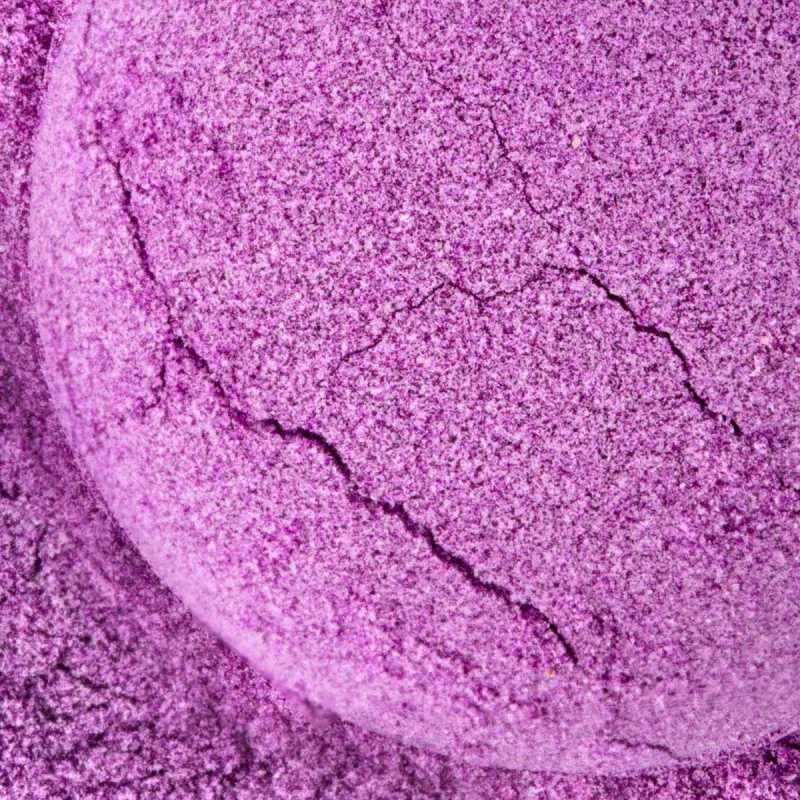
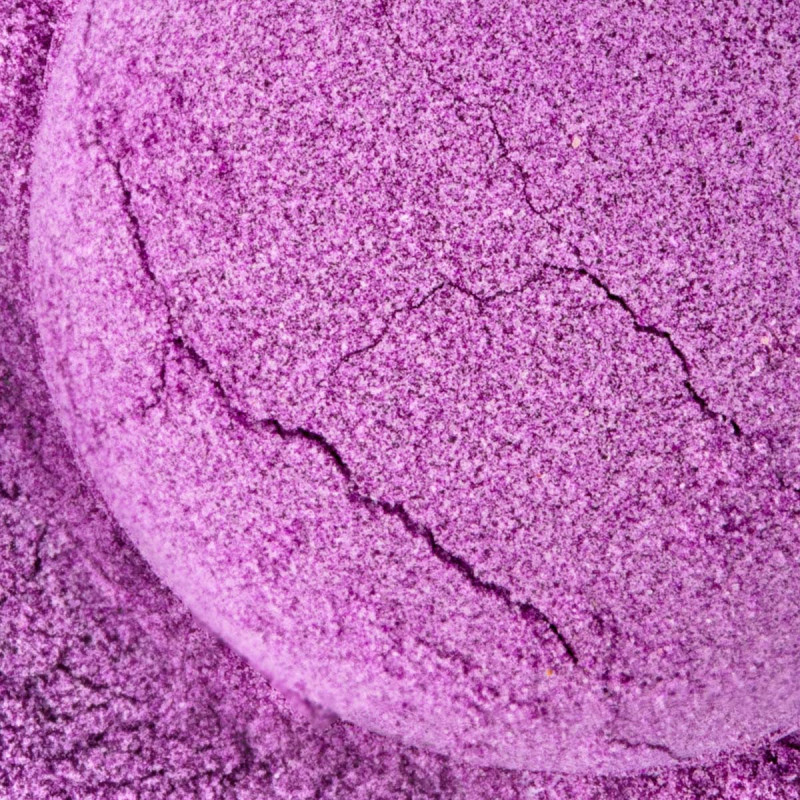
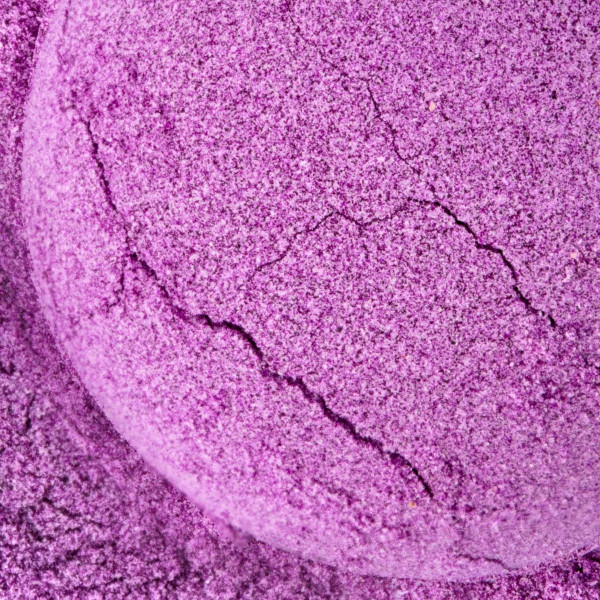
Experience the magic of ube, the purple yam from the Philippines that turns your drinks and desserts into stunning culinary creations. Our 100% natural ube powder invites you to discover a soft, delicately vanilla-like flavour, along with that signature deep violet colour that never fails to impress.
our expertise


In our workshop in Provence, each blend is handcrafted with passion by our team.
Real pieces of dried fruit, whole plants and carefully selected teas of origin.
Carefully crafted to create unforgettable tasting moments. A signature taste, an authentic experience.
Ube, also known as purple yam, is a tuber native to Southeast Asia and cultivated for centuries in the Philippines. Its deep violet flesh gets its striking color from anthocyanins, the same pigments found in blueberries. Not to be confused with purple sweet potato, which is starchier and milder: ube has a distinctly smoother, more vanilla-like flavor. Our ube powder is made by drying and finely milling the whole tuber, with no additives or flavorings, preserving the taste and color of fresh ube in a stable, easy-to-measure form.
Powder concentrates the color and keeps for months in its resealable pouch at room temperature. Paste, often sold in jars or frozen, has a high water content and doesn't keep long once opened. Extract, or ube flavoring, delivers color and often an artificial scent, but none of the tuber's actual taste. For a homemade ube latte, ice cream or baked good, powder is the most straightforward and most authentic option.
This is the most popular use for ube powder, and the quickest. Place 1 to 2 teaspoons of powder in a mug, add a tablespoon of warm milk and stir until you have a smooth paste: this is the key to a lump-free result. Top up with 200 ml of hot milk, coconut milk or oat milk all work particularly well with its vanilla notes. Froth with a whisk or milk frother, sweeten if you like, and serve. For an iced version, make the paste with a little hot water, then pour over cold milk and ice. For the full recipe and variations, visit our ube latte recipe.
In baking, allow roughly 1 tablespoon of powder per 250 g of flour: cakes, muffins, cookies and pancakes take on an even purple hue and a gentle flavor. In custards, cheesecakes, tiramisus or homemade ice cream, whisk the powder into the milk or cream before combining with the rest of the mixture. It also works beautifully in mochis, macarons, bubble tea pearls and smoothie bowls. In the Philippines, ube halaya, a sweet ube and condensed milk jam, is spread on toast and used to fill cakes: it comes together easily with the powder, replacing fresh tuber with a smooth paste of powder and water.
The powder dissolves in both hot and cold liquids; mixing it first into a smooth paste with a little liquid ensures a lump-free texture throughout. A small amount goes a long way: the color is intense. Store the pouch tightly sealed, in a dry place away from direct light, which can fade the purple. Kept this way, the powder holds its color and flavor for many months.
In Filipino cooking, ube is a celebratory ingredient, beloved in desserts: ice creams, cakes, brioche breads, cold drinks. Its vivid color has made it, in recent years, a favorite of cafés and bakeries around the world, from ube lattes to purple-glazed doughnuts. Our powder comes from Philippine plantations, dried at low temperature and finely milled to preserve the tuber's color and natural sweetness.
One ingredient: purple yam. No added sugar, no flavorings, no colorings, no preservatives. Naturally caffeine-free and gluten-free, it suits children and adults alike, at any time of day. The resealable pouch keeps the powder away from moisture between uses. You'll find other latte powders in our selection of matchas and herbal infusions.
What does ube powder taste like?
A unique flavor: smooth and rounded, lightly vanilla-scented, with a hint of hazelnut. It's naturally subtle and pairs beautifully with vanilla, coconut, white chocolate and red berries.
Where can I buy ube powder?
Right here, in a resealable pouch, shipped from our tea house. It's rarely found in supermarkets and is most commonly available in Asian grocery stores and specialist online shops.
Is ube powder a food coloring?
No, it's a food: dried tuber. Its color is entirely natural and acts as a plant-based dye in recipes, with no synthetic ingredients.
How do I avoid lumps?
Start by mixing the powder with a spoonful of warm liquid to form a smooth paste, then gradually add the rest. A whisk or milk frother will finish the job.
What's the difference between ube and taro?
Taro is another tuber, with white flesh flecked with purple and a more earthy flavor. Ube is significantly more violet and much sweeter. Both are used in desserts, but they're not interchangeable.
Is ube powder suitable for children?
Yes: caffeine-free, with no added sugar and no additives, it adds a natural color to a glass of milk or a birthday cake.

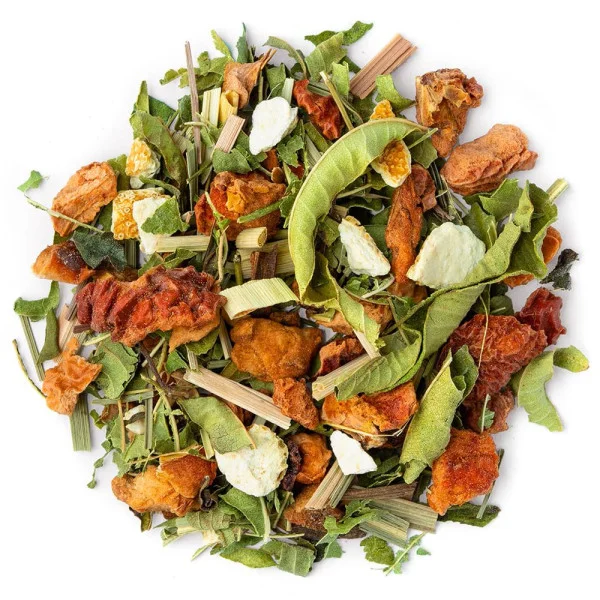
Mango coconut infusion, a journey to the tropics

Fruit infusion that can also be enjoyed as iced tea

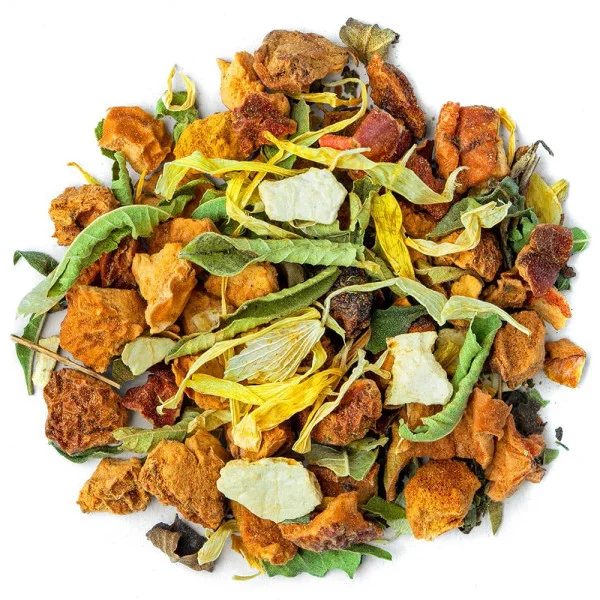
Perfect for those seeking a refreshing and soothing beverage

Soothing blend of fruits and plants, perfect for evening
French House
Independent since 2016.
Fast delivery
Home delivery or click & collect.
Made with heart
In the south of France.
Customer service
A real voice at the end of the line,
Monday to Friday: 04 22 91 35 75.
Sharing, passing it on: our teas, our tips, the occasional unexpected idea, and little attentions just for you. Pure pleasure, ready to steep.