 Green Tea


Organic
 Main Note:
Pure
Main Note:
Pure
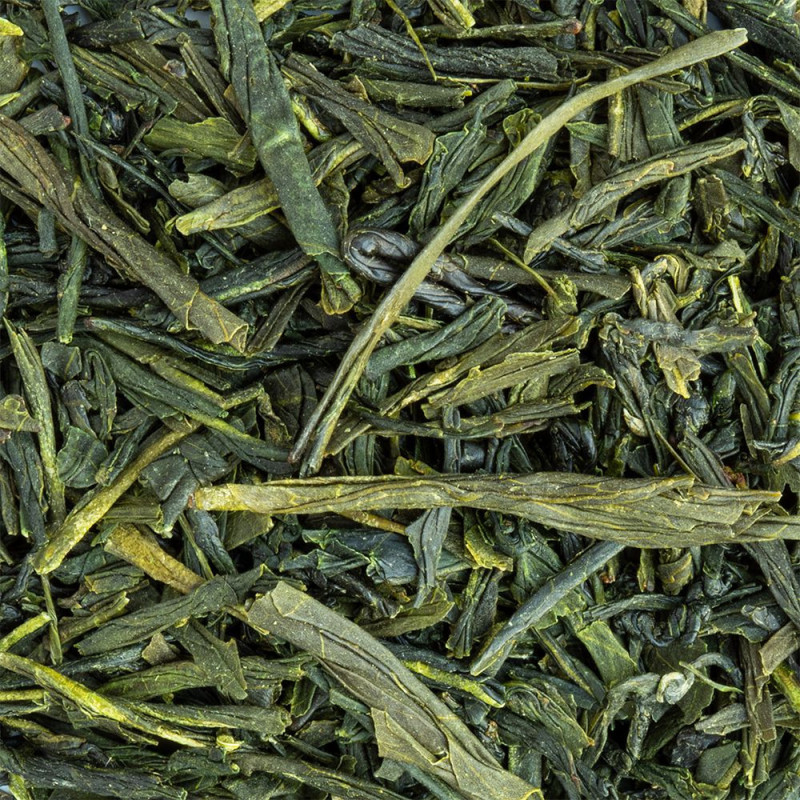
The Kabusecha Asuka green tea is an organic Japanese kabusecha, shade-grown halfway between sencha and gyokuro. Its deep green leaves yield a smooth, vegetal cup with a beautiful umami note. A delicate infusion to enjoy any time of day.
our expertise


In our workshop in Provence, each blend is handcrafted with passion by our team.
Real pieces of dried fruit, whole plants and carefully selected teas of origin.
Carefully crafted to create unforgettable tasting moments. A signature taste, an authentic experience.
At a glance: Organic Kabusecha Asuka from Japan, a shade-grown green tea with umami, vegetal and mellow notes. Brew: 12 g/L at 75°C for 2 min. Enjoyable any time of day.
Some teas are like haiku: all restraint, suggestion and balance. Kabusecha Asuka belongs to that rare family of Japanese green teas that reveal themselves slowly, rewarding patience with a cup of remarkable finesse.
We selected this organic harvest for its singular character: a green tea shade-grown in the great Japanese tradition, sitting precisely between the brightness of a Sencha and the velvety depth of a Gyokuro. A delicious in-between, perfect for exploring the world of shade-grown teas. Browse our other organic Japanese green teas to continue the journey.
The word kabusecha (かぶせ茶) literally means "covered tea." Before harvest, the tea plants are shielded from direct sunlight for one to two weeks using shade nets stretched over the Japanese plantations.
This technique, rooted in centuries of craftsmanship, transforms the leaf profoundly. Deprived of light, it develops more chlorophyll and concentrates the amino acids responsible for that characteristic umami note. The leaves turn a deeper, almost emerald green, and their bitterness gives way to a distinctive roundness.
Kabuse cha sits midway between Sencha (grown in full sun) and Gyokuro (shaded for nearly three weeks). Asuka is a harvest from Japanese gardens cultivated according to organic farming practices, where every leaf is picked with care to preserve its original freshness.
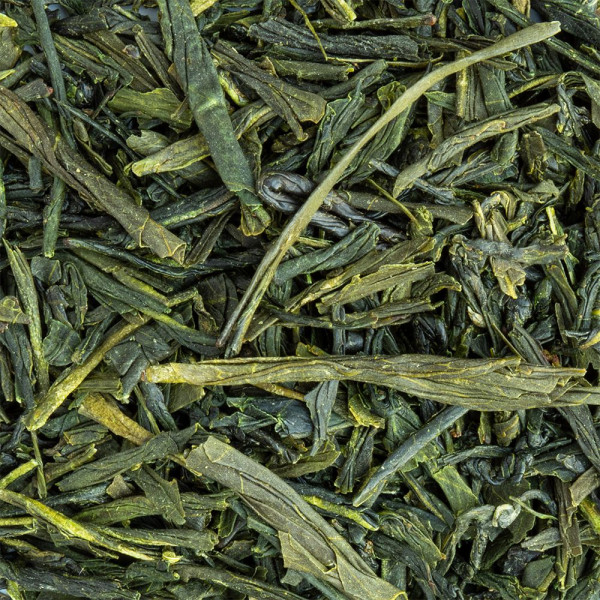
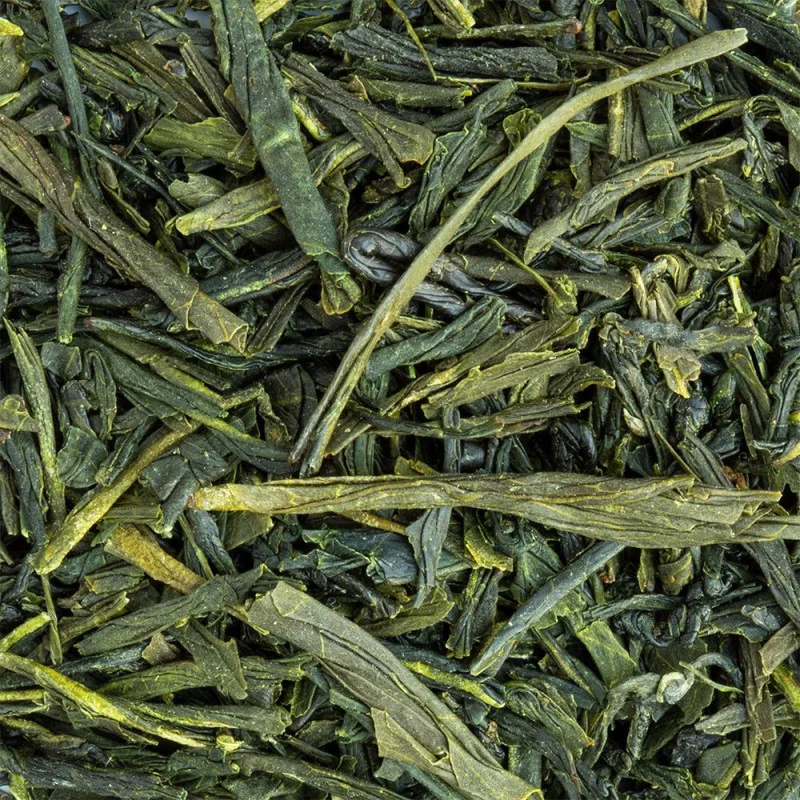
From the moment you open the pouch, the long, dark, twisted leaves release a fresh vegetal scent, evoking freshly cut grass on an early morning and a whisper of fine seaweed.
In the cup, the liquor takes on a luminous jade-green hue, almost opaline. The first sip surprises with its roundness: no harsh bitterness, just an enveloping softness carried by that lingering, mouth-watering umami signature, reminiscent of clear broth, young shoots, and occasionally a hint of fresh hazelnut.
The mid-palate reveals more forthright herbaceous notes, lightly spiced, supported by a delicate floral thread. The finish is long and clean, leaving a sensation of crystalline freshness and a very pure vegetal return.
This is an infusion that stands entirely on its own, with no added flavourings or artifice. For those who wish to explore more aromatic profiles, feel free to try our Earl Grey Sencha green tea or our Japanese Cherry selection.
Brewing a kabusecha calls for a gentle touch. Water that is too hot will scorch the amino acids and tip the cup toward bitterness. Water that is too cool, on the other hand, will not fully release its delicate aromas.
Our recommended parameters:
To reach 75°C without a thermometer, bring your water to a gentle simmer then let it rest for 4 to 5 minutes in a pouring vessel. A Japanese trick is to transfer the water from one container to another: each pour drops the temperature by around 10°C, allowing you to fine-tune with precision.
The leaves can handle two to three successive infusions. The second, shorter steep (45 seconds at 70°C) often reveals a more marine and mineral dimension. For a cold brew, use 20 g/L and steep in the refrigerator for 6 hours: the result is surprisingly smooth and sweet.
Kabusecha is a delicate tea, sensitive to light, moisture and strong odours. Keep it in its original tin or in an airtight, opaque container, away from heat and spices. Best enjoyed within twelve months of opening to preserve the full freshness of its umami aromas.
What is kabusecha?
Kabusecha is a Japanese green tea shade-grown for one to two weeks before harvest. This partial shading places it between Sencha (full sun) and Gyokuro (shaded for three weeks). It produces a smooth, round cup with a characteristic umami note.
How do I brew kabusecha?
Use 12 g of leaves per litre of water, at 75°C, for 2 minutes. Hotter water will make the liquor bitter. The leaves hold up to two or three successive infusions, each revealing a different aromatic facet.
What does kabusecha taste like?
Kabusecha produces a smooth, vegetal cup with a clear umami signature evoking light broth and young shoots. You'll find fresh herbaceous notes, a touch of fine seaweed, the occasional hint of hazelnut and a delicate floral finish.
What is the difference between kabusecha, Sencha and Gyokuro?
All three are Japanese green teas from the same plant, but their cultivation differs. Sencha grows in full sun and delivers a lively, herbaceous cup. Gyokuro is shaded for nearly three weeks, producing a very umami, velvety liquor. Kabusecha, shaded for one to two weeks, sits between the two: round, smooth and expressive.


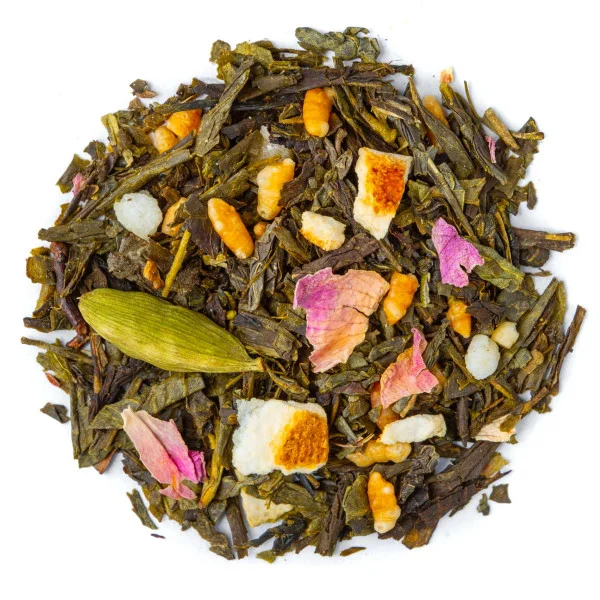
Sencha, pistachio, rose and cardamom for a Japanese moment

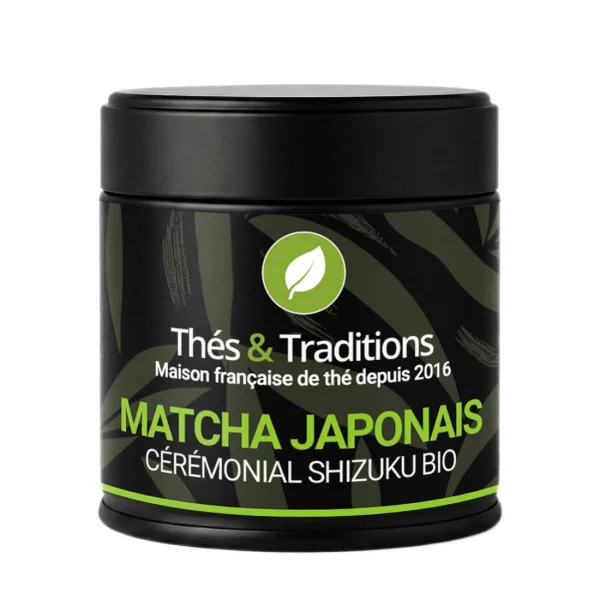
Discover the richness of Japanese Matcha tea.

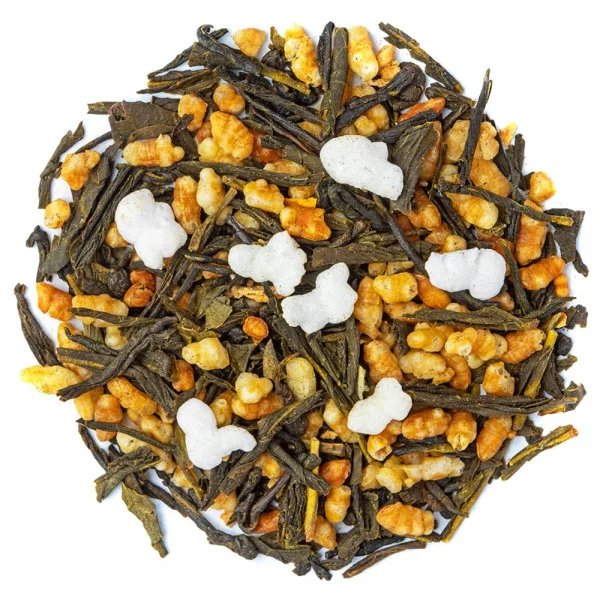
Chinese green tea renowned for its hazelnut flavor and fresh herbaceous notes
French House
Independent since 2016.
Fast delivery
Home delivery or click & collect.
Made with heart
In the south of France.
Customer service
A real voice at the end of the line,
Monday to Friday: 04 22 91 35 75.
Sharing, passing it on: our teas, our tips, the occasional unexpected idea, and little attentions just for you. Pure pleasure, ready to steep.