
Organic LOVE PICK
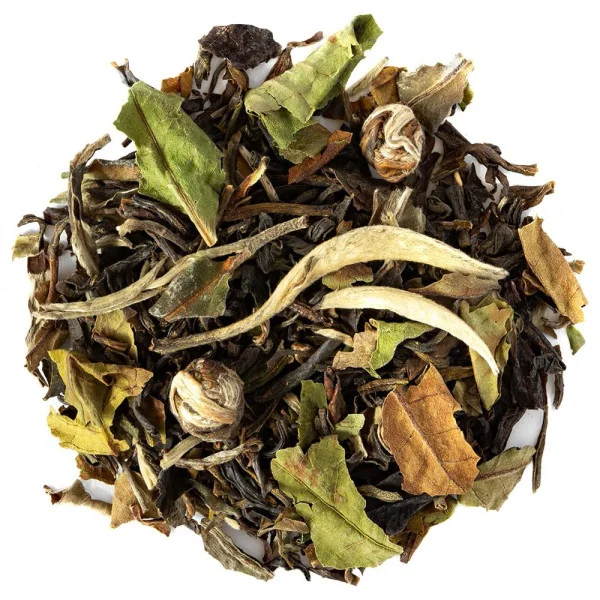
Imperial Jasmine
Exceptional jasmine tea with particularly floral notes
 Main Note:
Mint, Pomegranate
Main Note:
Mint, Pomegranate
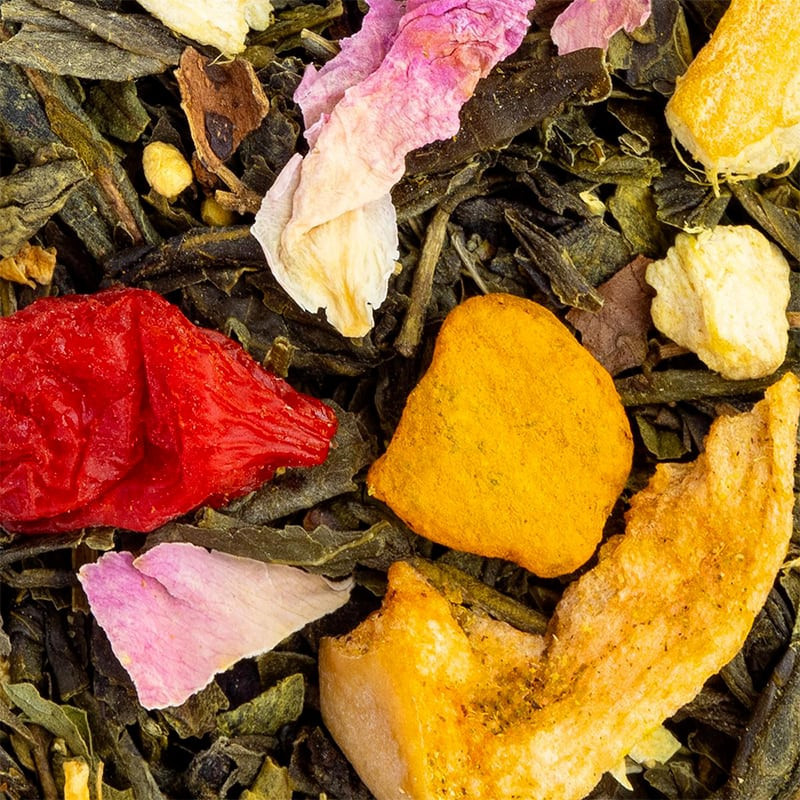
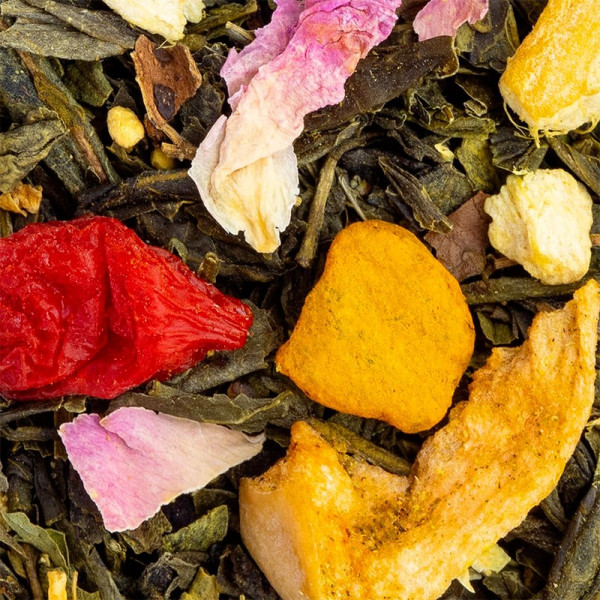
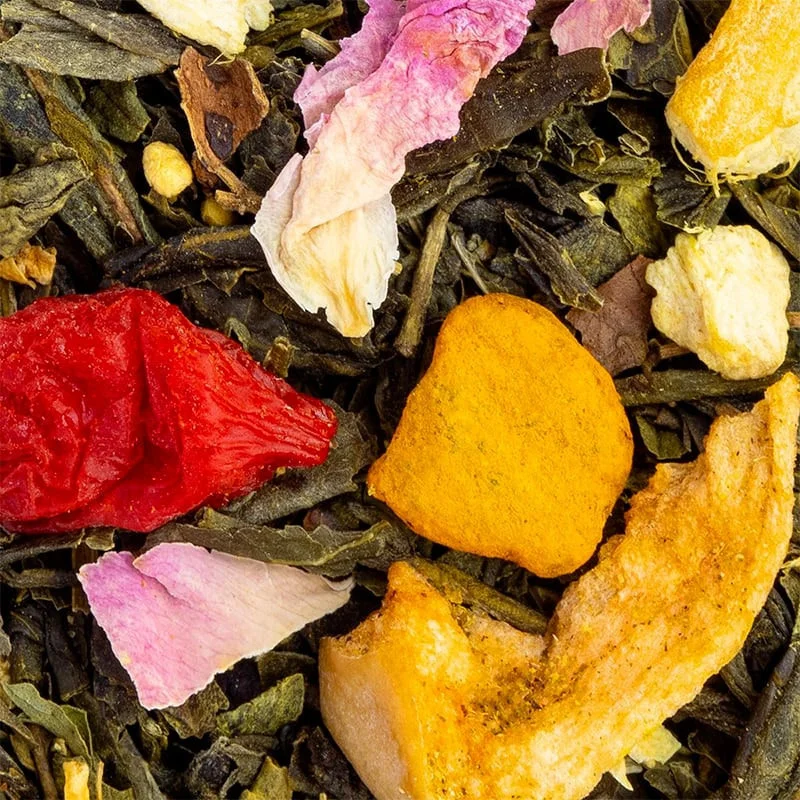
Our Beauty Secret green tea blends Sencha, pomegranate, mint and goji berries into a fresh, fruity and invigorating infusion. A beauty tea to savour in the morning, like a gentle detox ritual that cares for you from within.
our expertise


In our workshop in Provence, each blend is handcrafted with passion by our team.
Real pieces of dried fruit, whole plants and carefully selected teas of origin.
Carefully crafted to create unforgettable tasting moments. A signature taste, an authentic experience.
At a glance: a Beauty Secret green tea bursting with freshness, blended with pomegranate, mint, goji, ginger, turmeric and rose petals. Brew at 75-80°C, 2-3 min, 12-15 g/L.
Picture a bright, clear cup where cool mint meets the rounded fruitiness of pomegranate. Our green teas Beauty Secret is crafted as a gentle morning ritual, at the crossroads of sensory pleasure and quiet self-care.
Julien Huot, founder of Thés & Traditions, built this blend around a simple idea: beauty starts from within. A lively Sencha, berries rich in antioxidants, warm spices and a floral touch come together in a blend as elegant as it is invigorating.
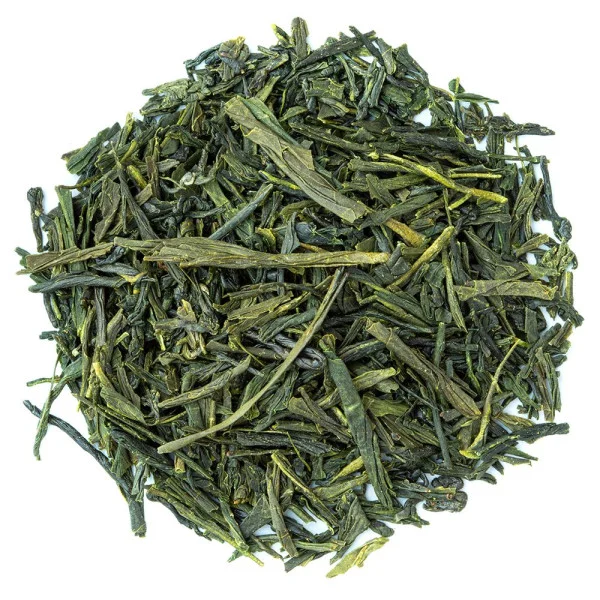
The first sip reveals Sencha's signature: freshly cut grass, a faint oceanic note, a noble bitterness that gives the cup its backbone. This is the foundation of the blend, a green tea celebrated for its liveliness and its wealth of polyphenols.
Mint follows quickly. Its cool, menthol freshness adds an almost tonic dimension, a bright breath that awakens the palate. It plays off the ginger, warmer in character, whose gentle heat brings depth to the heart of the tasting.
Then comes pomegranate, fruity and juicy, softening the whole with a pleasantly tangy roundness. Goji berries add a sweet note, almost like dried cherry, while turmeric diffuses its earthy, sun-kissed accents in the background.
Rose petals close the finish. Floral and delicate, they wrap the cup in quiet elegance, that perfumed breath that turns a simple infusion into a moment of contemplation. Explore our selection of green teas to continue this sensory journey.
The secret to a great Sencha lies in water temperature. Too hot and the leaves scorch, releasing an unpleasant bitterness. Too cool and the aromas never fully open. Aim for water between 75 and 80°C, the sweet spot for preserving the tea's delicate, vegetal character.
Use 12 to 15 grams of leaves per litre, roughly a heaped teaspoon for a 250 ml cup. Steep for 2 to 3 minutes, no longer: beyond that, the mint and ginger begin to dominate, masking the subtlety of the rose.
For the best experience, choose a glass or porcelain teapot that lets you admire the golden hue of the brew. Strain carefully and serve without sugar: the blend's natural fruitiness provides all the sweetness it needs.
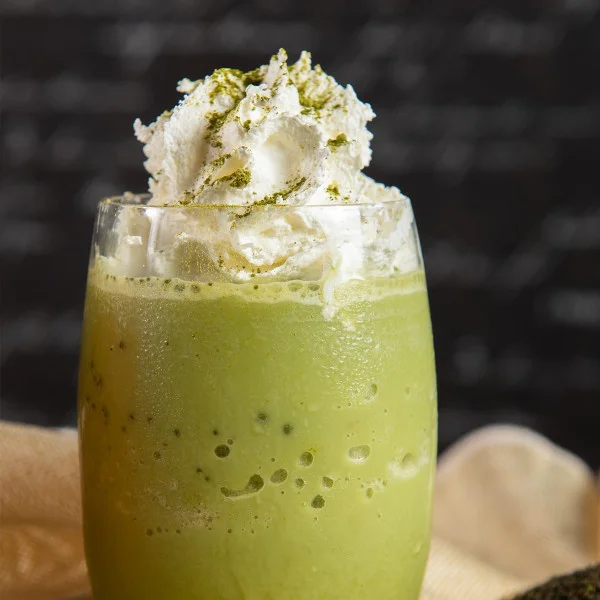
Served cold, this blend makes a wonderfully refreshing summer infusion. Cold-brew for 4 to 6 hours in the fridge (15 g/L), then serve with a slice of lime and a few fresh mint leaves. Try Beauty Secret as a cold brew for a cooling, beauty-inspired treat.
Green tea has long been studied for its richness in plant compounds, particularly catechins. The EFSA recognises that green tea consumption fits naturally within a varied and balanced diet, contributing to overall wellbeing.
Pomegranate and goji berries also provide polyphenols, whose antioxidant properties are documented in the scientific literature available on PubMed. These compounds help protect cells against oxidative stress, a factor involved in skin ageing.
Ginger and turmeric, traditional ingredients in Asian cuisines, are also recognised by the ANSES as part of a varied diet. They contribute to a sense of warmth and vitality, particularly welcome on cool mornings.
An effective beauty routine combines external care (creams, serums, toners) with healthy habits: sleep, hydration and a plant-rich diet. This tea fits naturally into that last dimension, as a small daily gesture of kindness to yourself. To explore further, read our guide on green tea.
This blend is best savoured in the morning or early afternoon. Its cool mint freshness wakes you gently, while the light caffeine from the Sencha offers a smooth lift, subtler and less abrupt than coffee.
If you are sensitive to caffeine, avoid drinking it too late in the day. For guidance on the best moments to enjoy green tea, When to drink green tea offers some useful reference points.
Looking for a more energising green tea with a slimming focus? our green tea and weight management guide offers a helpful comparative overview. And if you enjoy spiced notes, our ginseng ginger green tea makes a warmer alternative.
Store the leaves in an airtight tin, away from light, moisture and strong odours. Blended in our workshop, this tea keeps its full freshness for around 18 months when stored in the right conditions.
What are the benefits of green tea for skin?
Green tea is rich in polyphenols, particularly catechins, whose antioxidant properties are well documented. As part of a balanced diet, these compounds help protect cells against oxidative stress, a factor involved in skin ageing.
How can green tea be used in skincare?
Beyond drinking it, a cooled infusion can be used as a gentle toner, applied with a cotton pad to cleansed skin. Some homemade preparations also incorporate matcha powder into face masks. Always seek professional advice for sensitive skin types.
Is green tea suitable for sensitive skin?
Green tea is generally well tolerated, including as a topical application, thanks to its soothing compounds. For reactive skin, it is wise to patch-test first and to use a lightly brewed infusion, alongside your usual skincare routine.
Which ingredients pair well with green tea?
Mint brings freshness, ginger adds vitality, pomegranate and goji provide extra antioxidants, and rose contributes a calming floral note. Turmeric rounds out the profile with its sun-warmed tones. Our blend already brings all of these together for you.
How does green tea help with acne?
The catechins in green tea are the subject of ongoing research for their beneficial properties on skin. As a complement to a suitable skincare routine and dermatologist advice, incorporating green tea into your diet contributes to an overall approach to skin wellness.
Our information on the benefits of green tea and its compounds is based on recommendations from the EFSA and ANSES, and on the scientific literature available on PubMed. All claims are general in nature and apply within the context of a varied and balanced diet.

Exceptional jasmine tea with particularly floral notes

a unique creation with the comforting flavours of chocolate

Like Gyokuro, Kabusecha is a shade-grown tea

French House
Independent since 2016.
Fast delivery
Home delivery or click & collect.
Made with heart
In the south of France.
Customer service
A real voice at the end of the line,
Monday to Friday: 04 22 91 35 75.
Sharing, passing it on: our teas, our tips, the occasional unexpected idea, and little attentions just for you. Pure pleasure, ready to steep.