

The many virtues of fennel and its seeds
Fennel, or Foeniculum vulgare, belongs to the Apiaceae family. It is a perennial plant with a rounded bulb, long stems and broad, feathery leaves. Fennel produces fruits in the form of grey, ridged seeds. Native to the Mediterranean region, this wild plant has been enjoyed for centuries for its anise flavour and its medicinal virtues. Discover the benefits of fennel in all its forms.
Fennel, a plant that is good for your health
In the kitchen, the fennel bulb features in countless recipes. It can be eaten both raw and cooked: salads, sautéed vegetables, gratins and so much more. What is more, this plant with its lovely anise notes offers true benefits for the body. Here are the virtues of raw fennel.
Fennel: a wholesome, nutrient-rich vegetable
Eating raw fennel as part of your meals is a simple way to look after your health. To begin with, fennel is one of the most low-calorie foods available, with an average of 21 calories per 100 g. Fennel also contains very little sugar and no fat at all. Its fibre content is higher than that of many other vegetables and supports good digestive health. Adding the raw bulb to your cooking also lets you enjoy several other benefits of fennel.
- Fennel contains lignan, a polyphenol with antioxidant properties.
- The vegetable is rich in vitamin K1, which contributes to the maintenance of normal bones and to normal blood clotting.
- Fennel is also a source of potassium, which supports the normal functioning of the nervous, muscular and vascular systems.
- Fennel contains other vitamins, including vitamin C, B5, B6 and B9.
Fennel: properties and uses
The virtues of fennel go well beyond its nutritional qualities. The vegetable offers genuine benefits for well-being and belongs to the family of medicinal plants. It is known for its anti-inflammatory, antispasmodic and antioxidant properties. Consuming fennel for digestive discomfort remains its best-known traditional use. Thanks to these properties, fennel helps soothe bloating, colic, stomach aches and flatulence. It is also said to protect the liver and to have a diuretic and detoxifying effect. While no health claims are currently authorised, fennel has been studied for its potential benefits during the signs of menopause. Studies also suggest that fennel may have an effect on breast milk production. Fennel is also believed to support memory function and muscle relaxation.
The benefits of fennel seed infusion
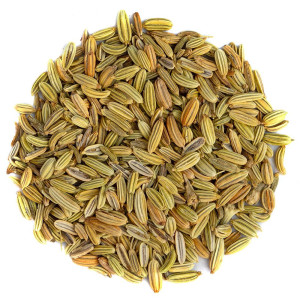
Cooking is one delicious way to enjoy this anise-scented vegetable. You can also benefit from fennel through its fruits. Fennel seed herbal tea is widely used in herbal medicine. After just a few minutes of infusion in hot water, the essential oils held within the seeds are released, offering a delicate, plant-fresh aroma. Inhaling and sipping the infusion then deliver welcome benefits for the body.
Fennel infusion for digestion
Sipping a herbal tea to ease digestive troubles is one of those classic grandmother's remedies. The practice is well established in herbal medicine. Colic, mild diarrhoea, flatulence, stomach aches: fennel seed infusion gently soothes everyday digestive discomforts. Make the most of fennel's virtues by enjoying a cup at the end of a heavy meal.
Fennel seed infusions for the respiratory tract
With seasonal vitamin gaps and fatigue, your immune system can grow weaker in winter. For colds or coughs, you can turn to fennel fruit infusions. They are thought to help the body defend itself and to clear the airways thanks to an expectorant effect. To make the most of these benefits, do not hesitate to breathe in the aroma released by the essential oils for a few minutes.
Using fennel infusion for inflammation
Among the virtues of fennel herbal tea, we find anti-inflammatory properties. The infusion is thought to support muscle relaxation and to ease aches and pains. Studies show effects on uterine cramps and discomfort during the menstrual cycle. In men, fennel seed infusion is said to soothe the pain caused by a scrotal hernia.
Tips for a successful fennel infusion
To enjoy the full benefits of fennel for your health, a few simple recommendations are worth following. Here is our advice for preparing your infusions.
- Choose fennel seeds from organic farming.
- To truly feel the benefits of fennel, you should consume at least 4.5 grams of fennel per day in infusion.
- The maximum daily dose of fennel seeds in infusion is 7.5 grams.
- For herbal use, particularly for digestive issues, it is recommended to drink 3 infusions a day, that is 2.5 grams of organic product per cup.
- Fennel seeds should be infused for 15 minutes in boiling water, so that the beneficial properties can be fully released.
With its distinctive anise flavour, fennel is well worth a place at your table. Enjoy this vegetable as part of your meals or turn to its fruits for a fragrant infusion. Discover our organic fennel herbal tea and all its virtues. Would you love to enjoy the benefits of fennel but you are not particularly fond of anise? Many infusion blends weave the seeds of this characterful vegetable into more subtle, balanced recipes.
Our teas related to this article
Also worth discovering
-
Our Autumn Herbal Teas to Discover
As winter approaches, nothing soothes quite like a comforting herbal tea. Plants such as sage and verbena, alongside…
Read -
Ayurveda: 8 Rituals to Care for Yourself This Winter
Ayurveda is a traditional Indian system of medicine that balances the doshas to preserve health. In winter, simple…
Read -
Herbal Infusions and Their Winter Benefits
Winter brings cold weather, fatigue and lingering colds, along with rich meals that can weigh on digestion. To care…
Read