Green Tea Antioxidants: Health Benefits
Tea originates from China and is the second most consumed beverage in the world, after water. Brewing the leaves of Camellia sinensis offers many health benefits, largely thanks to its antioxidant content, including polyphenols. Among the different types of tea, green tea leaves and matcha powder contain the highest concentrations. A growing body of research has explored the effects of green tea antioxidants. Here is what the studies reveal.
Green Tea: A Drink with Many Virtues

To understand the health benefits of green tea, it helps to look at how it is produced and what it contains.
How Are Green Tea Leaves Made?
All teas come from the Camellia sinensis plant, but they differ in how they are processed. To produce green tea, the leaves are heated shortly after harvest. This stops oxidation and preserves their antioxidant content. In China, the leaves are pan-fired in metal vessels. In Japan, they are steamed, as with Sencha tea leaves.
What Antioxidants Does Green Tea Contain?
Once dried, Camellia sinensis leaves contain up to one third antioxidants. The main ones are polyphenols, found notably in plant-based foods. Catechins form a subgroup of polyphenols, and the most abundant catechin is epigallocatechin gallate, or EGCG. Green tea contains more of it than black tea, white tea or Oolong.
Vitamins, Caffeine and Other Beneficial Components
Beyond antioxidants, green tea contains other noteworthy elements:
- 3 to 4% amino acids, including L-theanine;
- 2 to 4% caffeine, less than in black tea;
- vitamins, including vitamin C.
The Effects of Tea Antioxidants on the Body
The antioxidant molecules in green tea offer a wide range of health benefits. Here is a closer look.
Green Tea Against Cellular Oxidation
Free radicals constantly attack our cells, putting the body under ongoing oxidative stress. To counter this, the body relies on antioxidants such as polyphenols and vitamin C, found in various foods, which is why diet quality matters. Drinking green tea regularly provides an additional supply of catechins.
Can Green Tea Support Weight Loss?
Tea is often associated with weight management, but do green tea antioxidants actually help you lose weight? The answer is nuanced. The caffeine and EGCG in green tea stimulate thermogenesis and encourage fat burning. That said, studies show that without an appropriate diet, green tea alone has limited impact on weight loss. To benefit from the slimming properties of tea's compounds, a healthy lifestyle needs to come first.
The Effect of Antioxidant Tea on Disease
The antioxidant effects of green tea may help limit the onset or progression of certain conditions.
Tea's Properties and Cardiovascular Health
A significant body of scientific research has focused on the antioxidant properties of tea and cardiovascular health. Both green and black tea infusions are rich in antioxidant molecules, and these compounds may help lower cholesterol levels. EGCG, the most potent antioxidant in green tea, may also have an effect on high blood pressure.
Research on Green Tea and Cancer
Several studies have attempted to show that drinking green tea could help prevent cancer. For now, the findings are mixed. While some research suggests that the antioxidant activity of green tea may have a preventive role, other studies find no benefit against the development of the disease. This claim should therefore be approached with caution.
The Effects of Polyphenols on Brain Health
Green tea catechins work throughout the body to combat cellular oxidation, including in nerve cells. They therefore help maintain brain and neurological health. Through their antioxidant action and caffeine content, green tea supports concentration and learning ability. These compounds also contribute to preserving memory.
Other Benefits of Green Tea Antioxidants
Green tea antioxidants, along with its other components, offer additional health advantages.
- Catechins help combat dental plaque, while fluoride strengthens tooth enamel.
- Recent research is exploring the benefits of green tea antioxidants for eye health.
- L-theanine helps reduce stress.
- Drinking tea contributes to daily water intake, which is essential for overall health.
Choosing Quality Green Tea for Antioxidant-Rich Infusions

Choose quality green tea to avoid pesticides, lead or other pollutants ending up in your cup. Opt for loose-leaf tea over tea bags. Whole leaves better retain their antioxidant potency. Always brew your green tea according to the recommended guidelines, paying attention to the suggested quantity, water temperature and steeping time. With their wide-ranging effects on health, green tea antioxidants still have much to offer. Enjoy the benefits of green tea by ordering a Chinese Sencha or Japanese matcha from our site. You will also find Indian black tea, white tea, Oolong and even coffee.
Also worth discovering
-
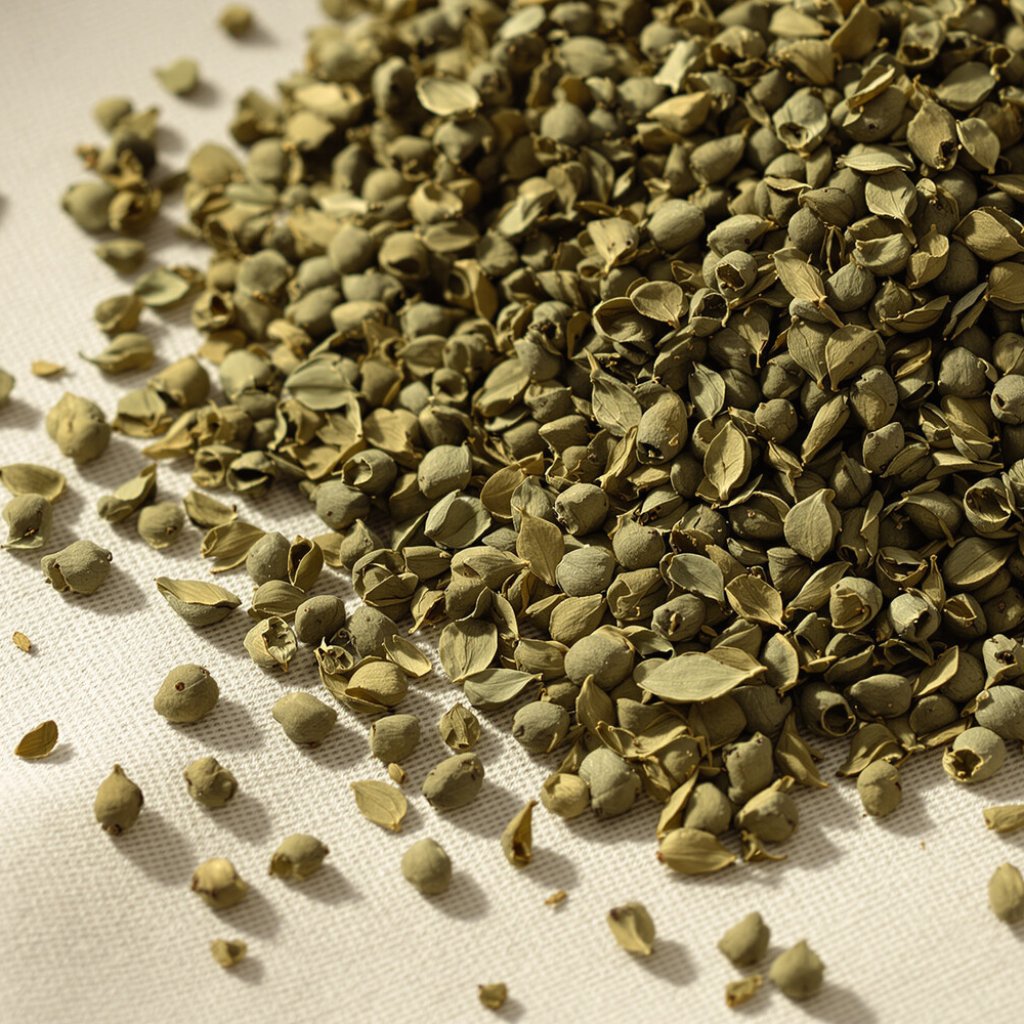
Gunpowder: the Iconic Chinese Green Tea with Intense Character
Gunpowder is the iconic Chinese green tea hand-rolled into compact pearls, the traditional base of Moroccan mint tea.…
Read -

Jasmine Tea: Buying Guide, Benefits and Pairings
Jasmine tea: fragrant and refined since the Song dynasty. Explore the varieties (green tea, pearls, black tea), the…
Read -
Hojicha, Genmaicha and Gyokuro: 3 Japanese Green Teas
Japan offers a remarkable variety of refined teas, from Sencha and Matcha to Hojicha (roasted tea) and Genmaicha (rice…
Read